
Click on the gallery pictures for a larger view.
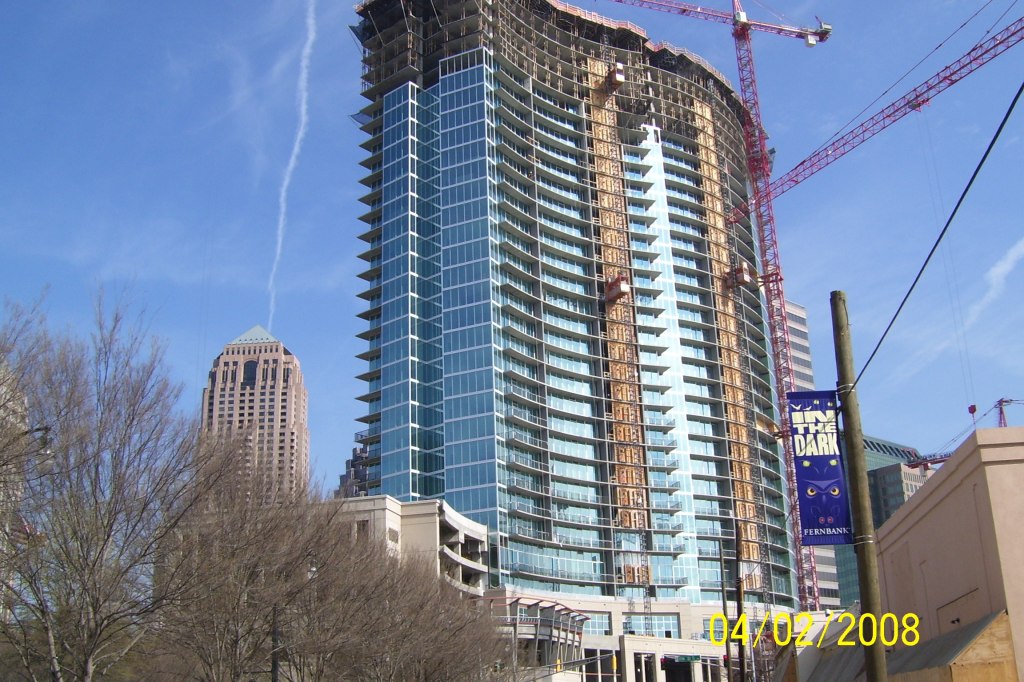
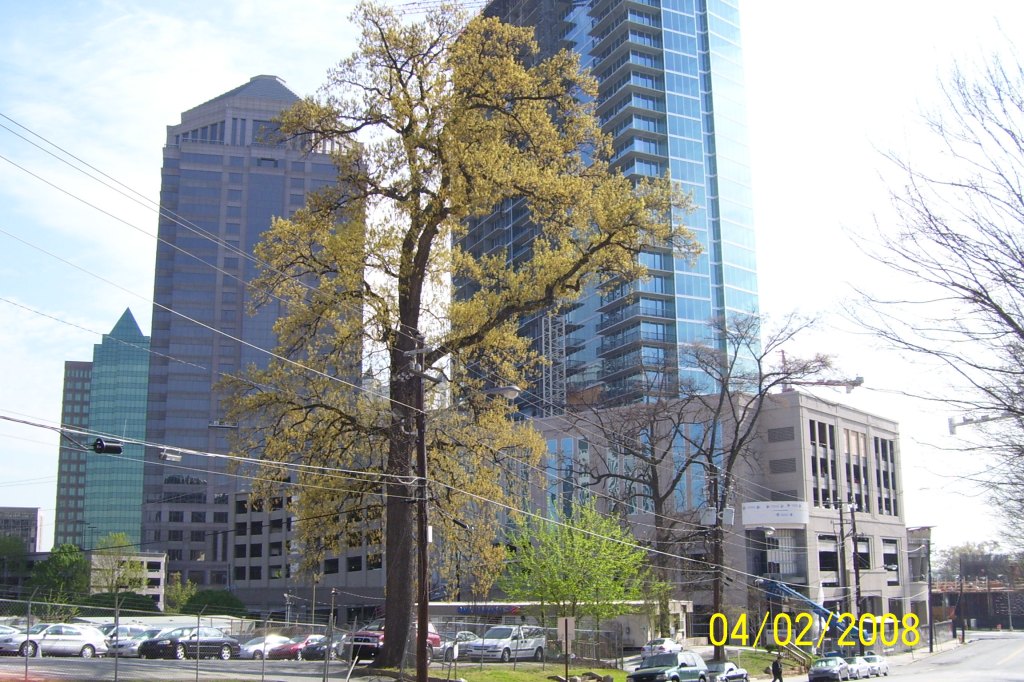
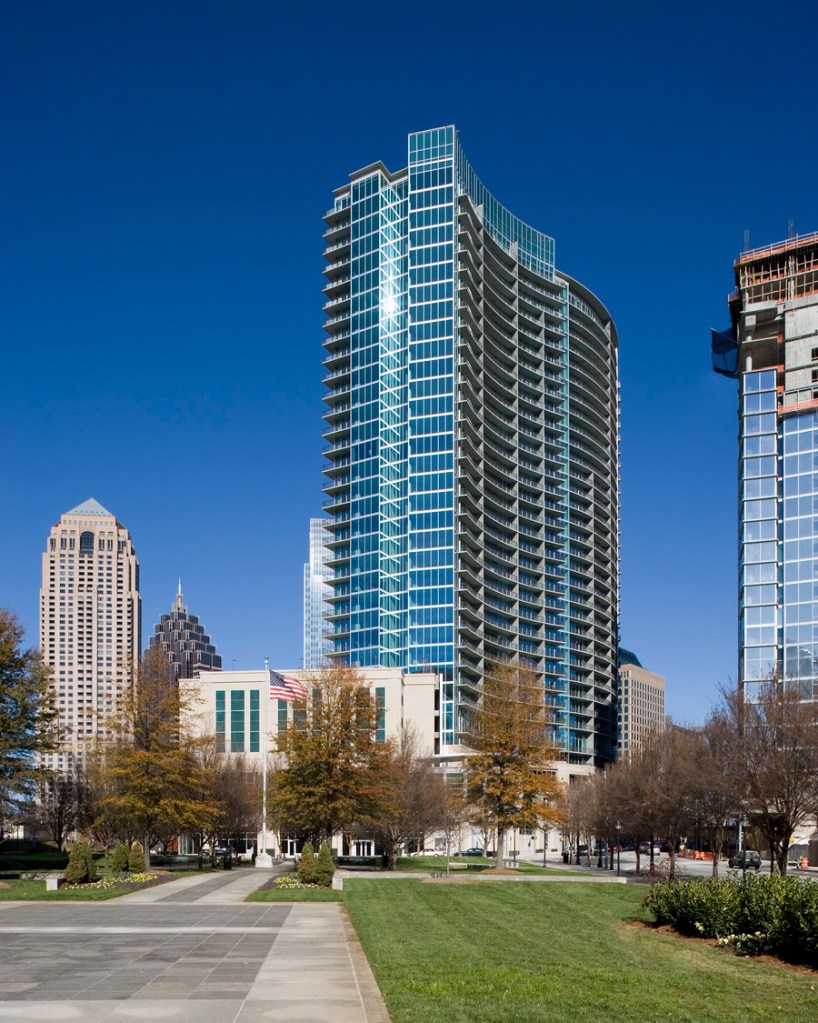
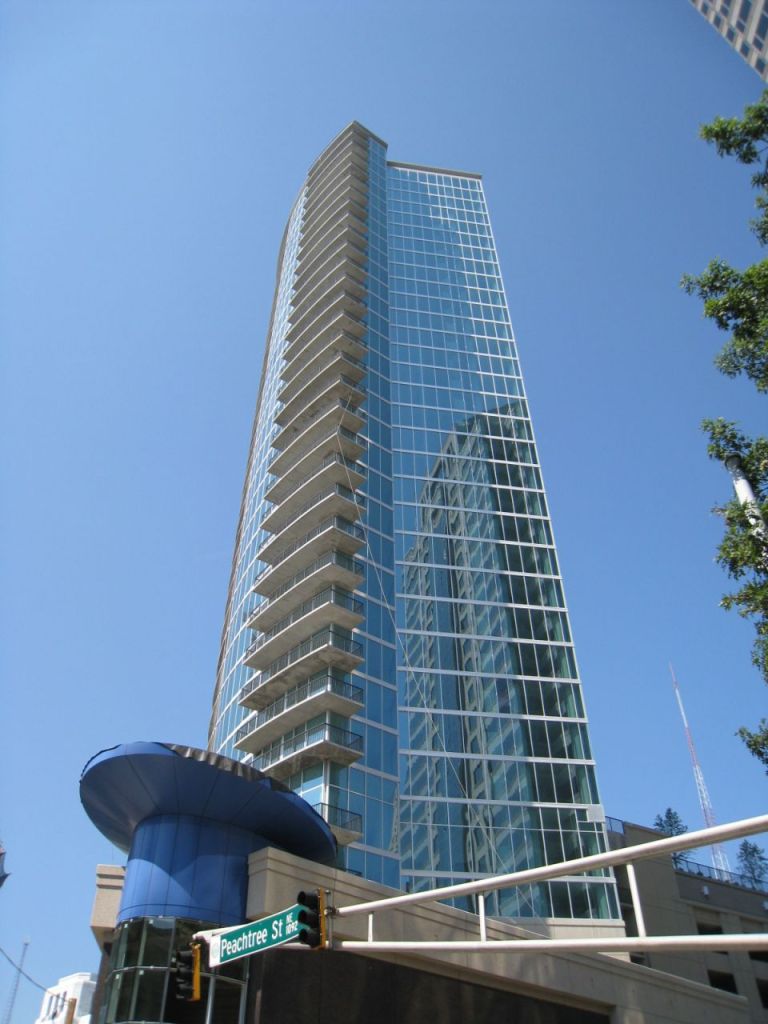
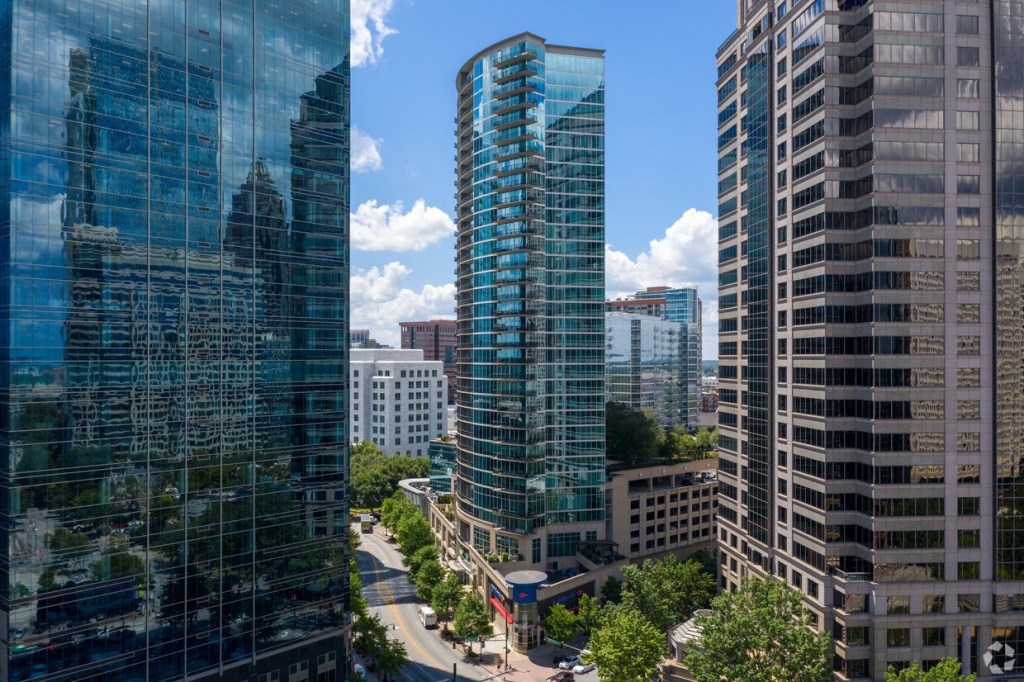
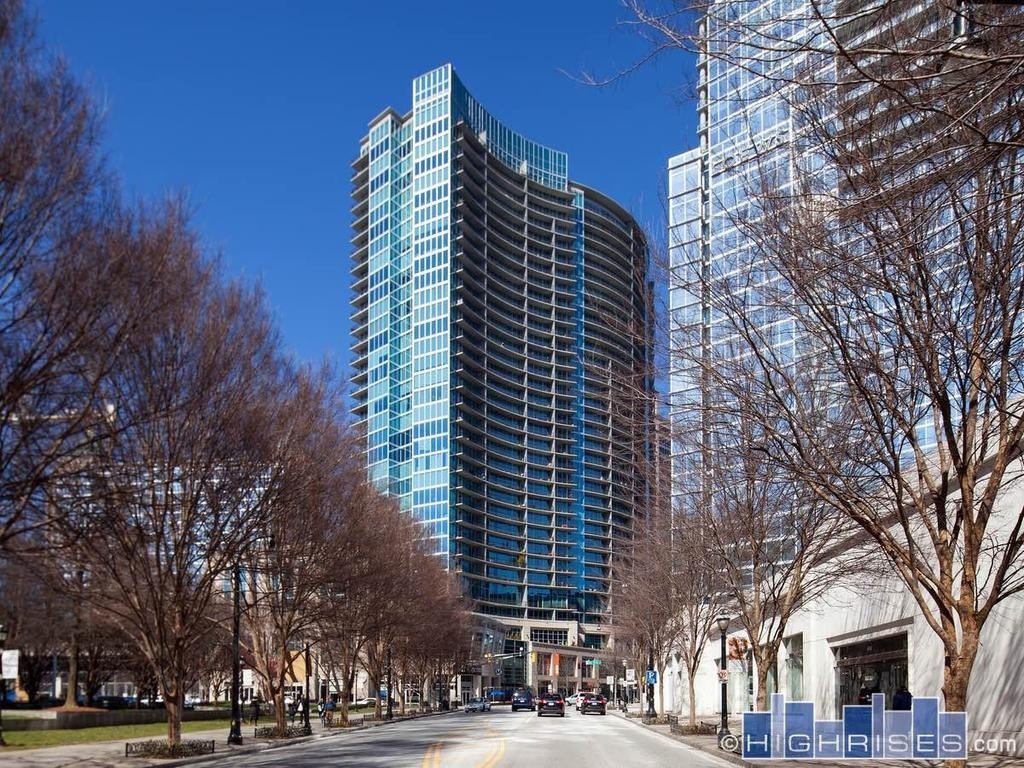
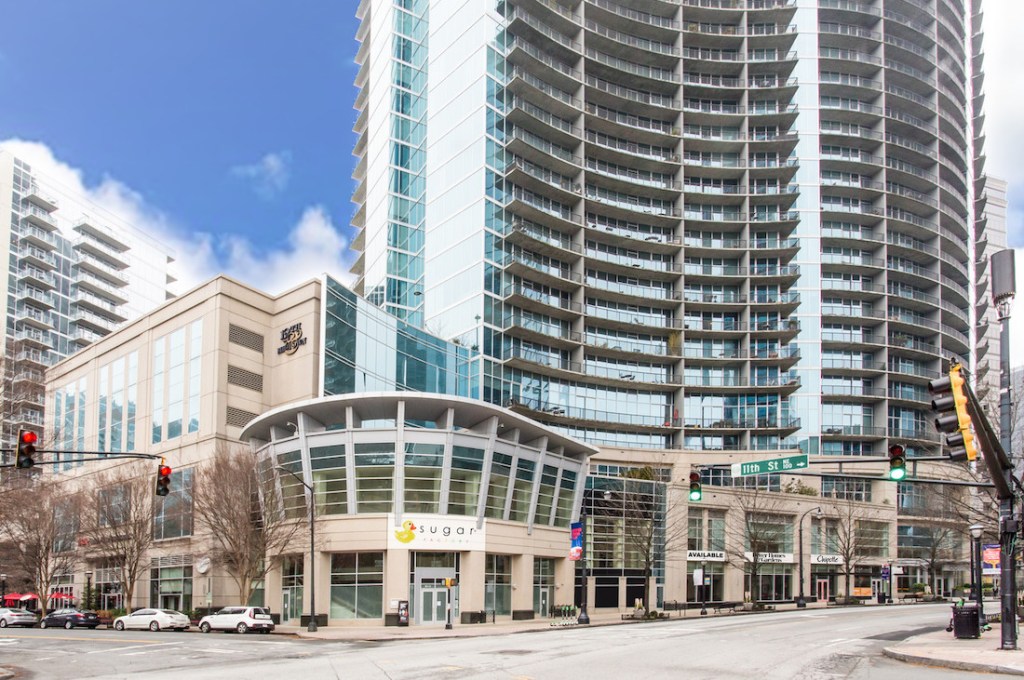
1010 Midtown is a 35 story mixed use high rise with 433 condominium units on the upper floors and retail space at street level. It is in the heart of Midtown Atlanta on Peachtree Street. These are just some of the many pictures that I took during the 1010 Midtown project between 2006 and 2008.
I was the lead plumbing superintendent on this $6.5 million plumbing project. There were several other foremen that were very helpful in completing this job successfully.
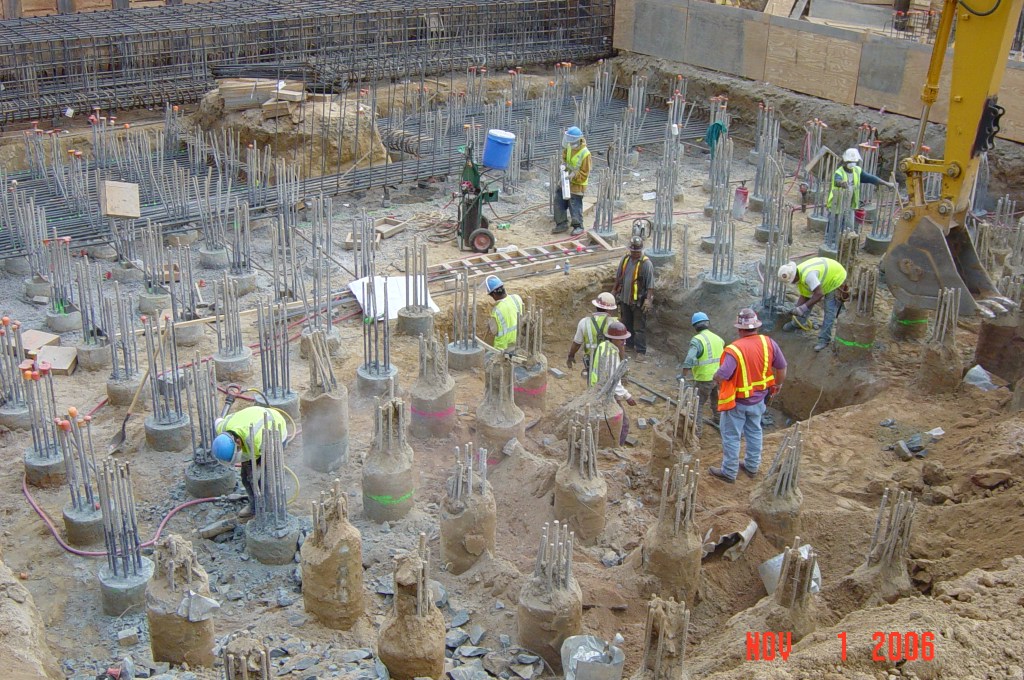
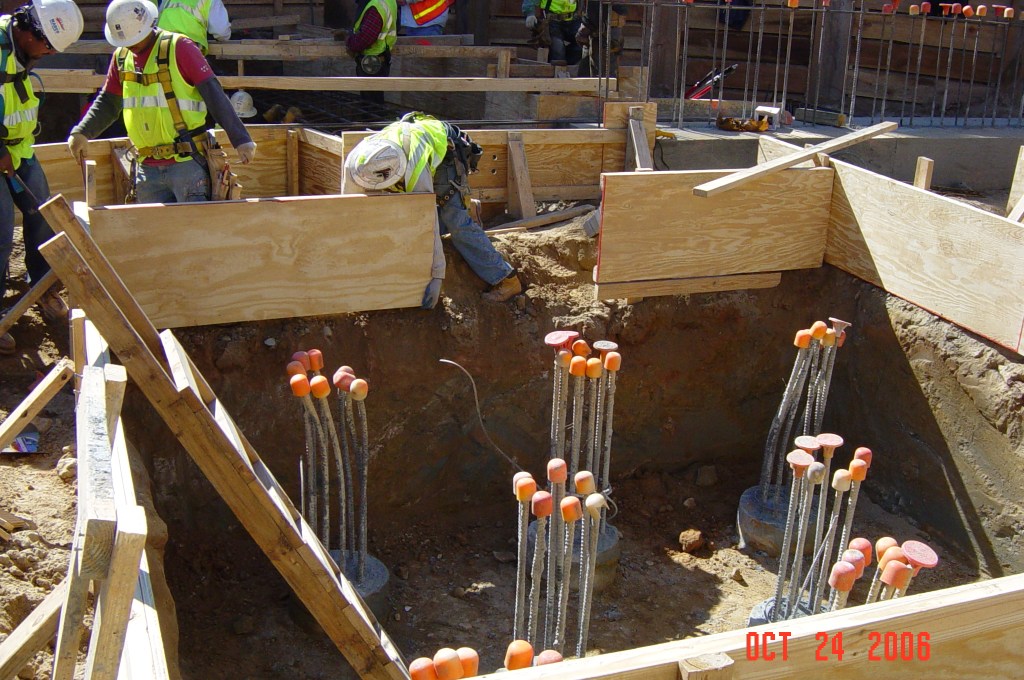
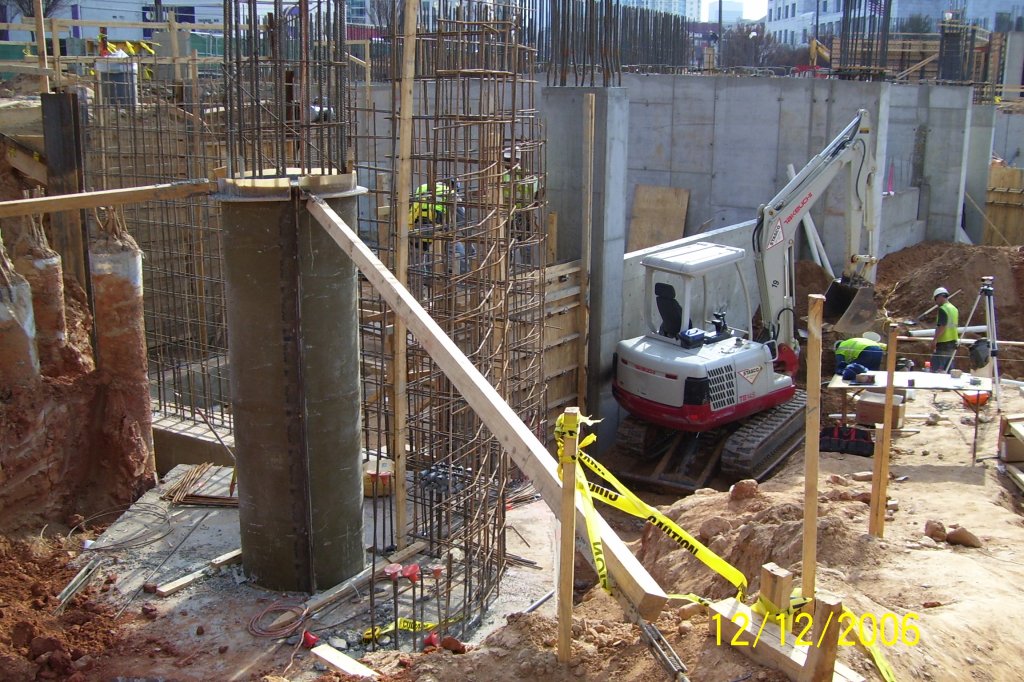
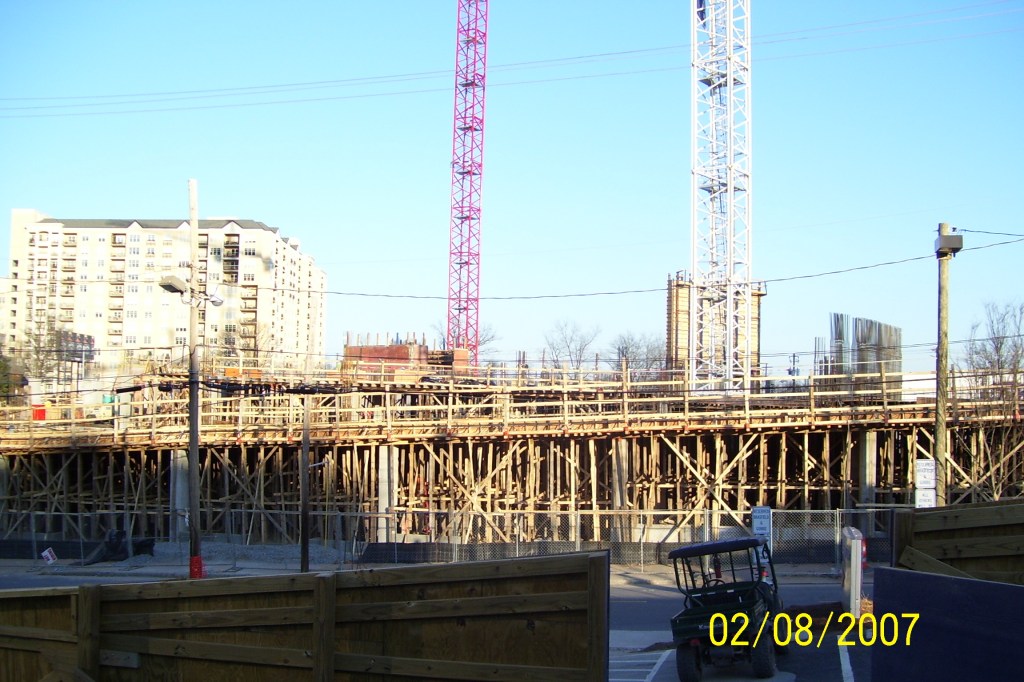
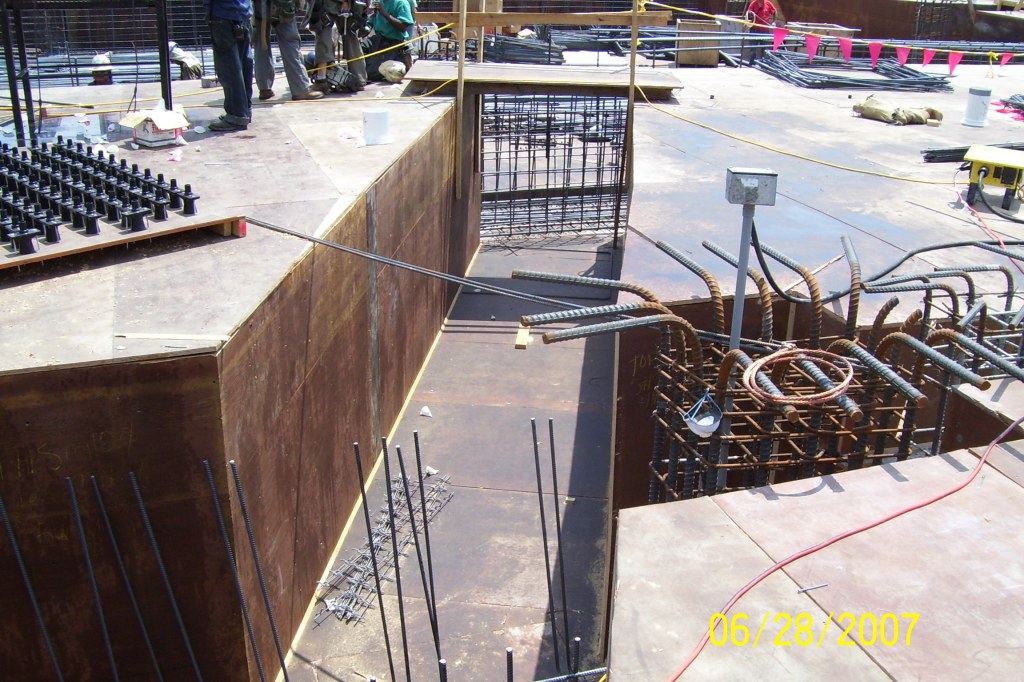
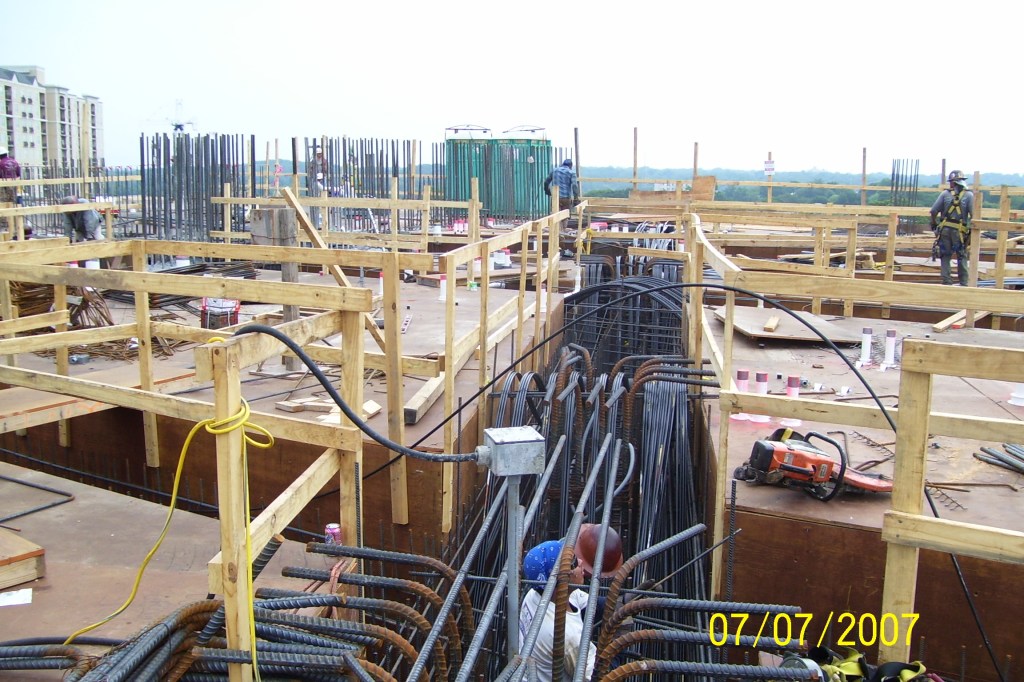
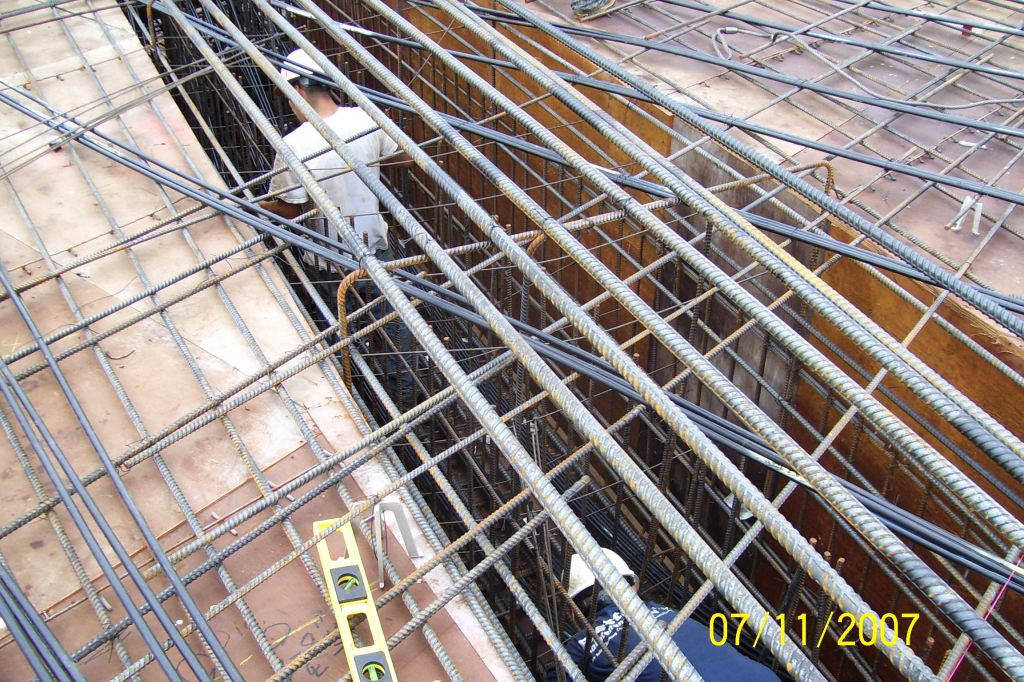
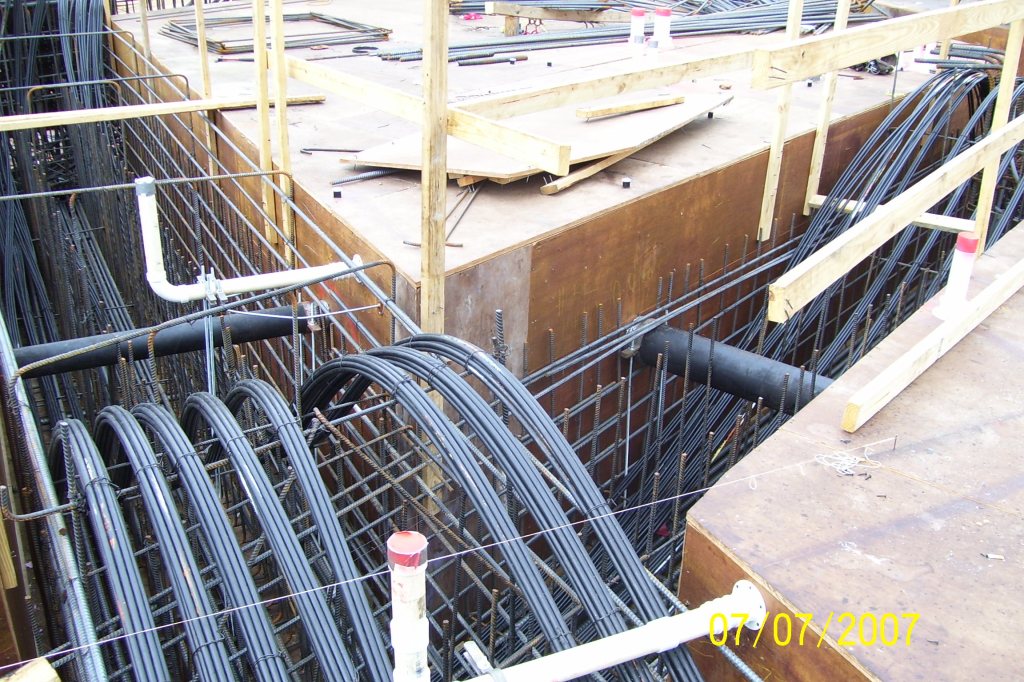
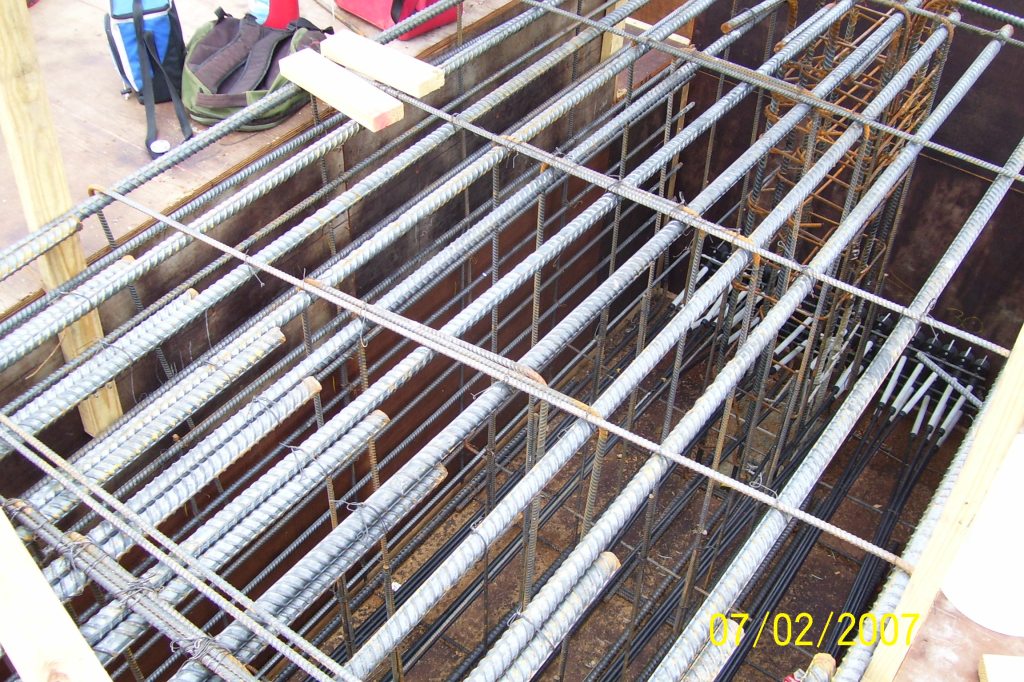
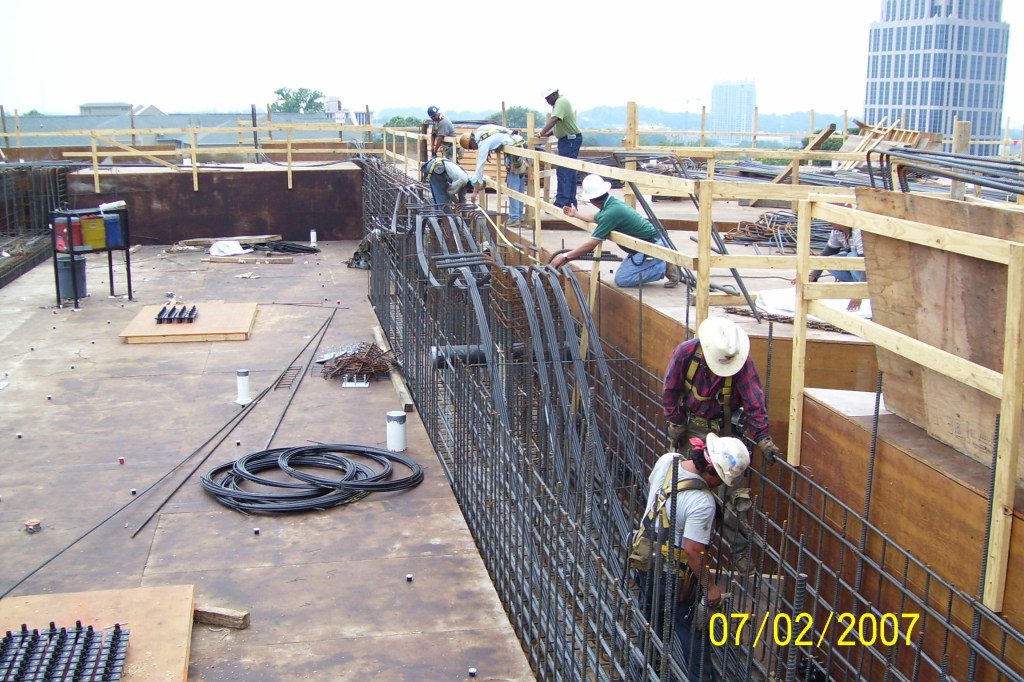
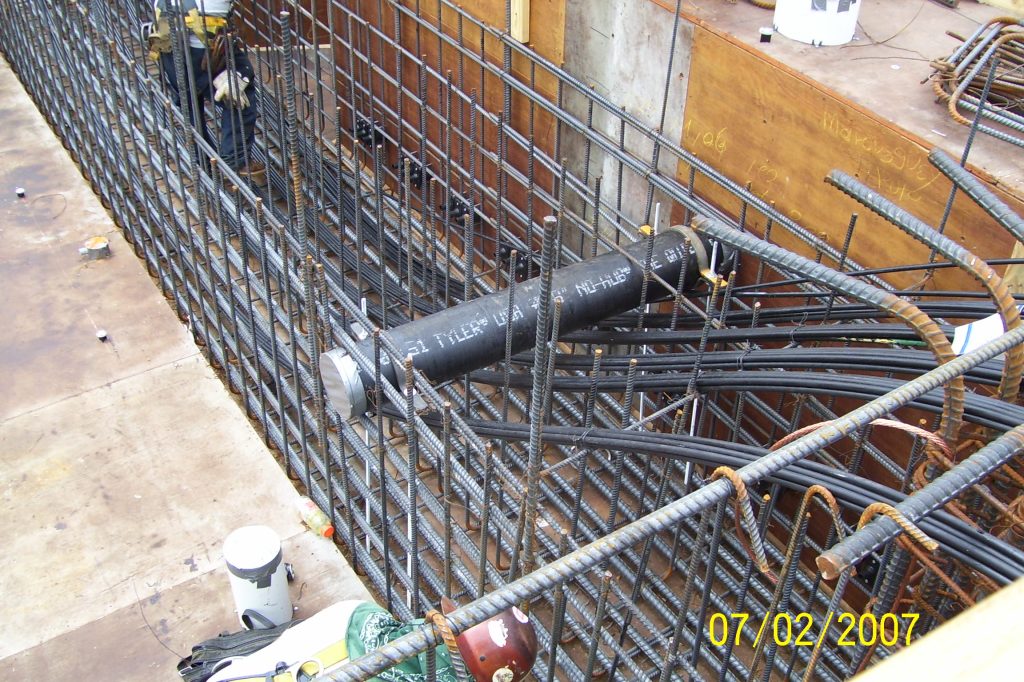
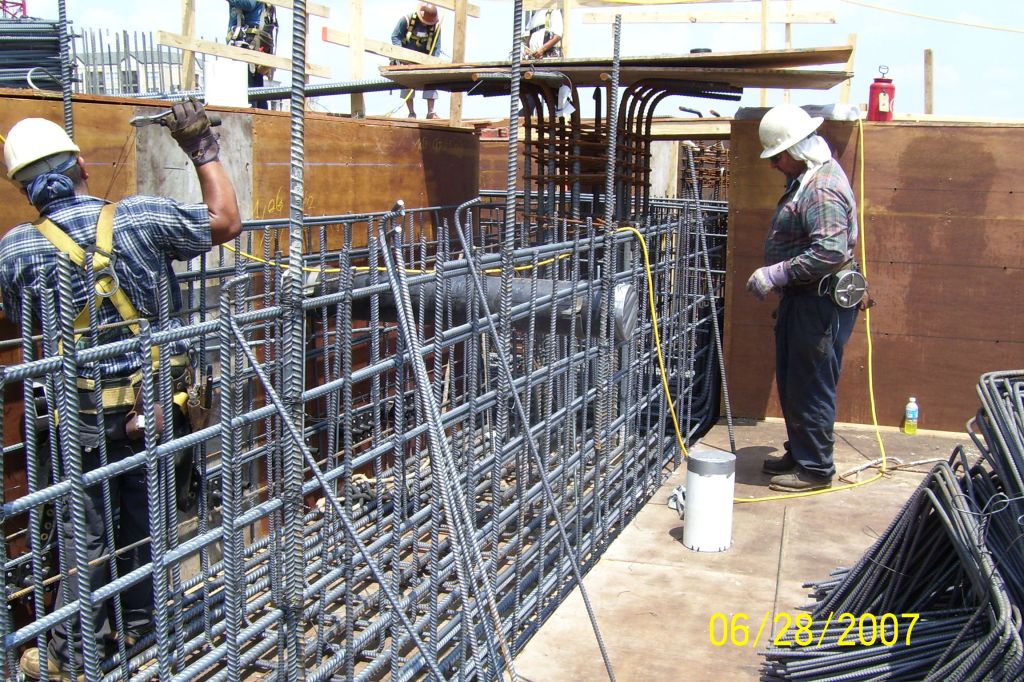
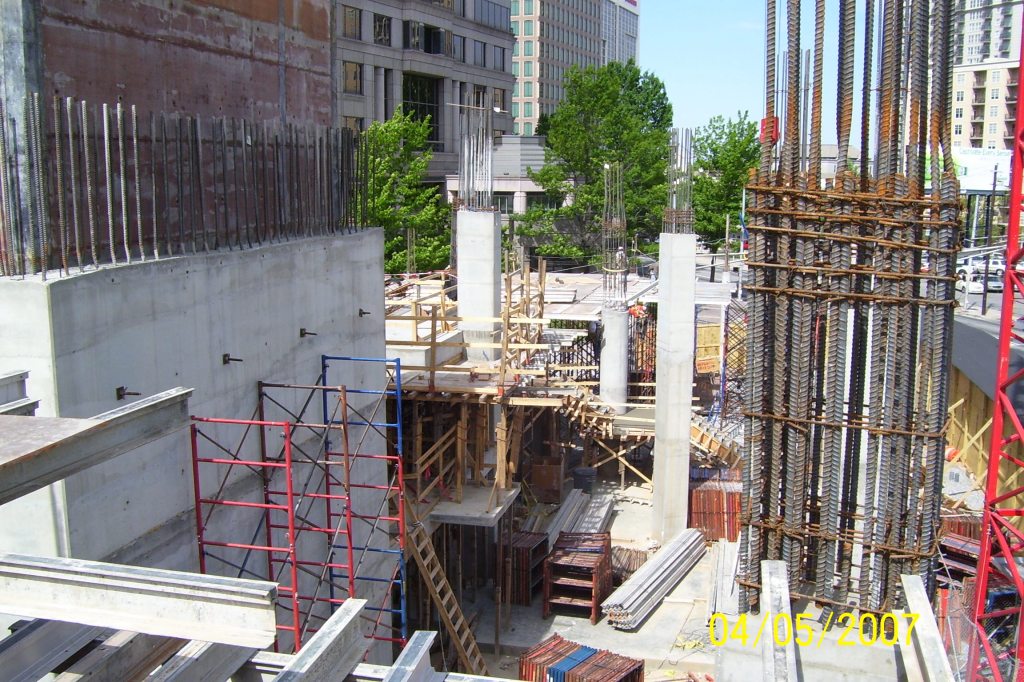
It was amazing to see how much concrete and steel went into the pile caps. This is in the elevator area:
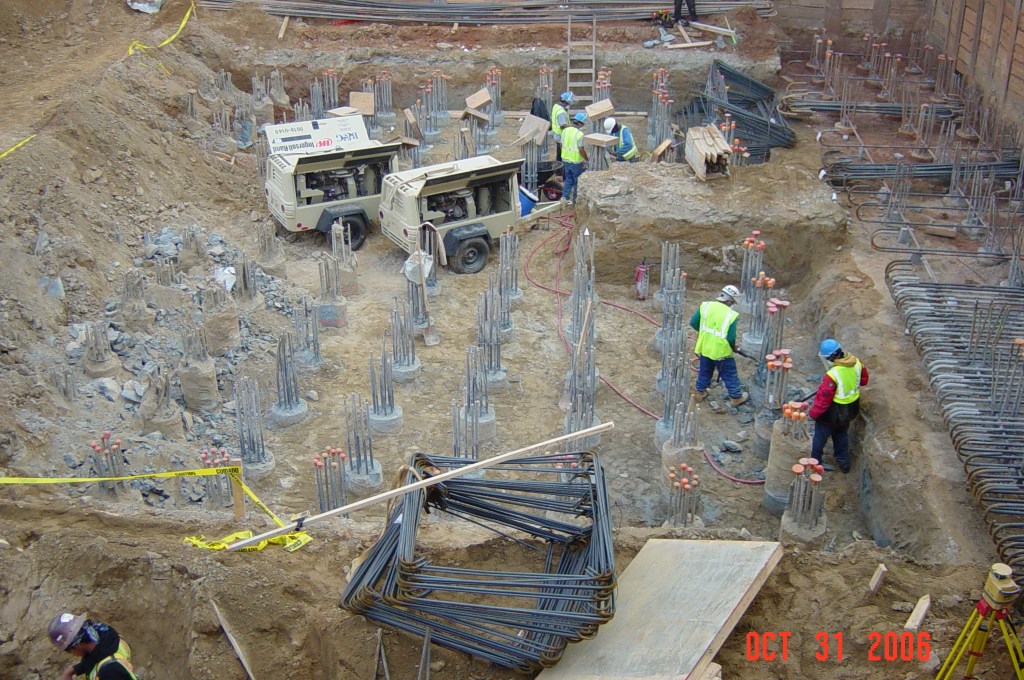
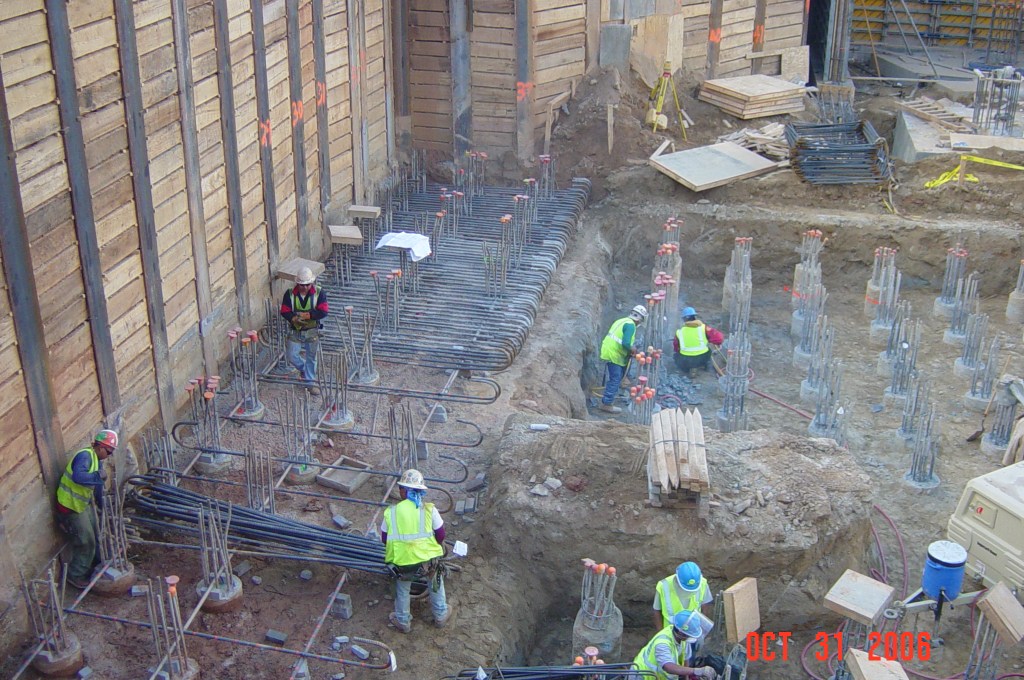
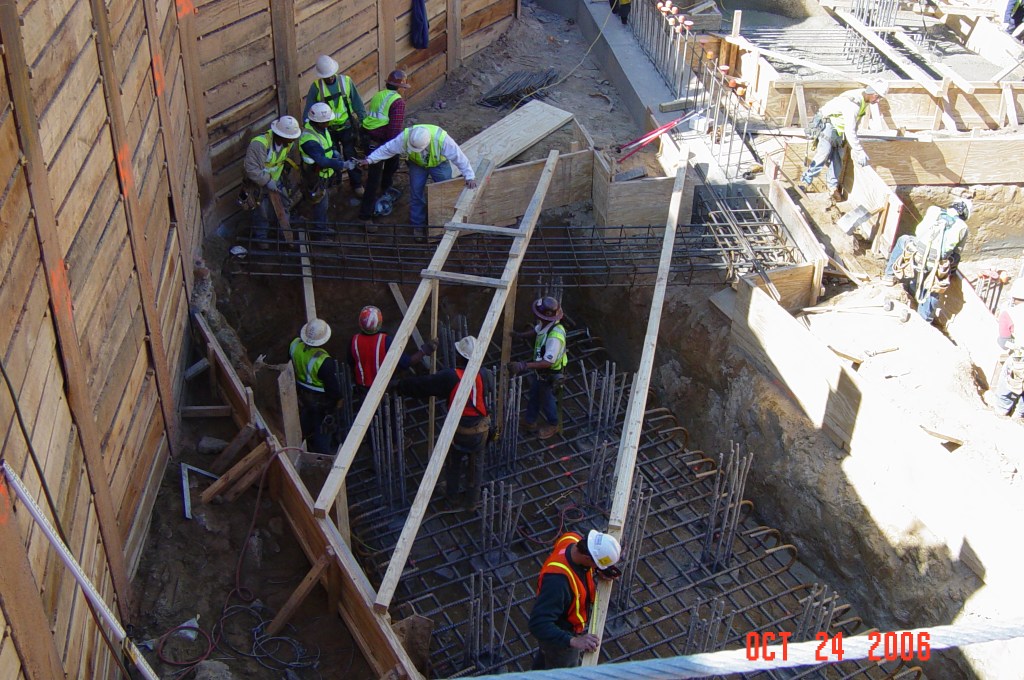
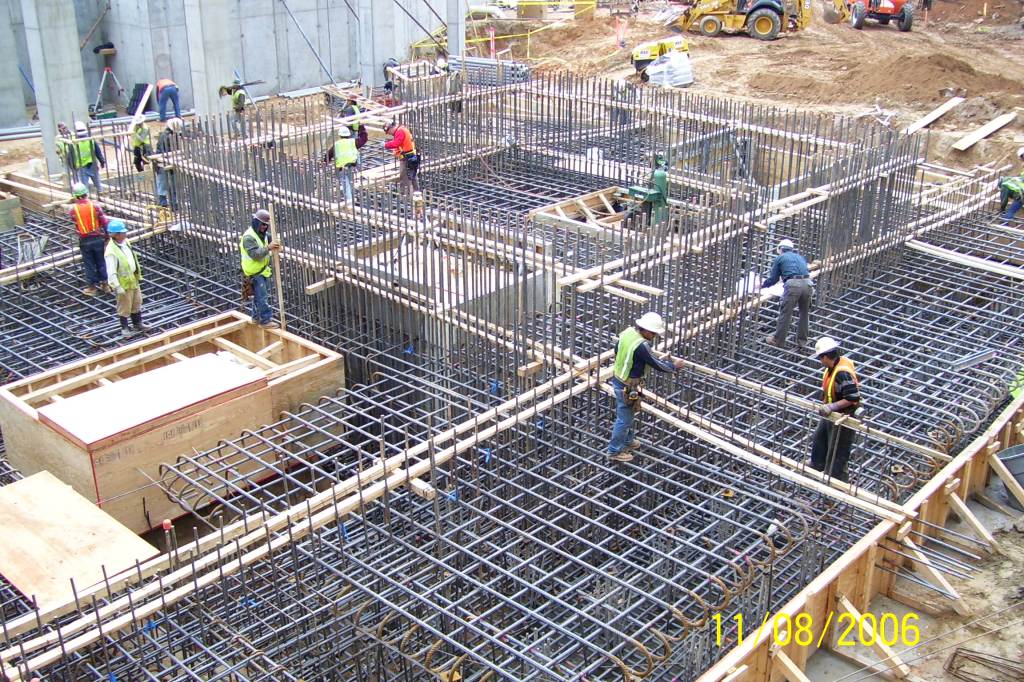
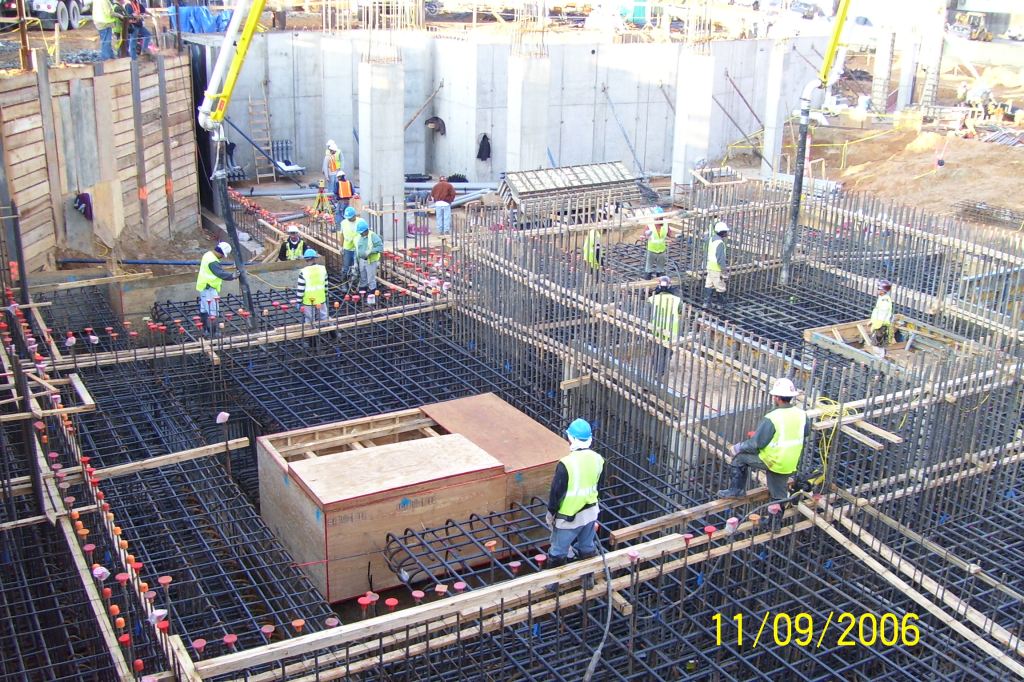
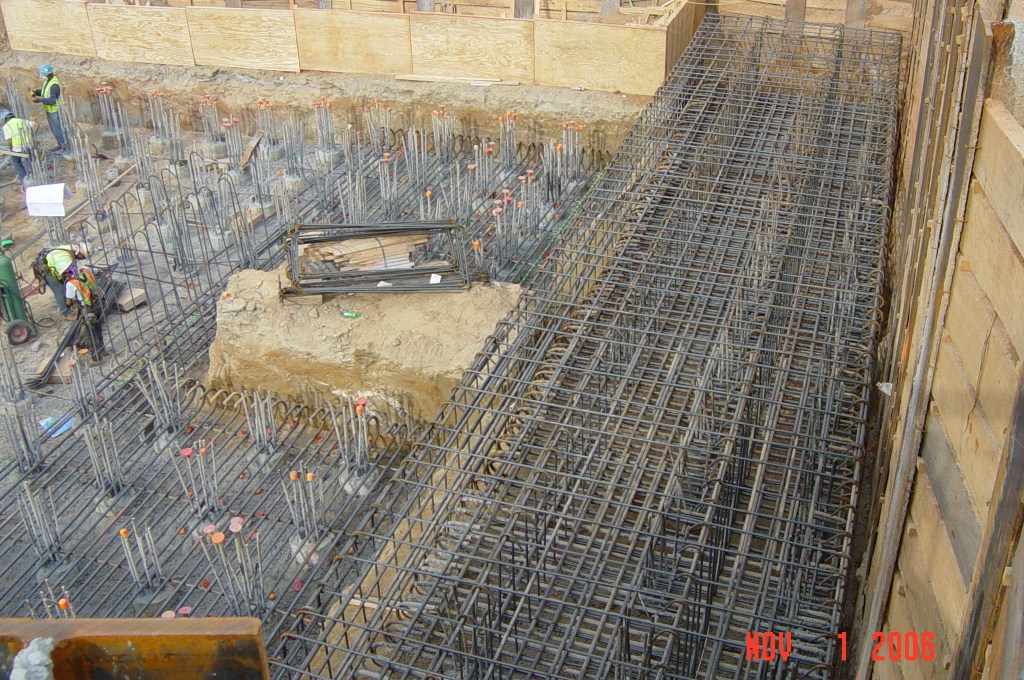
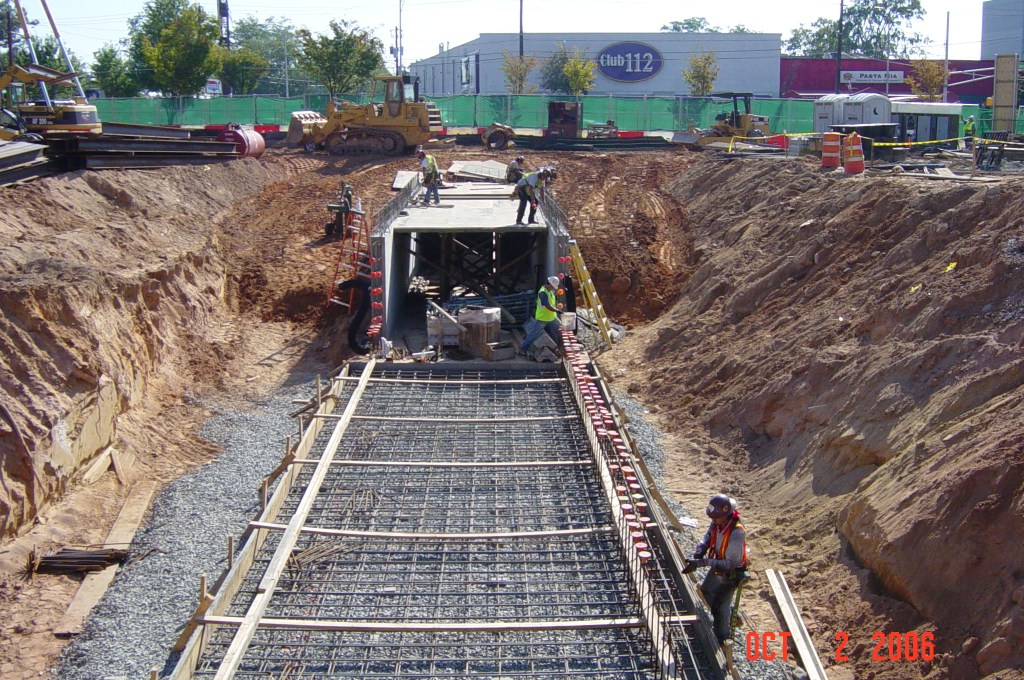
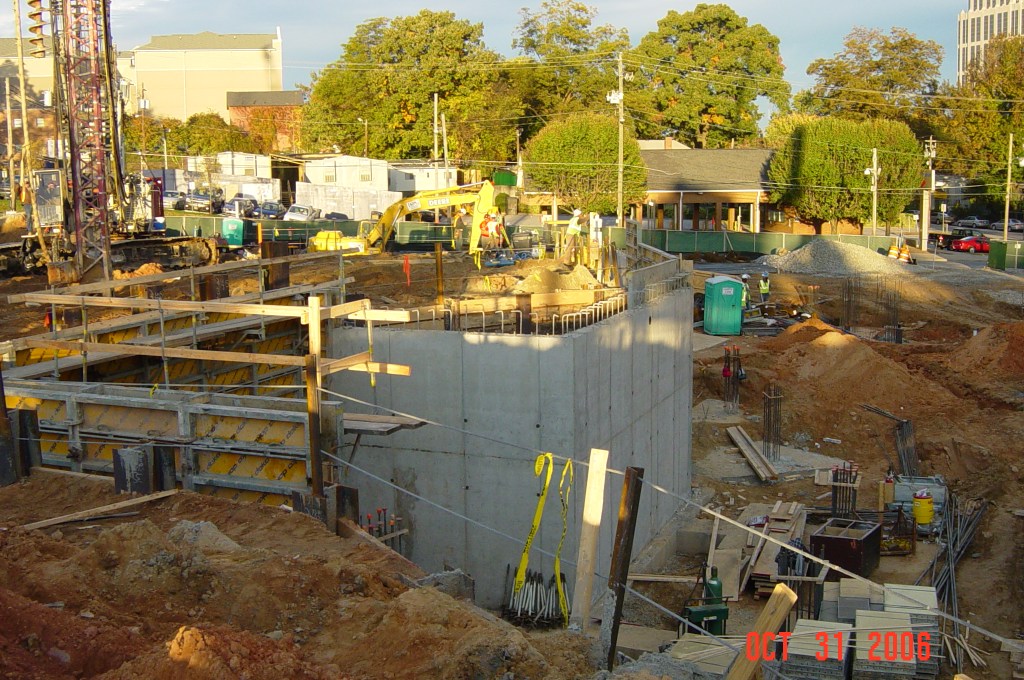
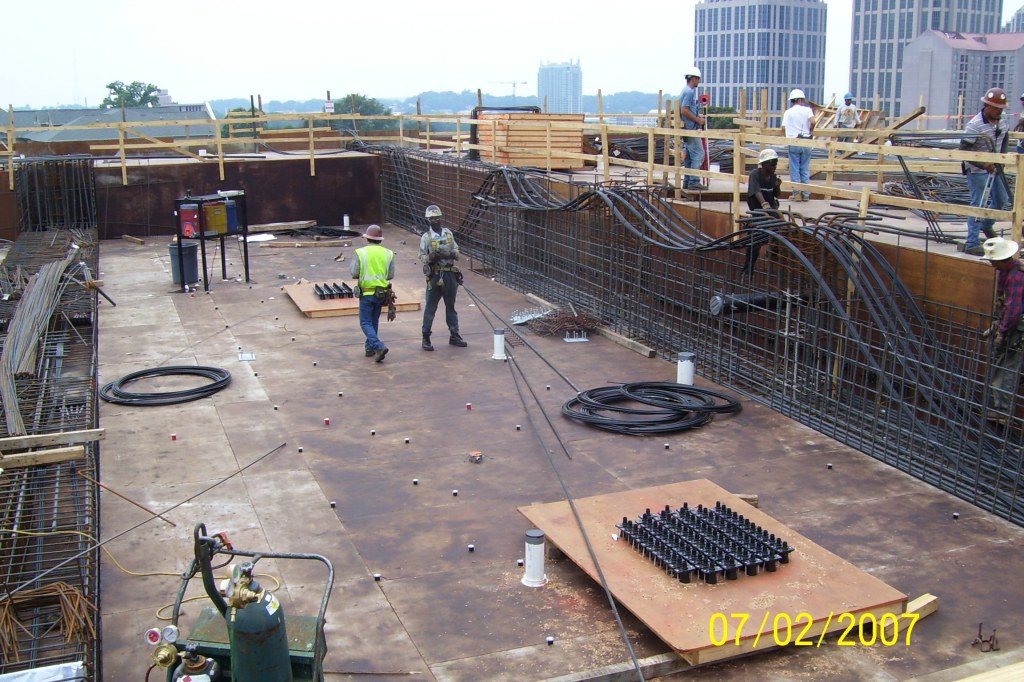
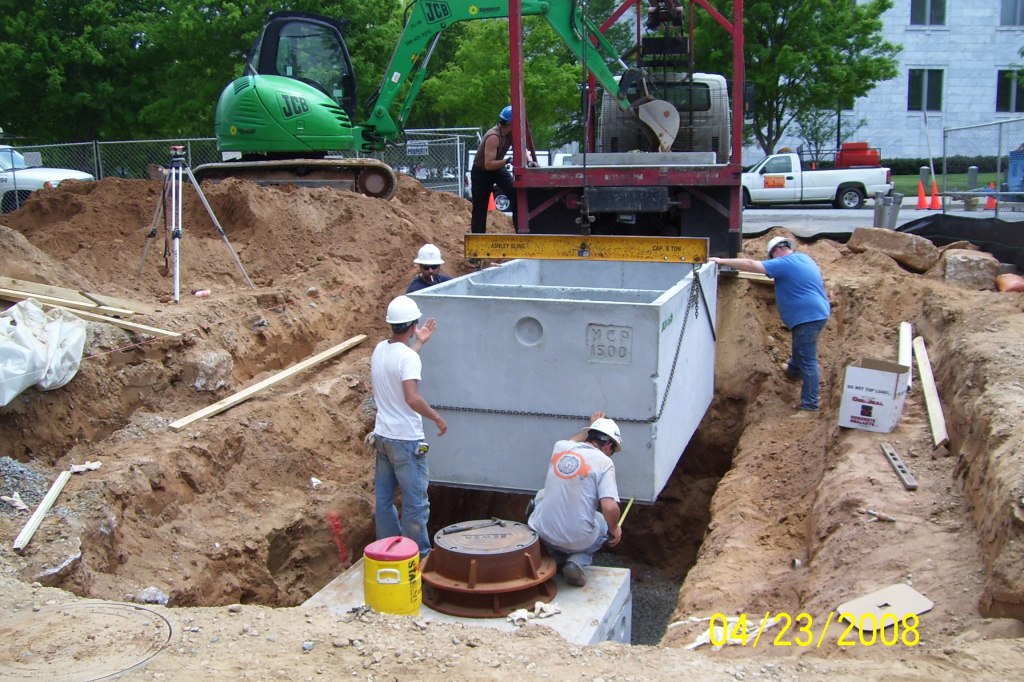
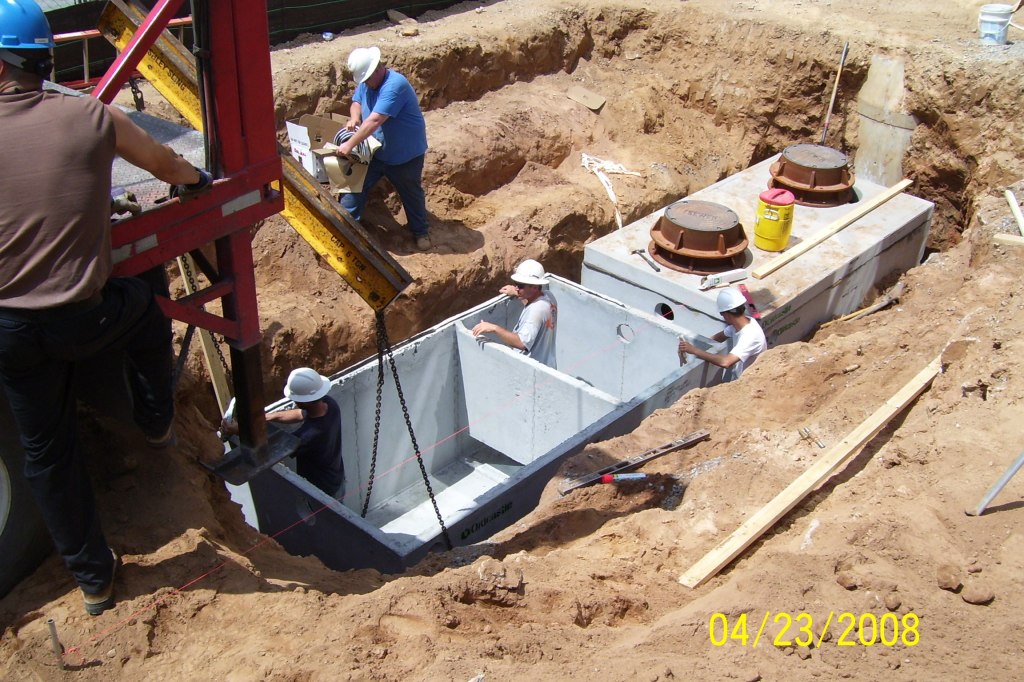
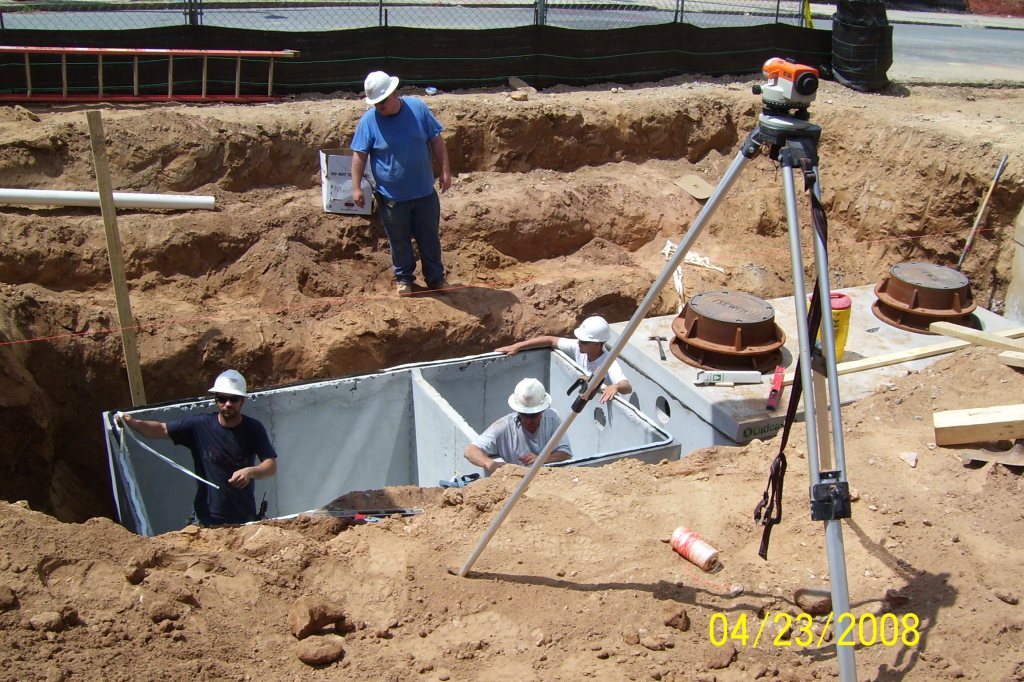
Building the underground storm water detention vault:
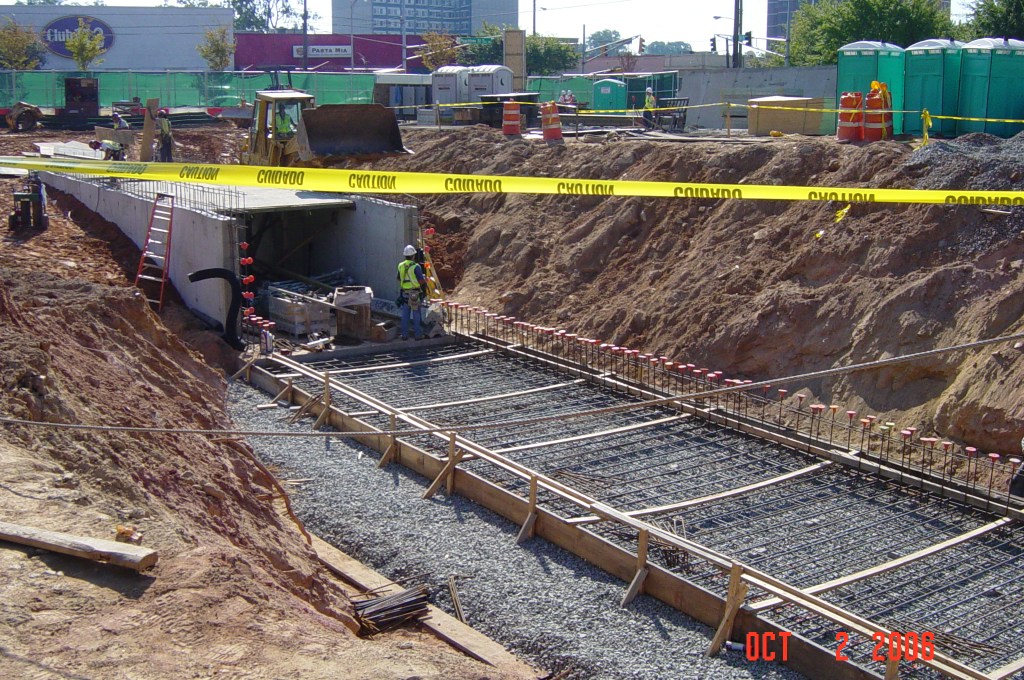
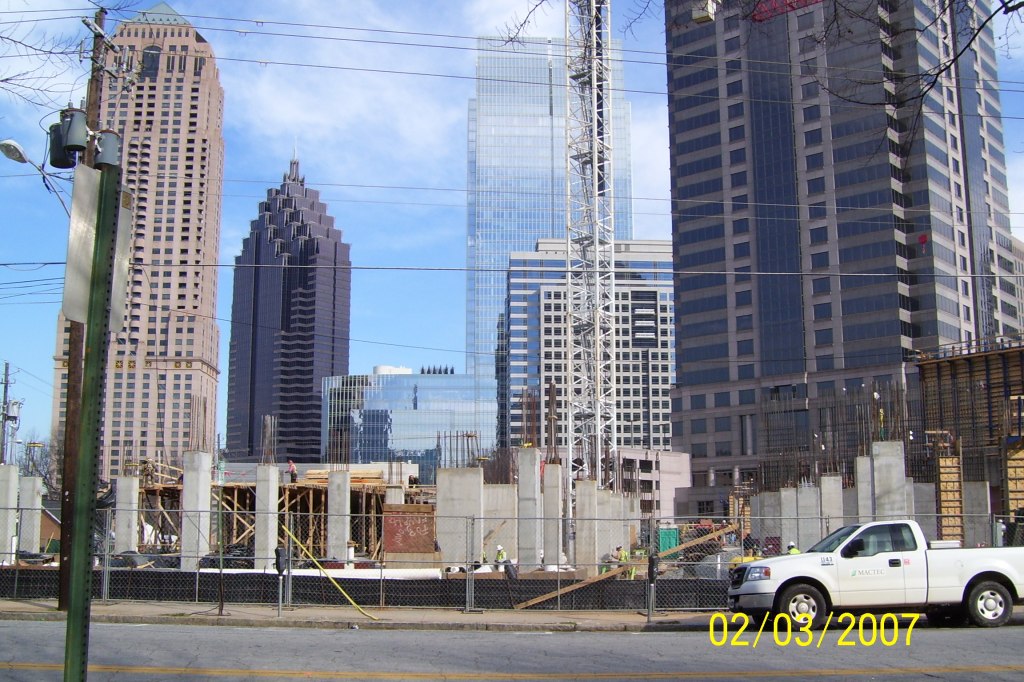
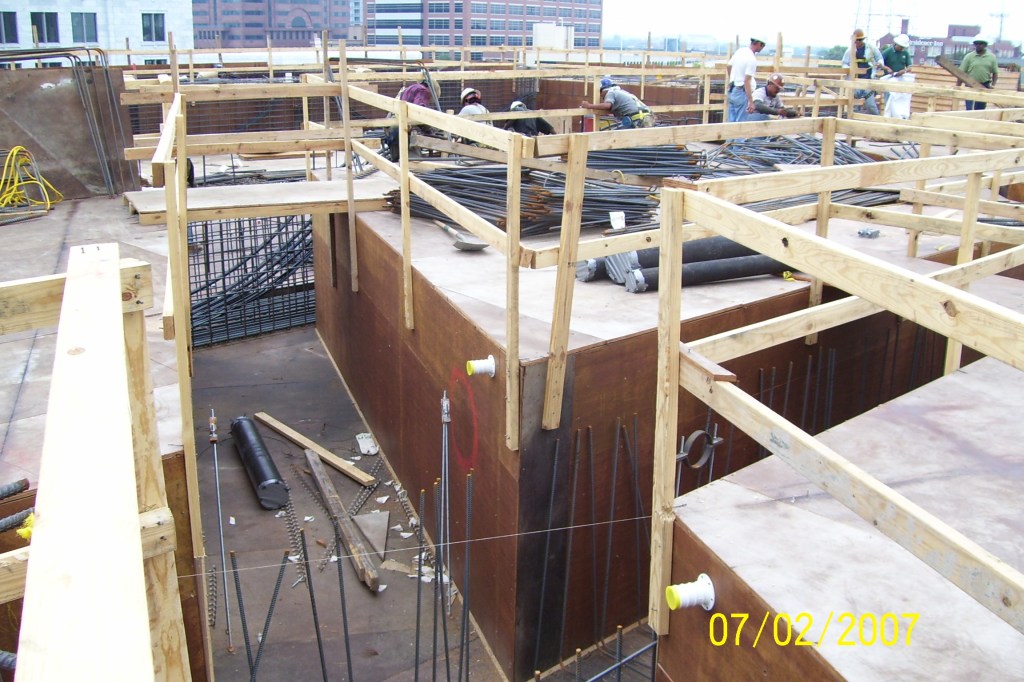
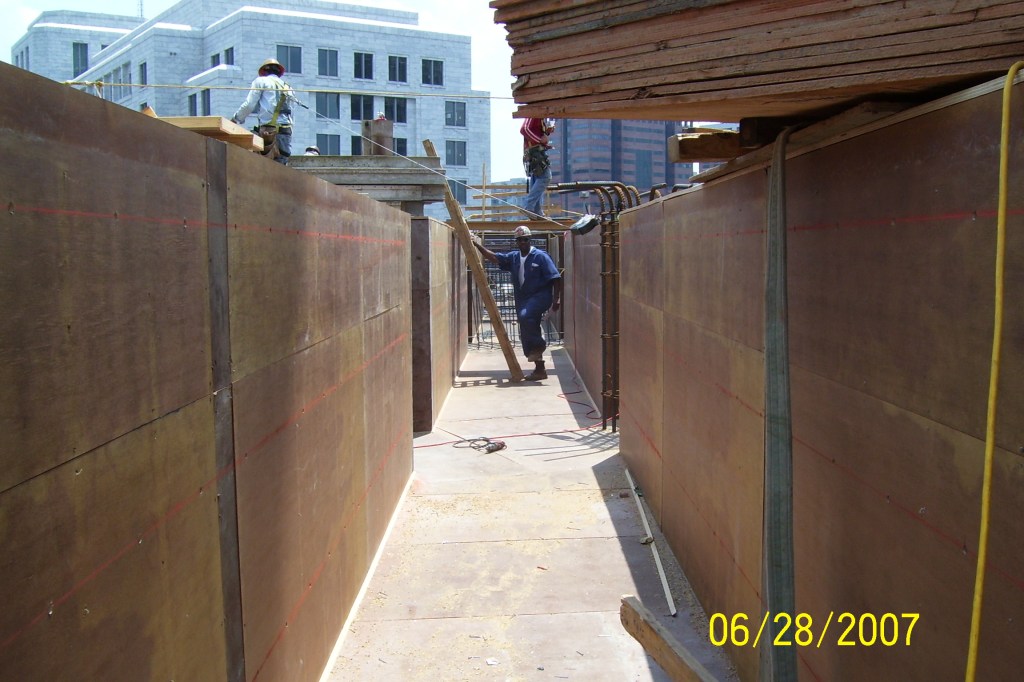
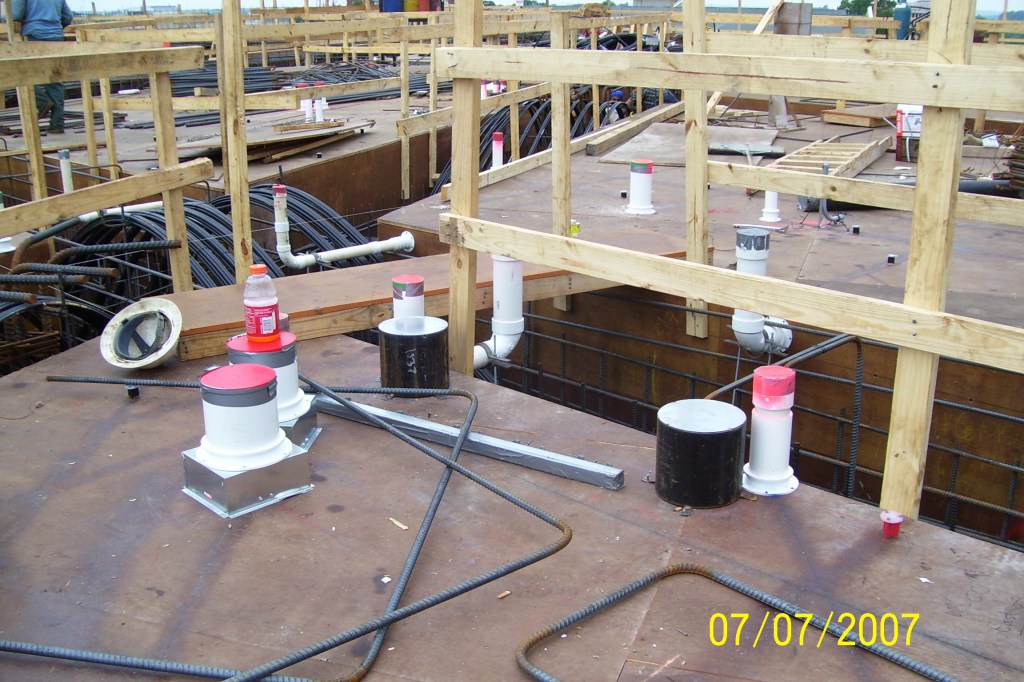
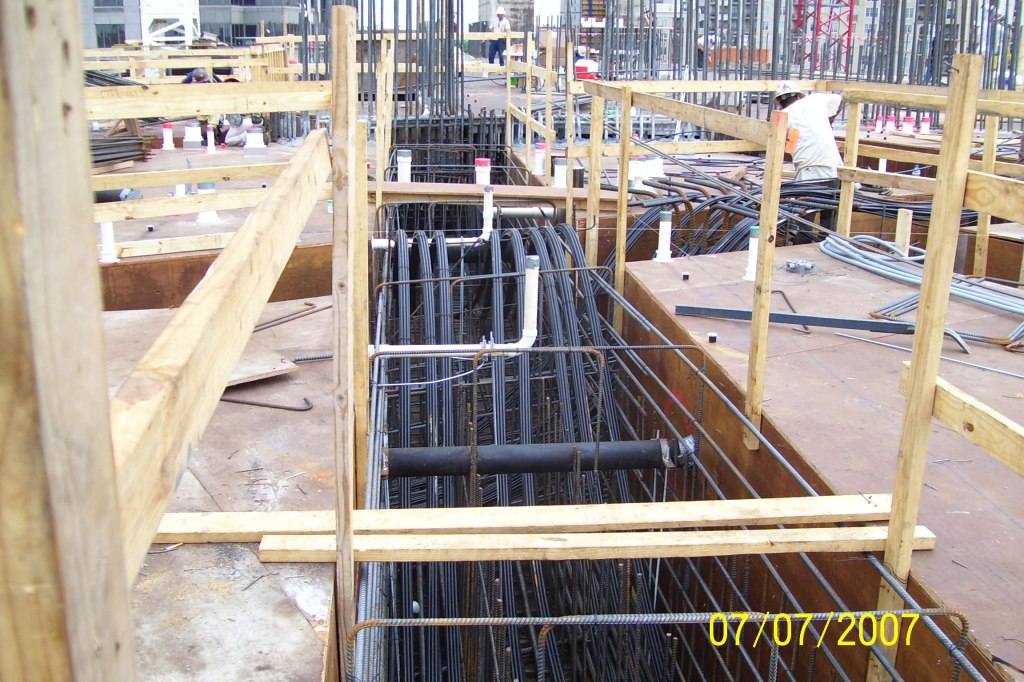
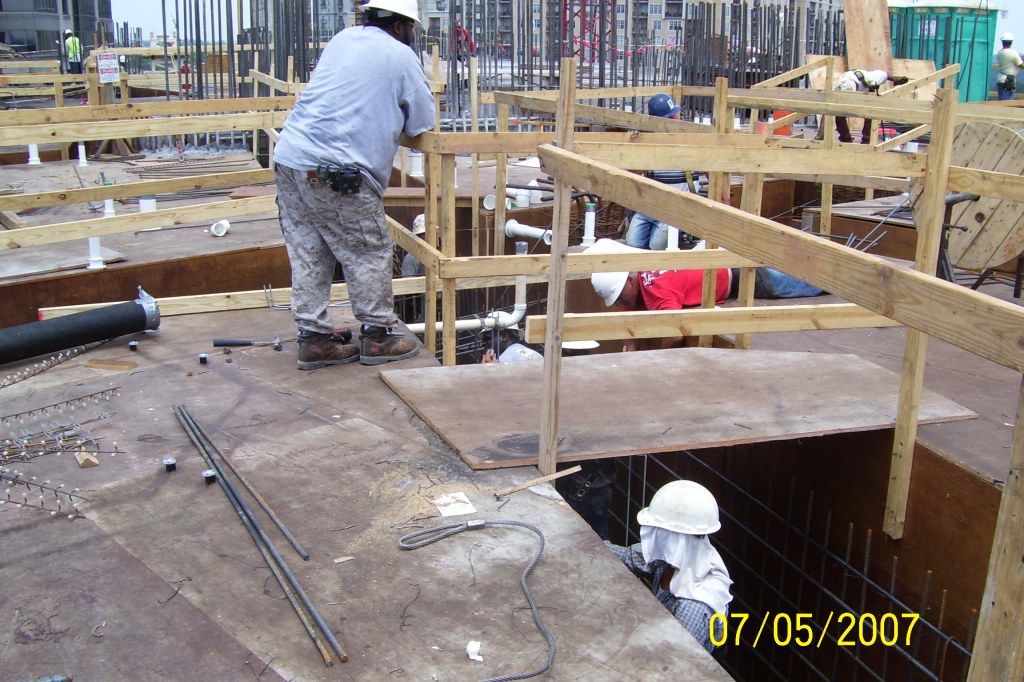
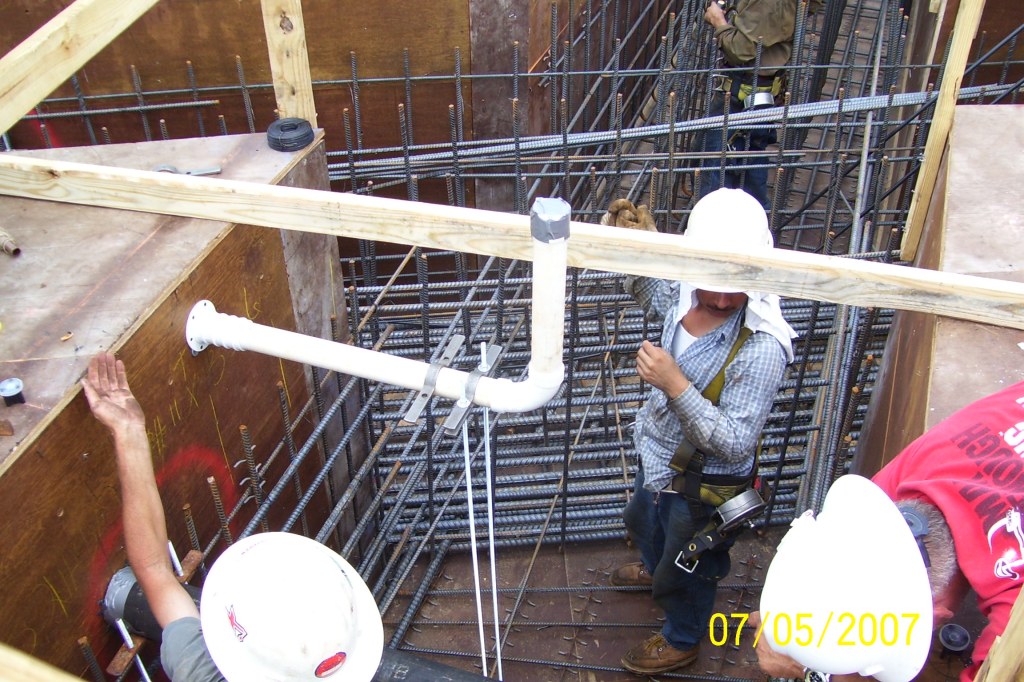
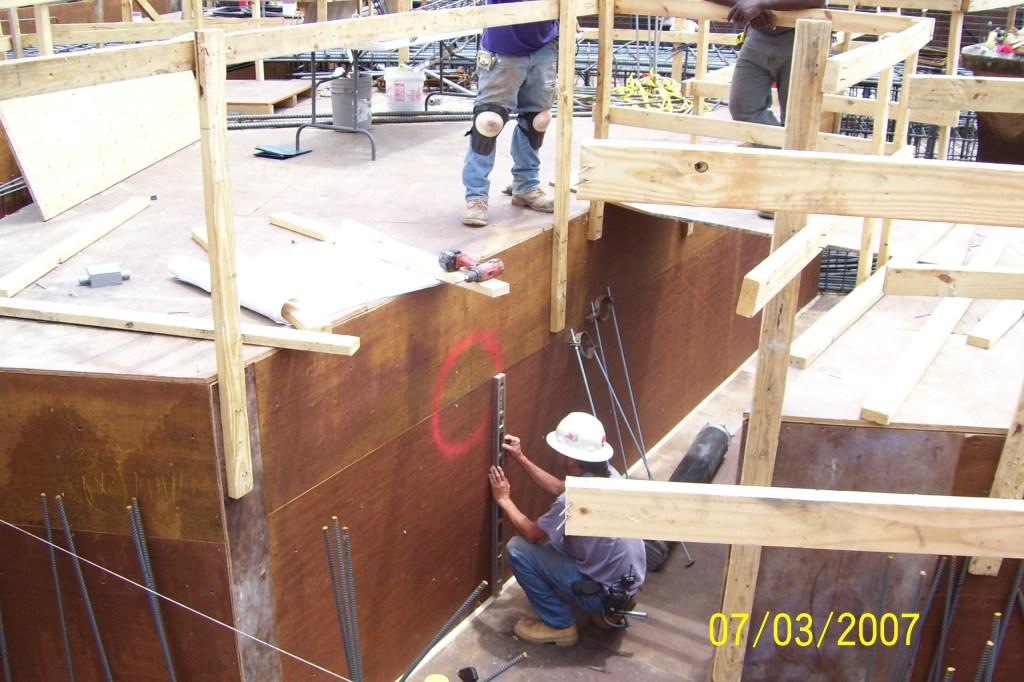
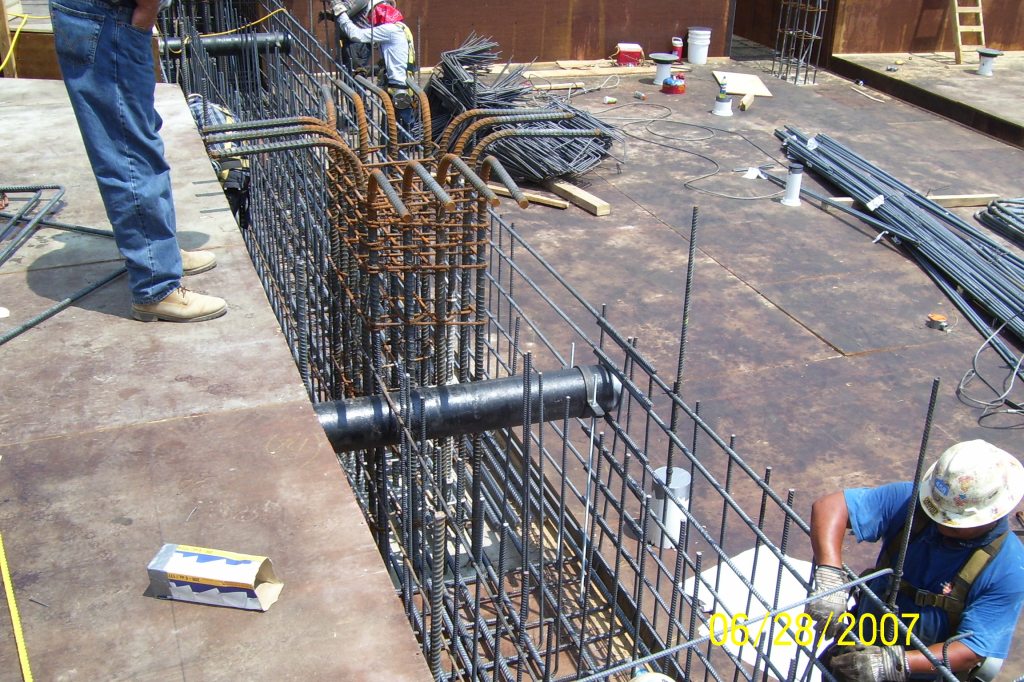
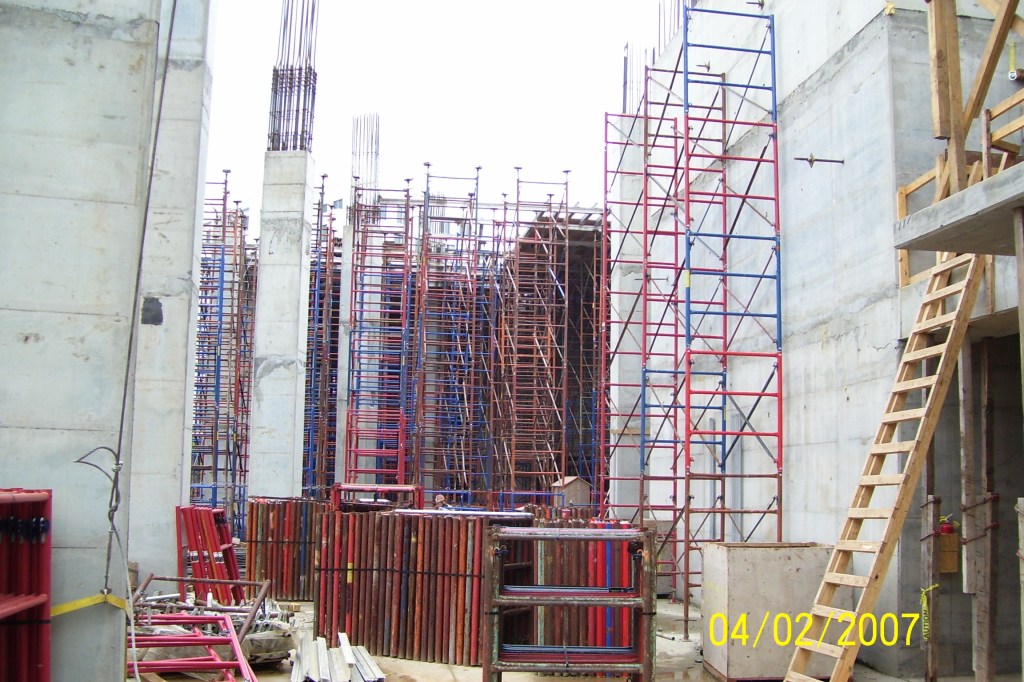
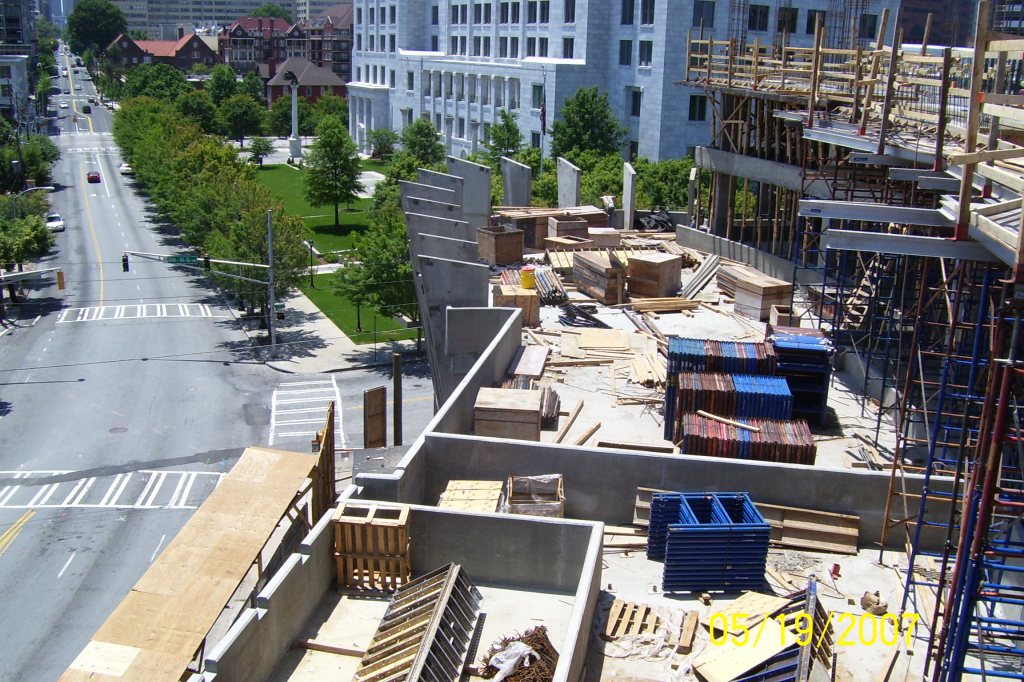
Continuing with the foundation. These concrete walls all wind up being below grade. Those sleeves that we are installing from a ladder will be below ground later. I had to look way ahead to figure many sleeve elevations and locations in order to avoid having to core through thick concrete walls later:
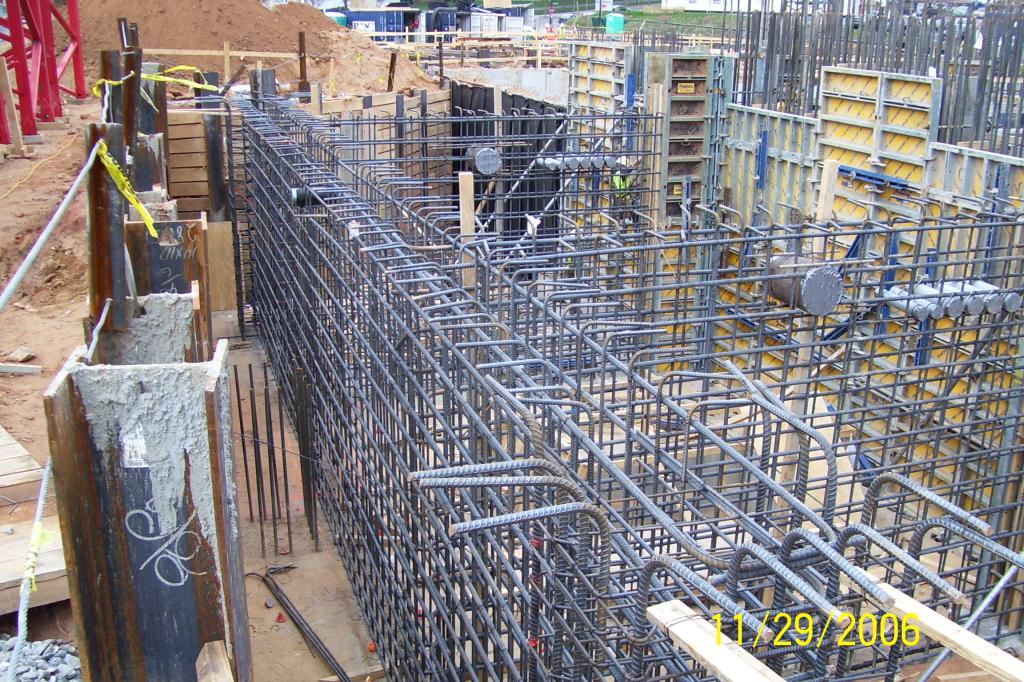
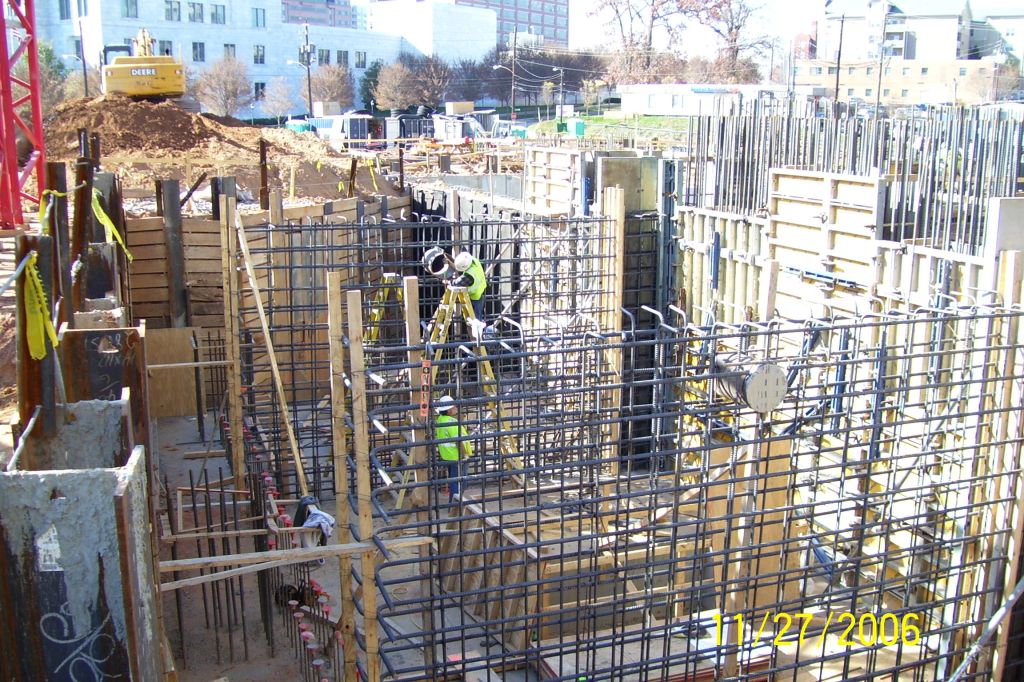
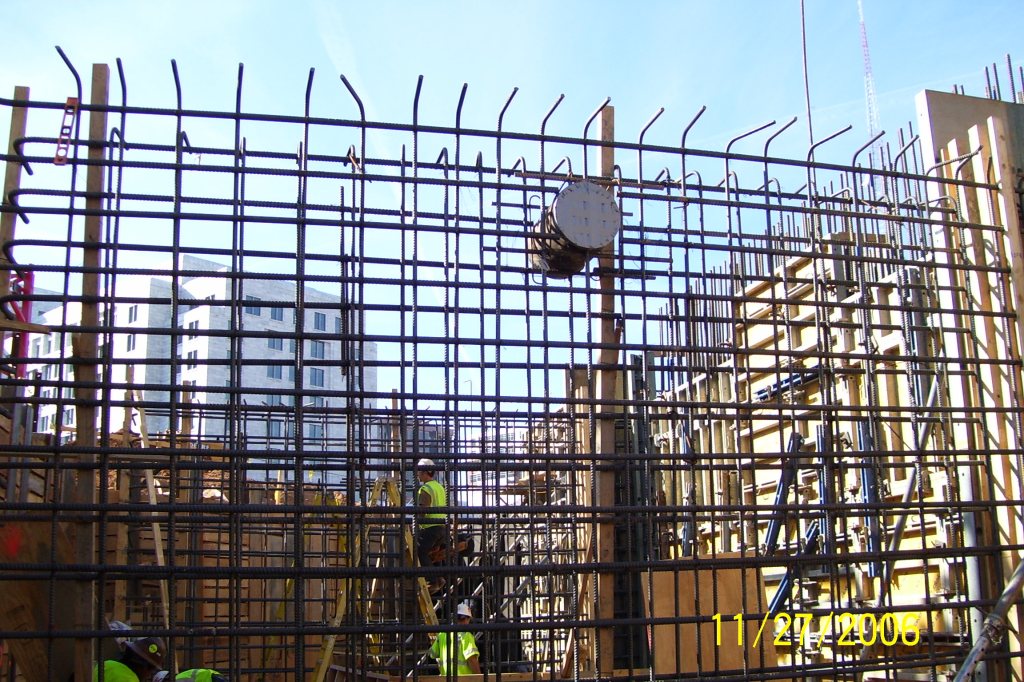
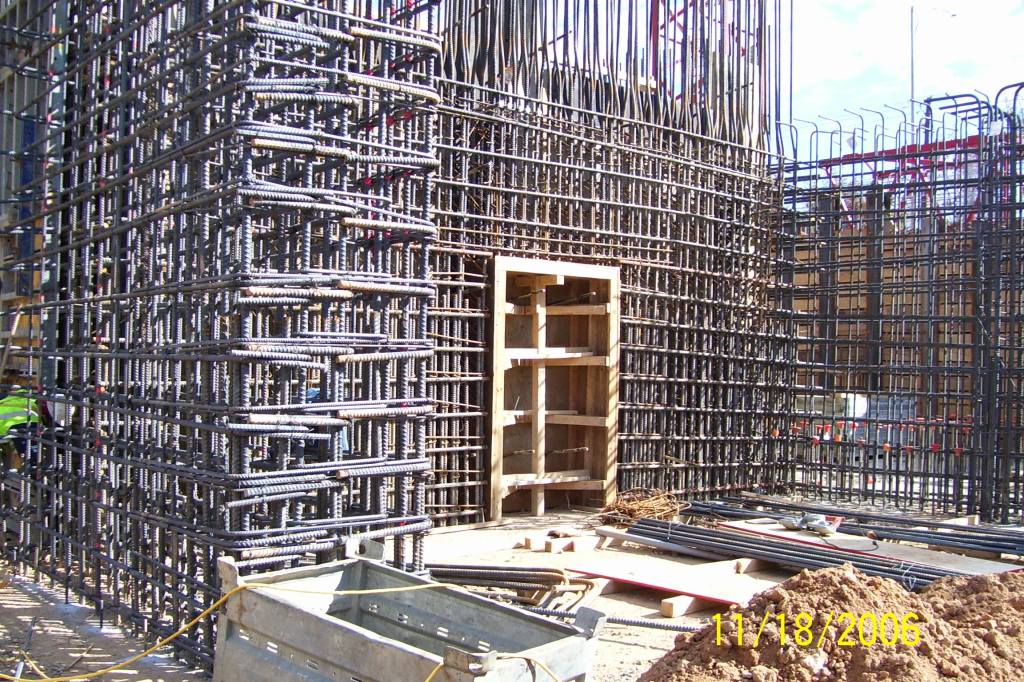
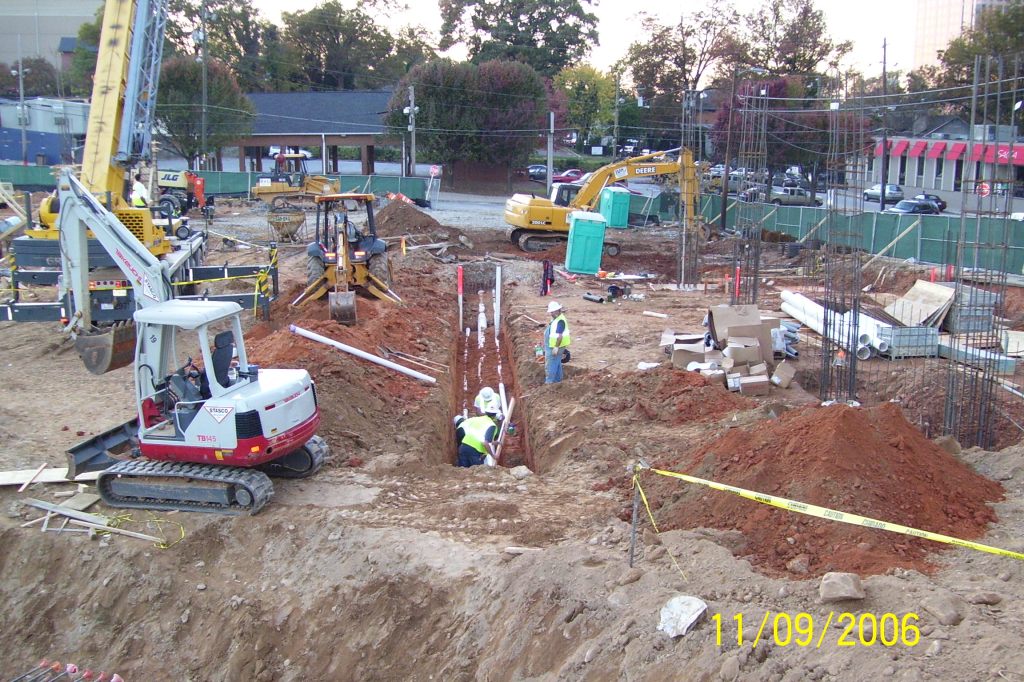
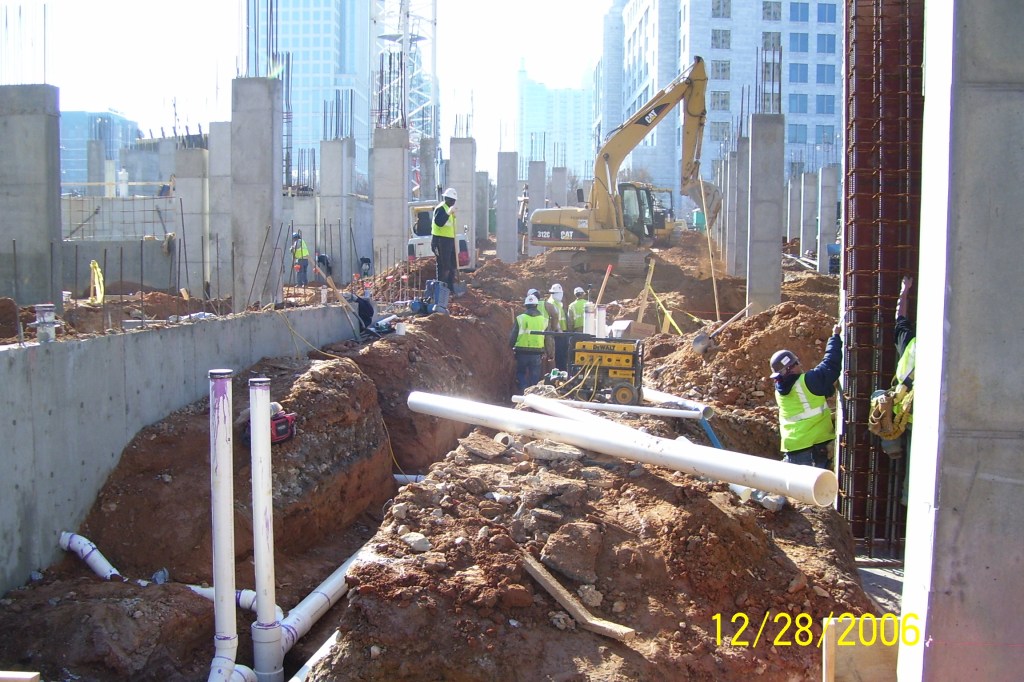
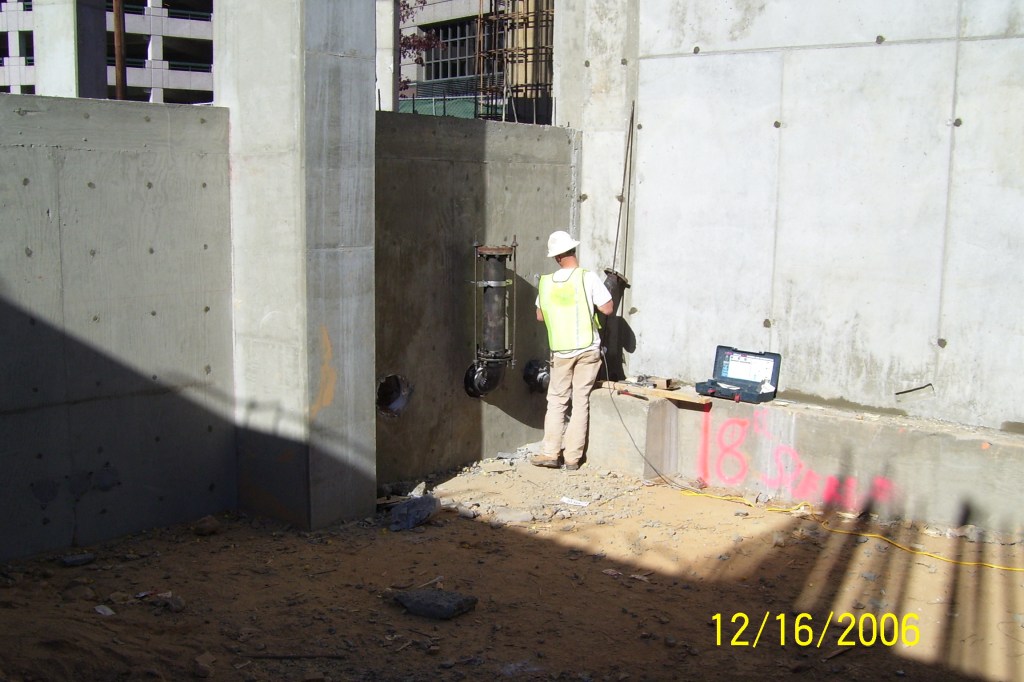
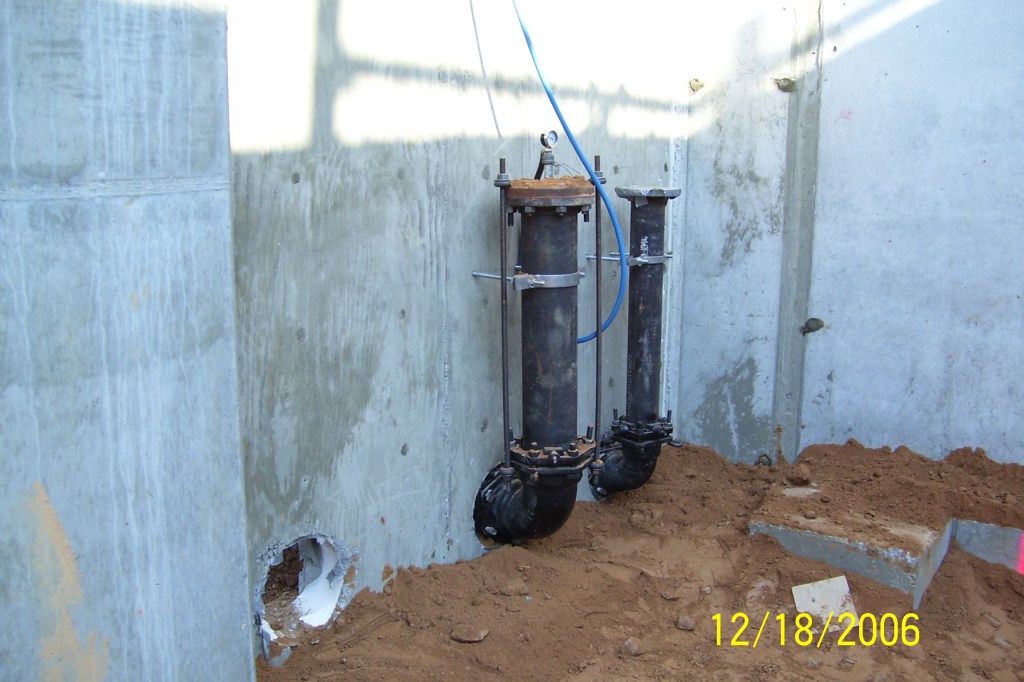
Running the underground piping through the sleeves (from the previous pictures):
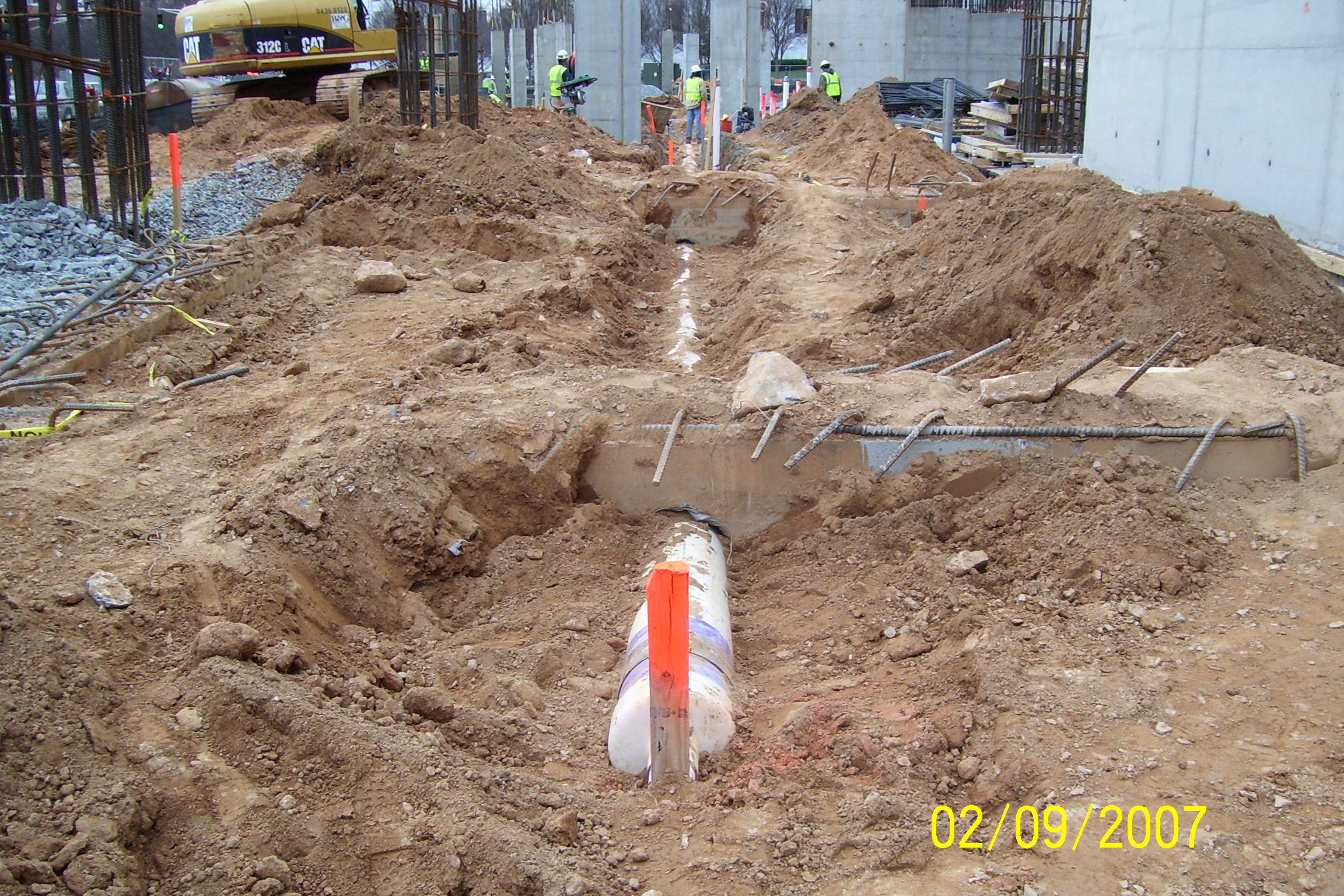
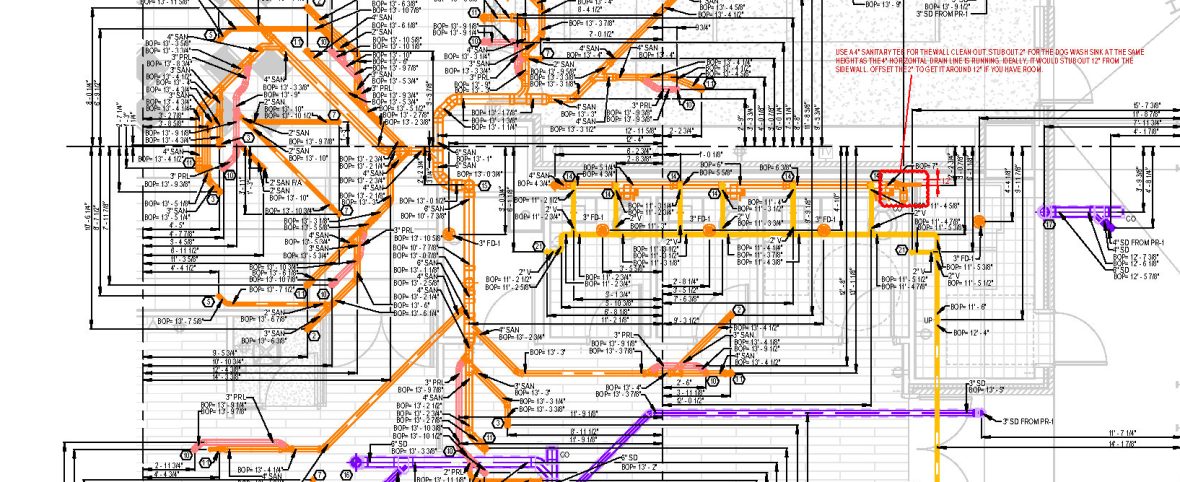
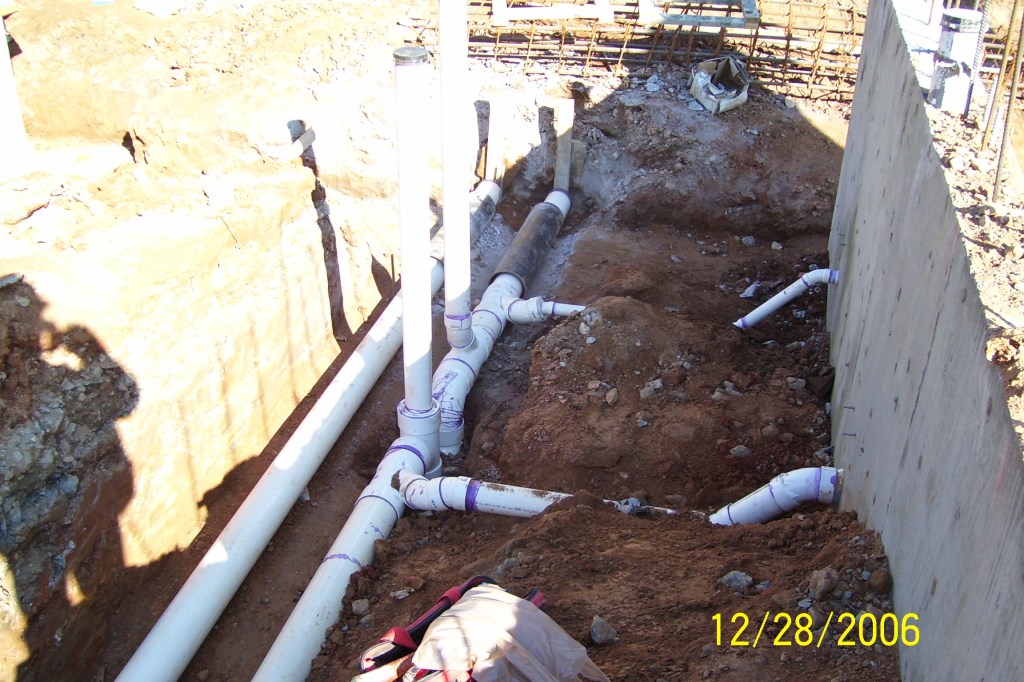
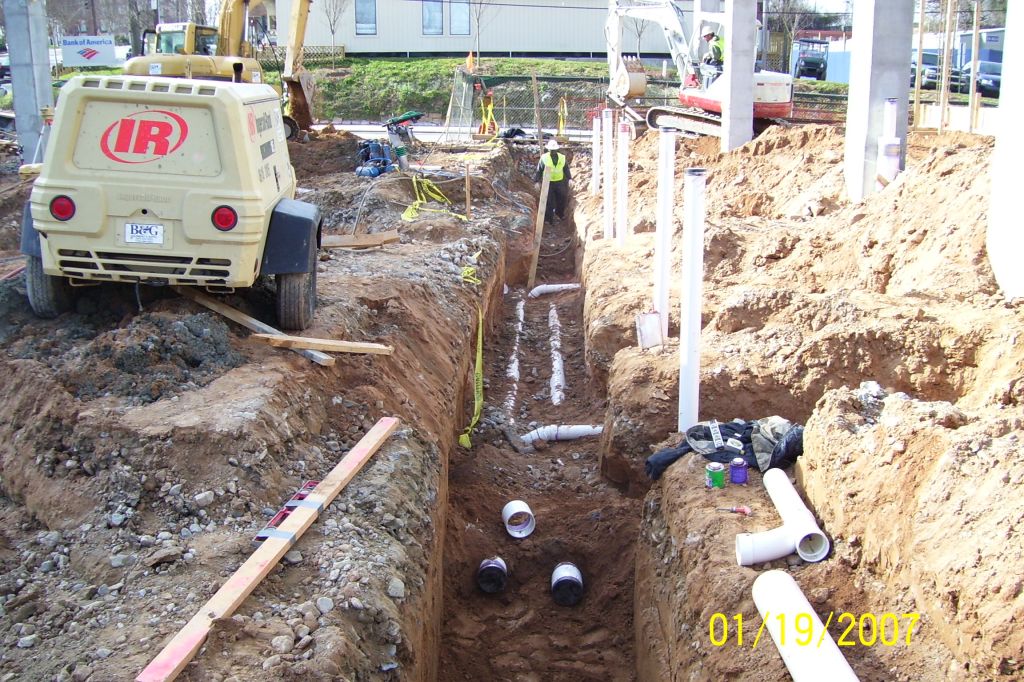
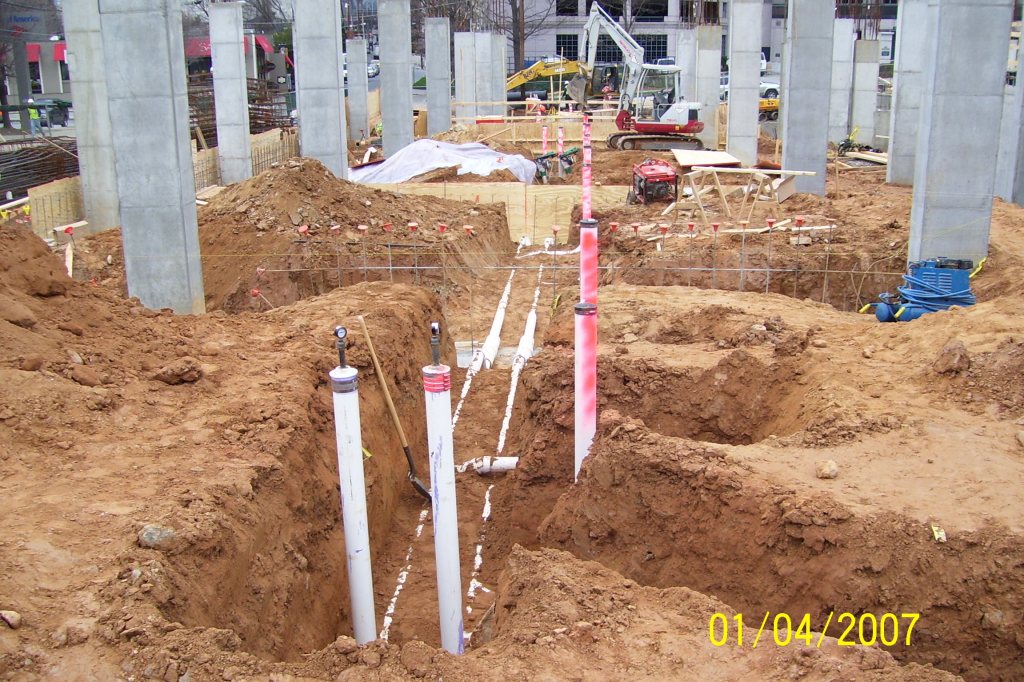
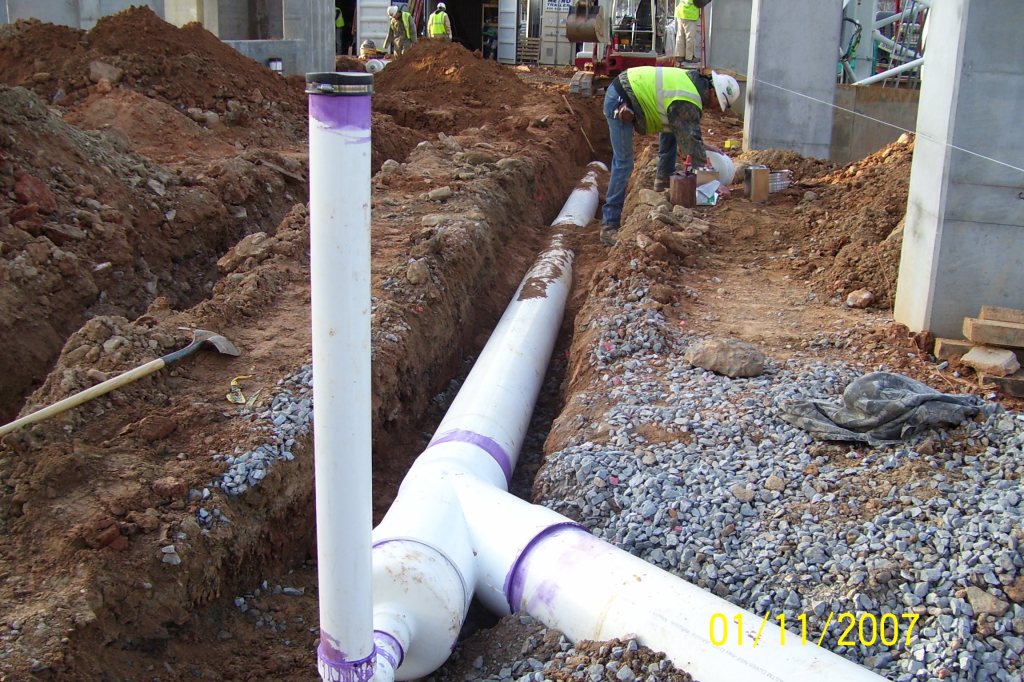
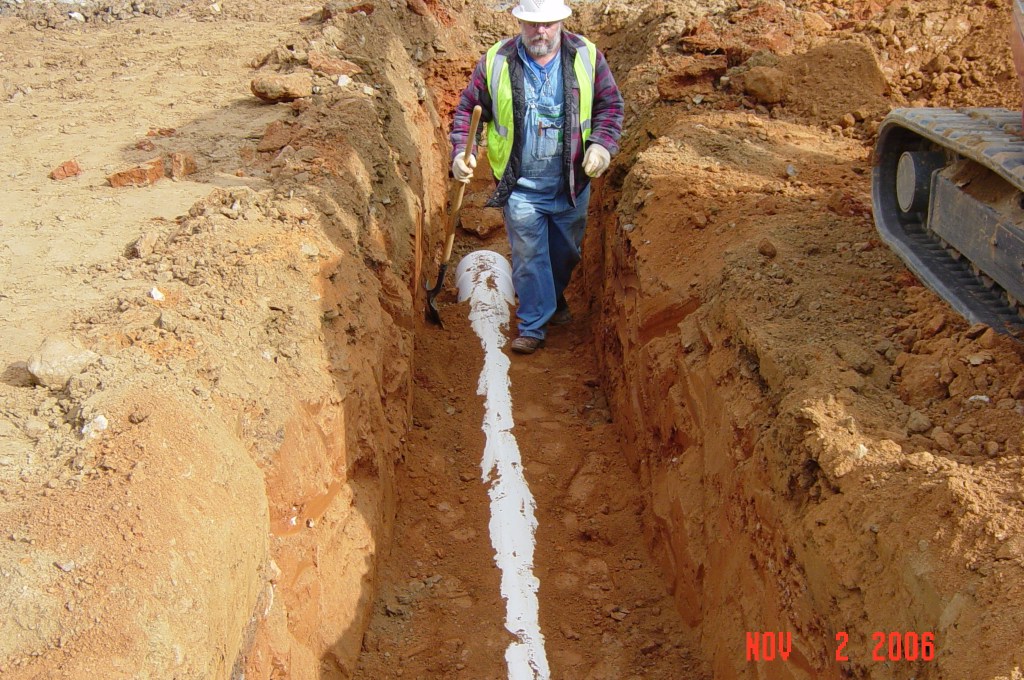
Continuing with the below slab plumbing installation (sanitary waste, grease waste, and rainwater drainage):
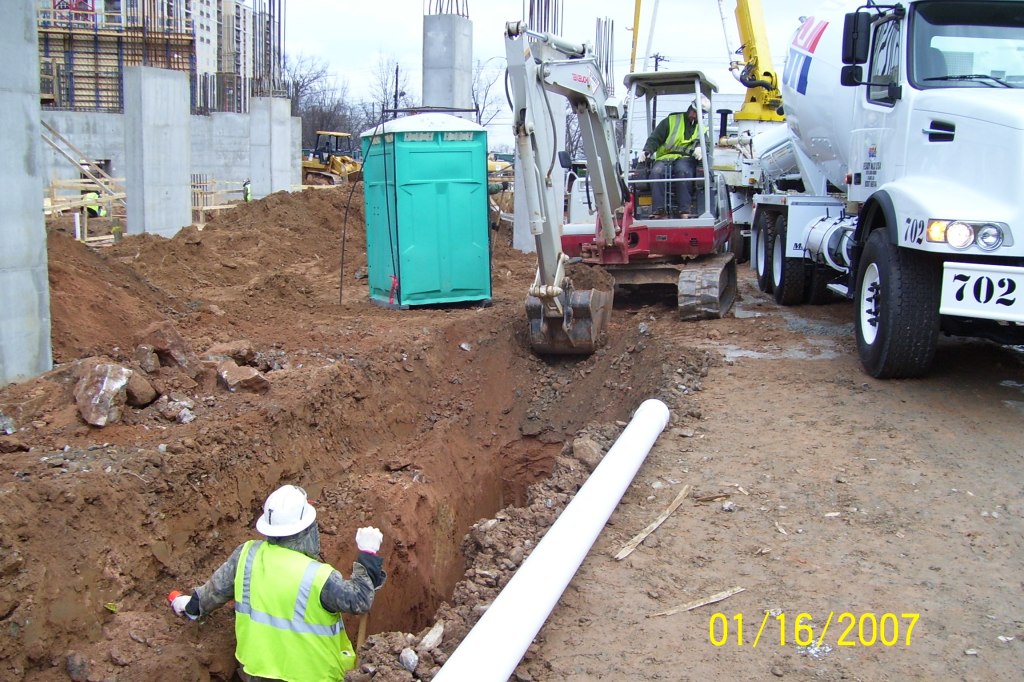
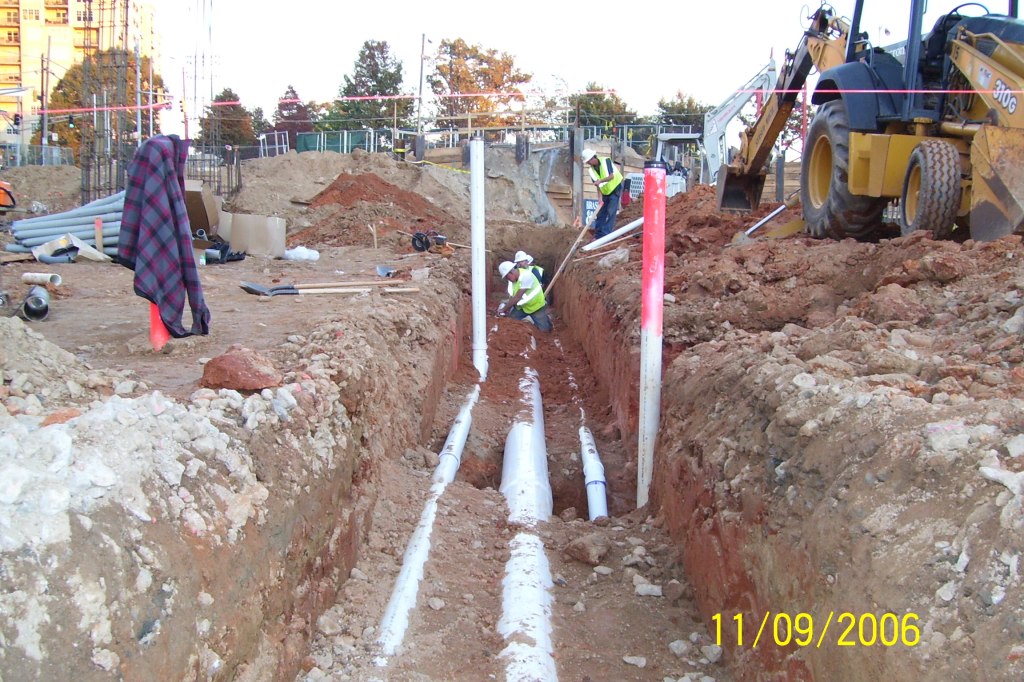
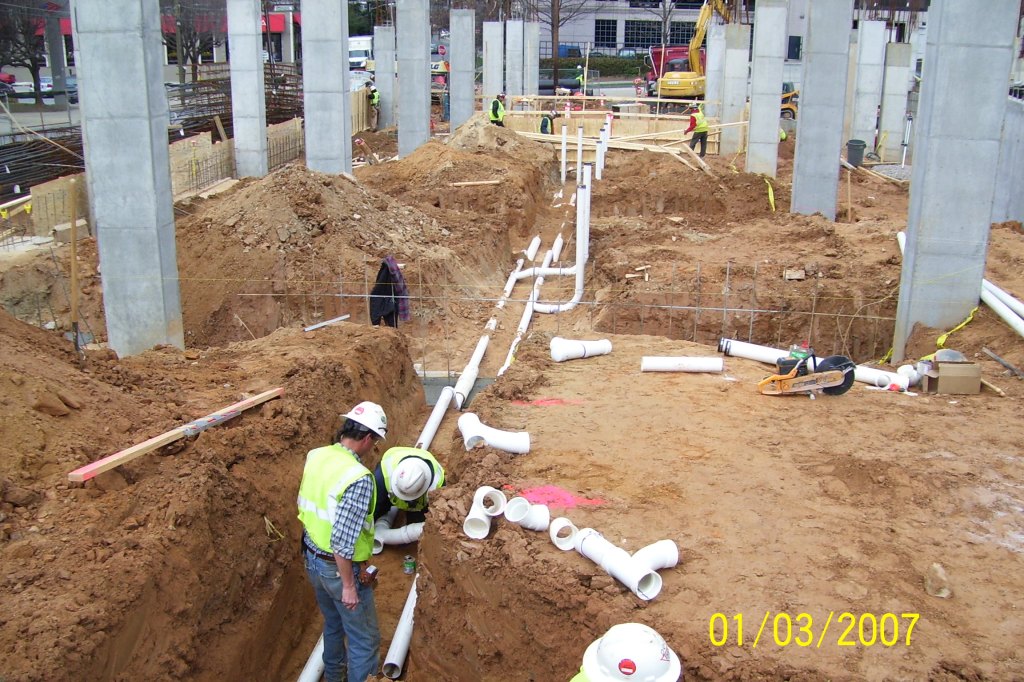
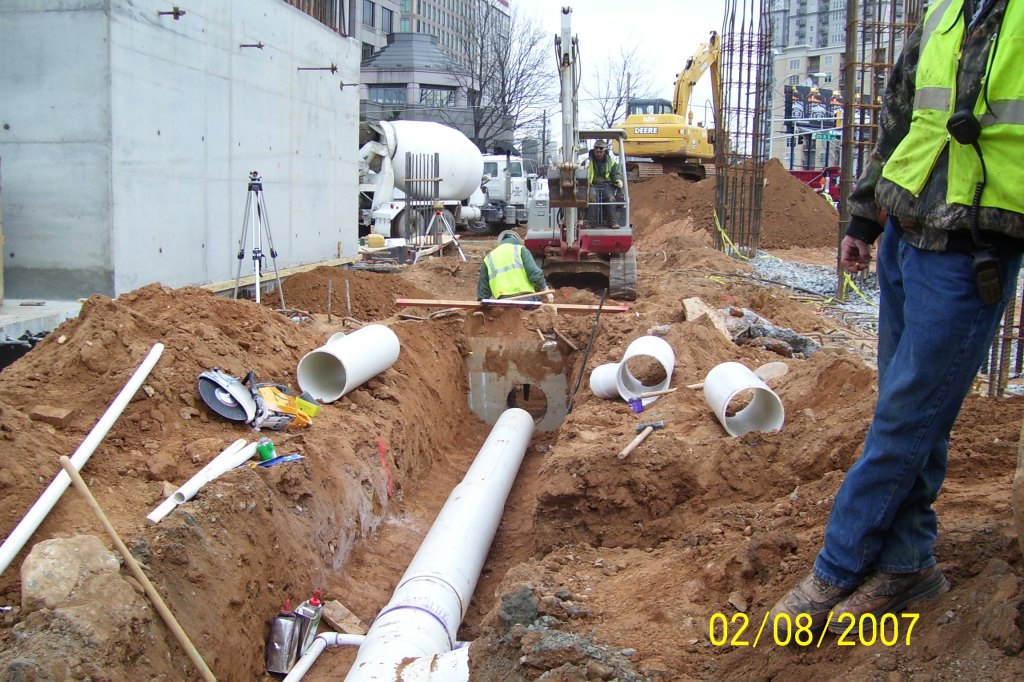
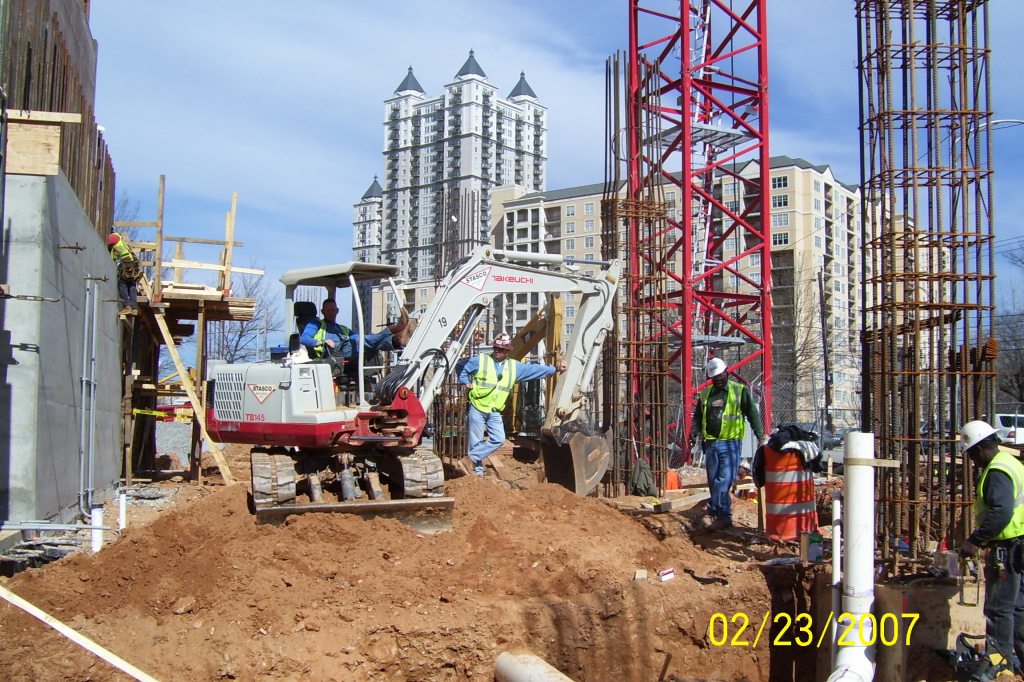
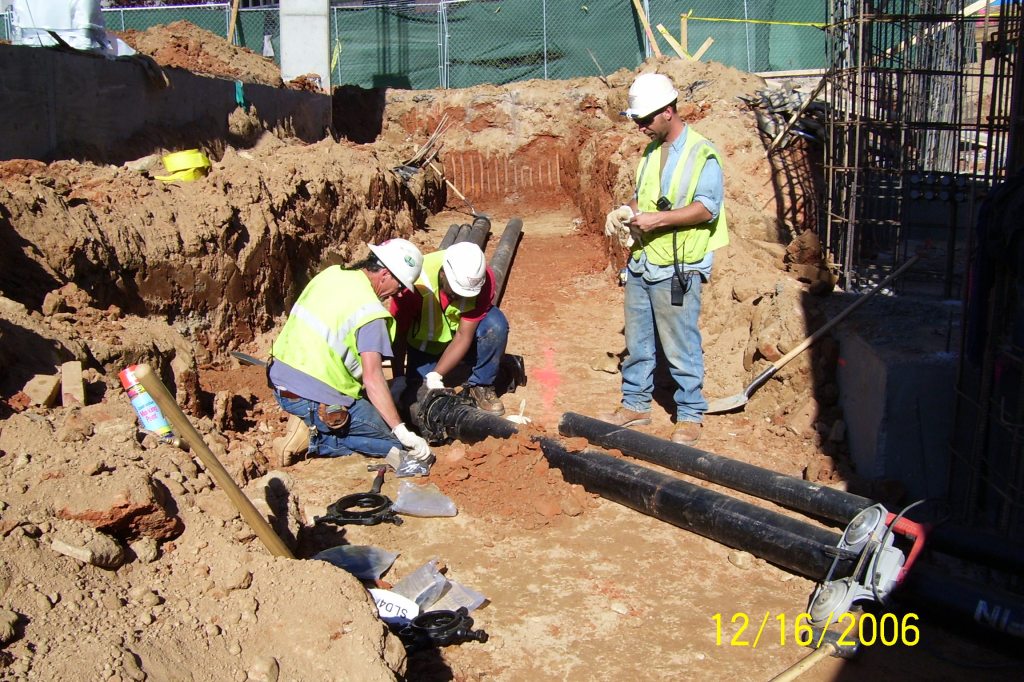
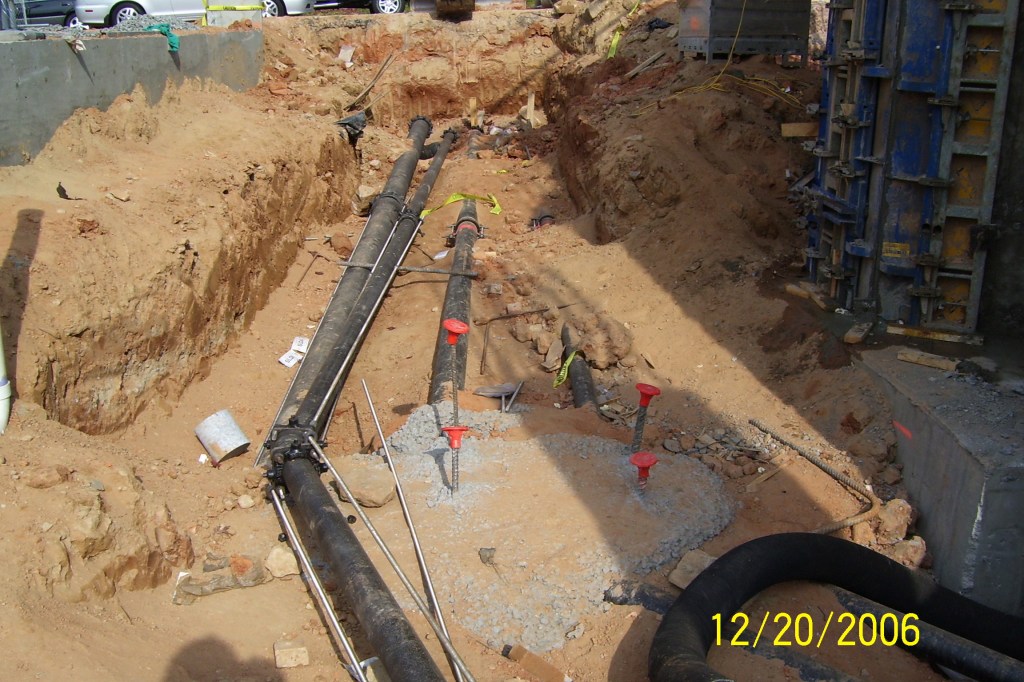
Running the two domestic water mains into the building (6″ for the residential units, and 3″ for the retail spaces). The fire protection contractor ran his fire sprinkler main to the left of ours.
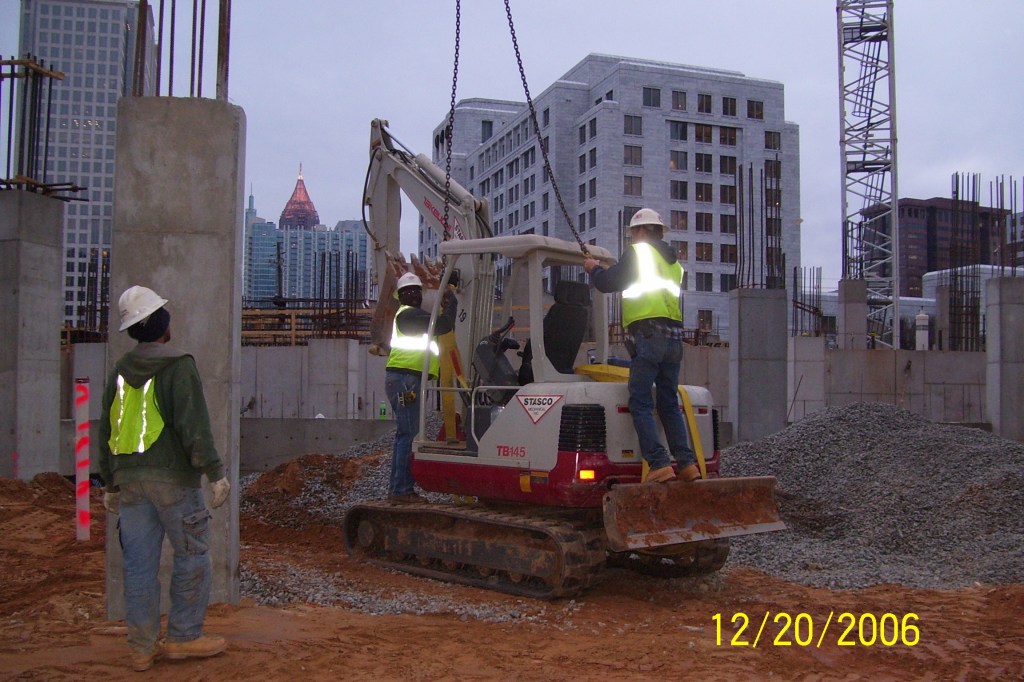
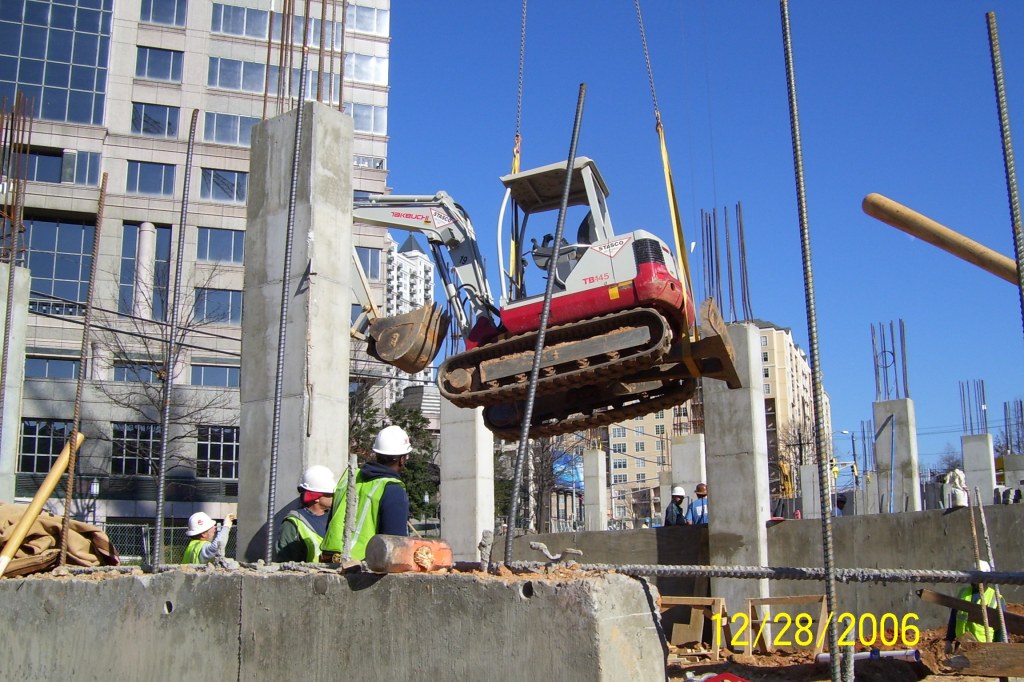
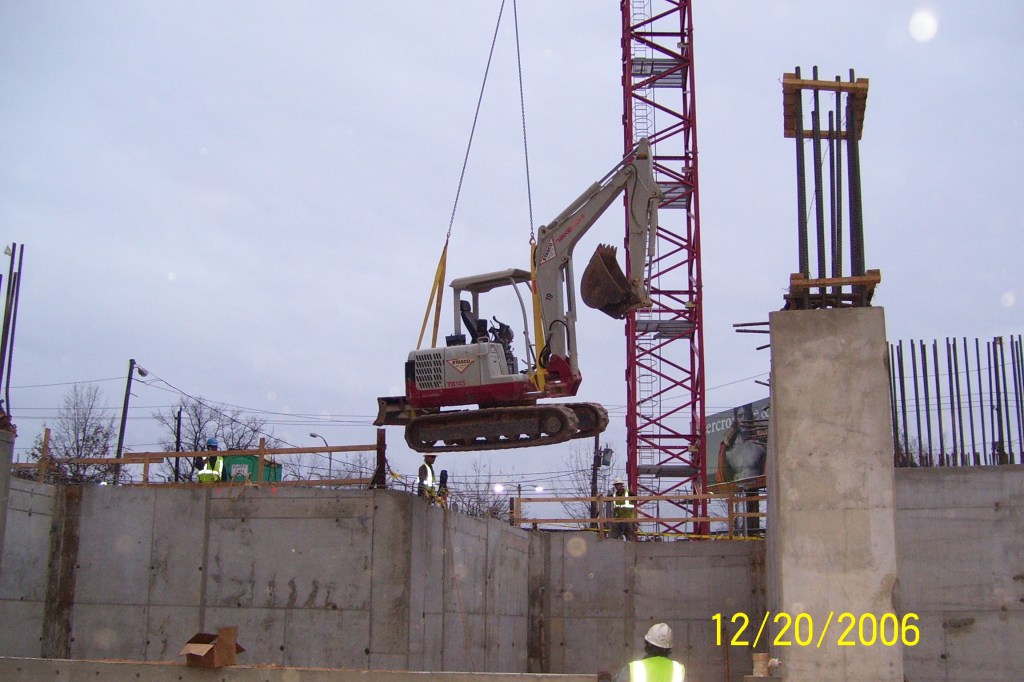
Flying tractor:
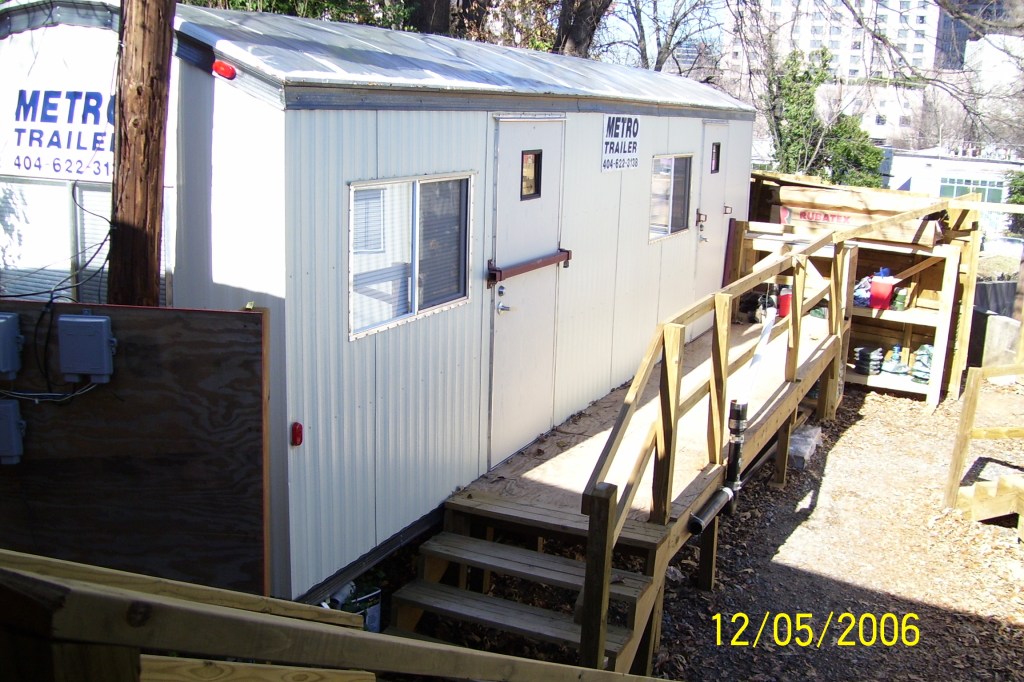
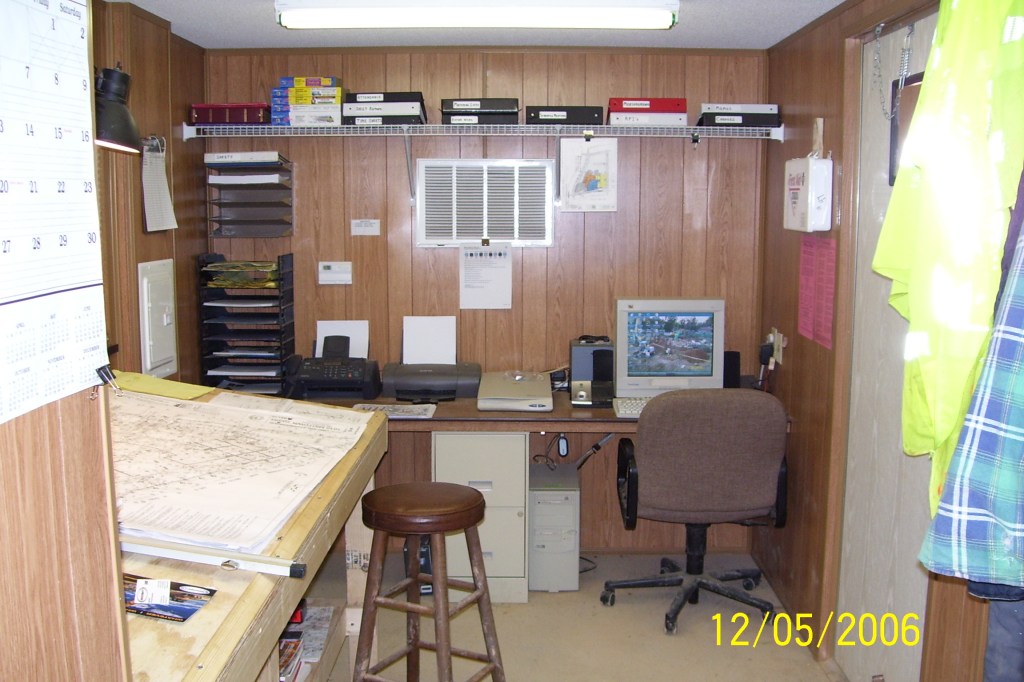
My home away from home for two years. I did all of the sleeve drawings, plumbing sketches, take-offs, and material ordering for 1010 Midtown from here.
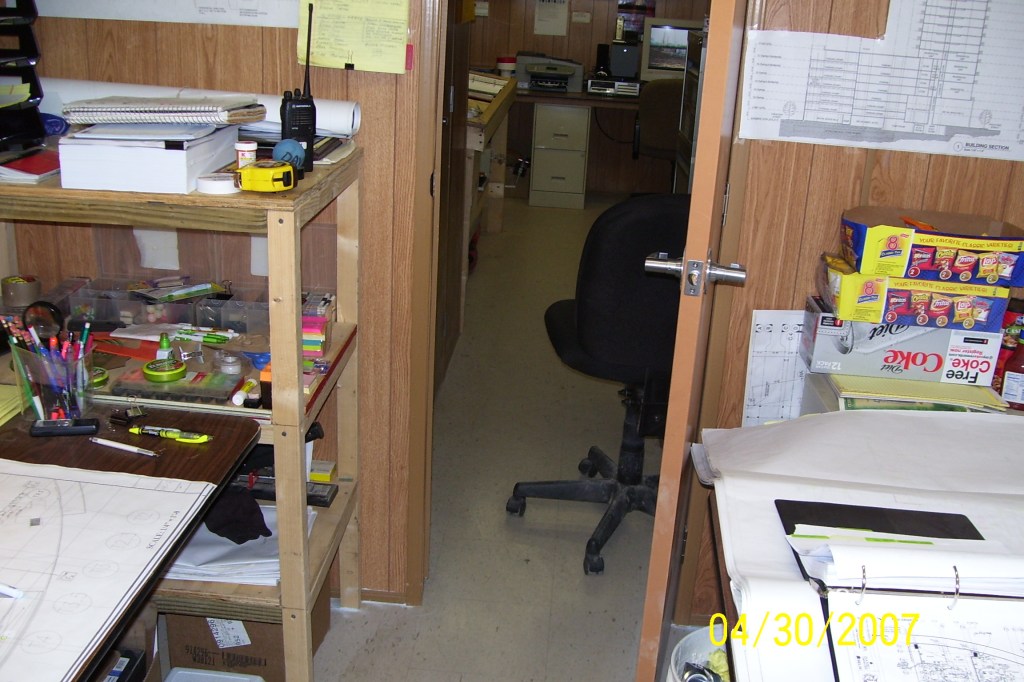
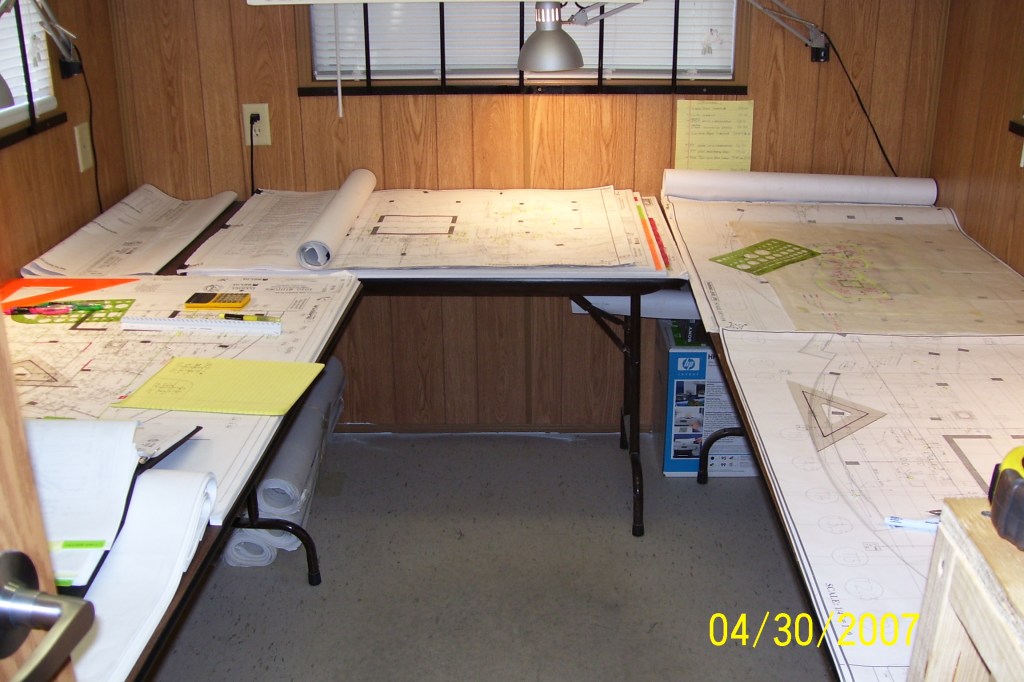
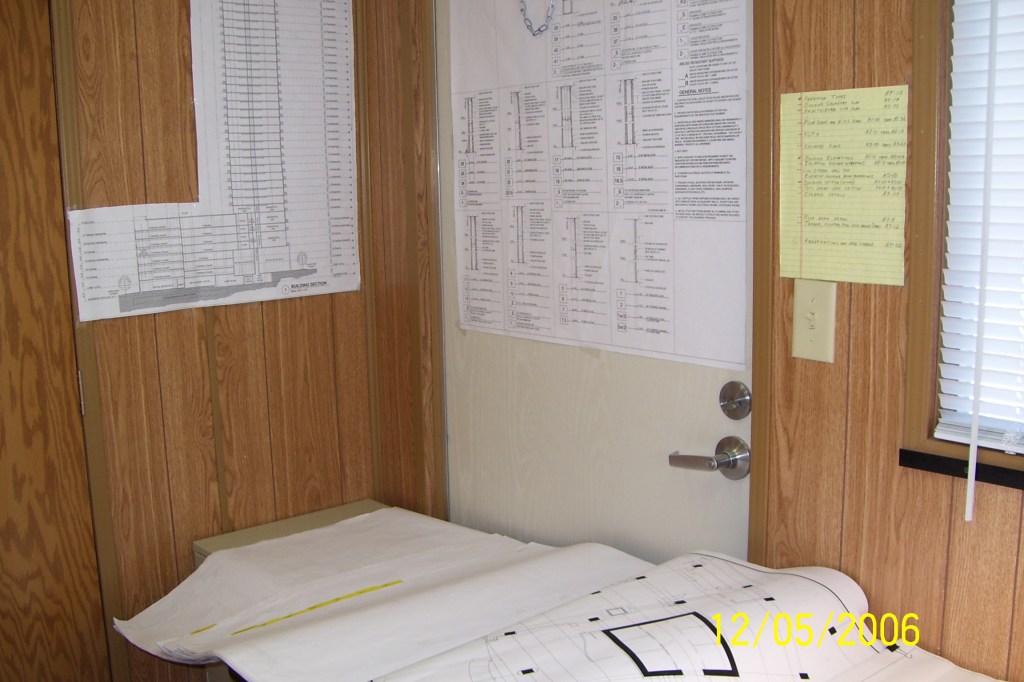
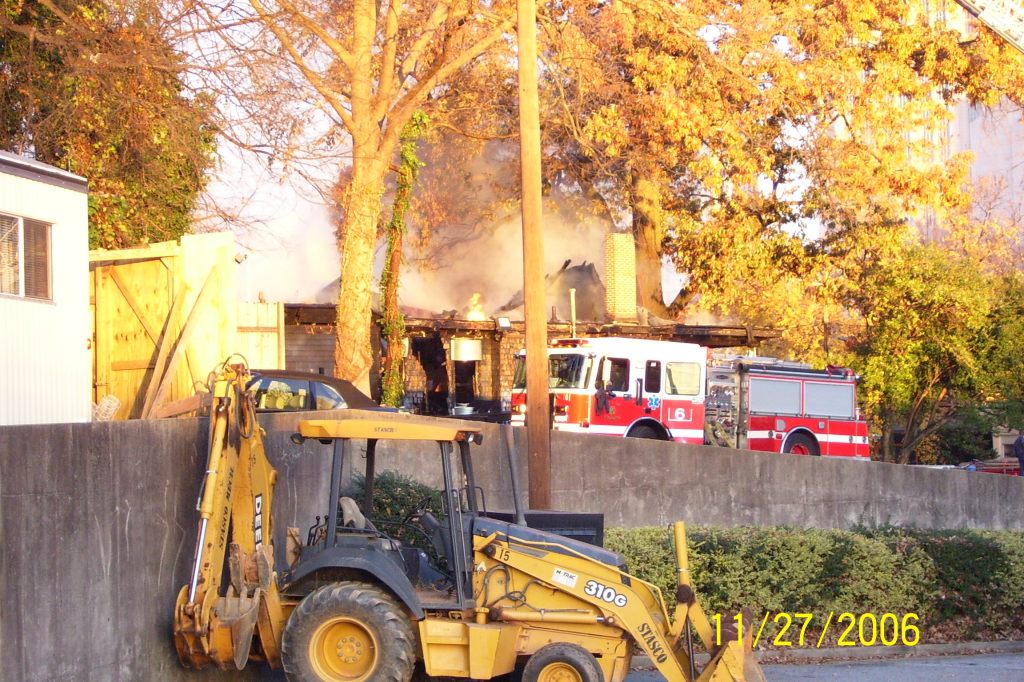
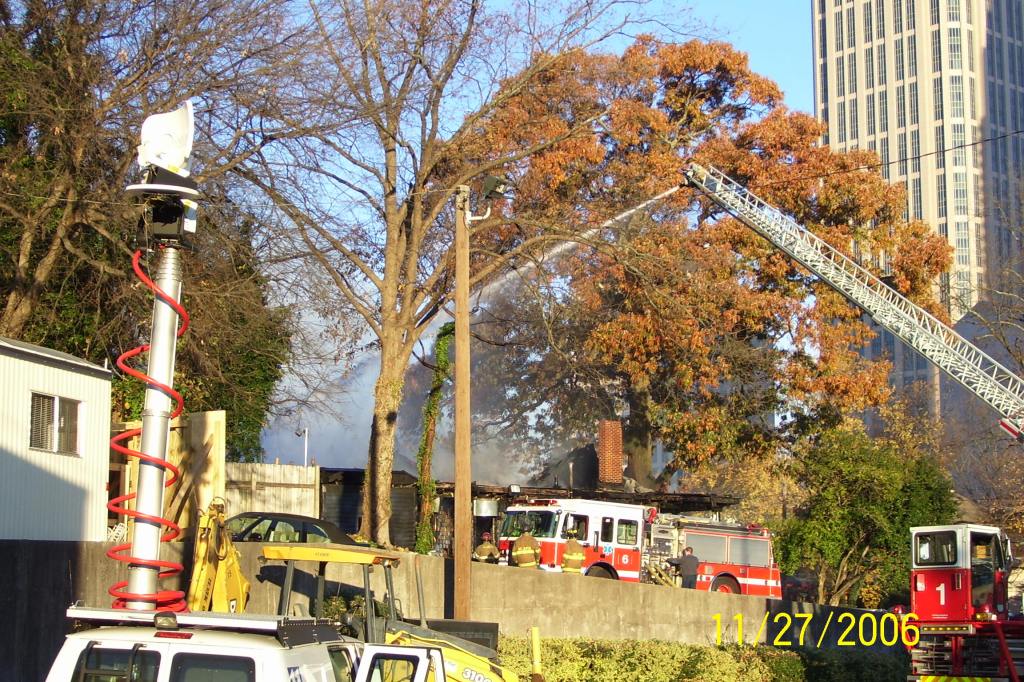
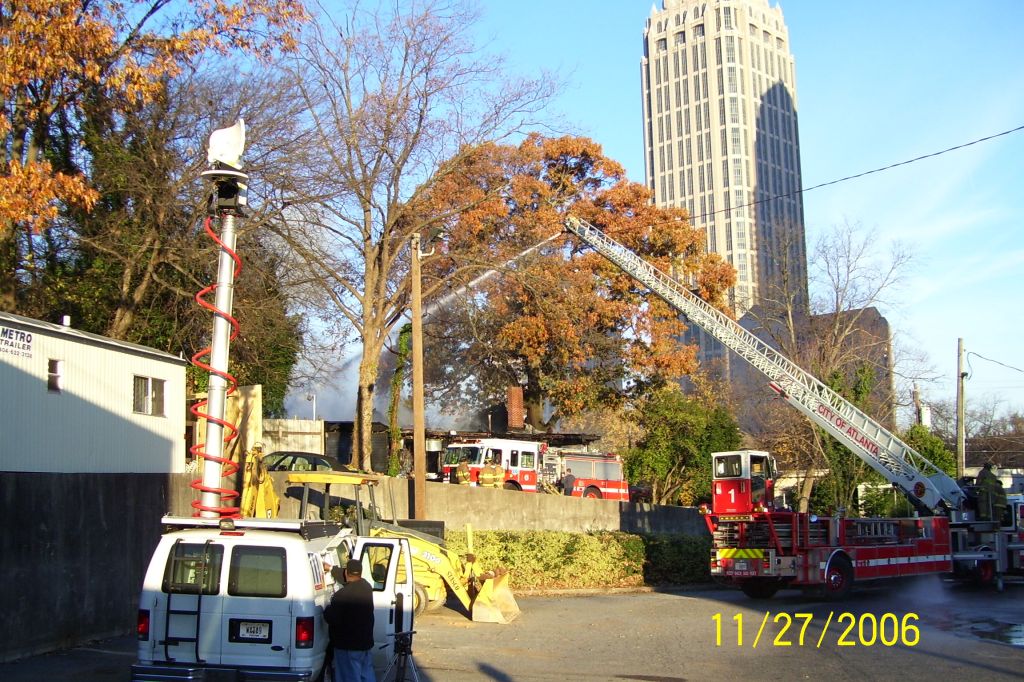
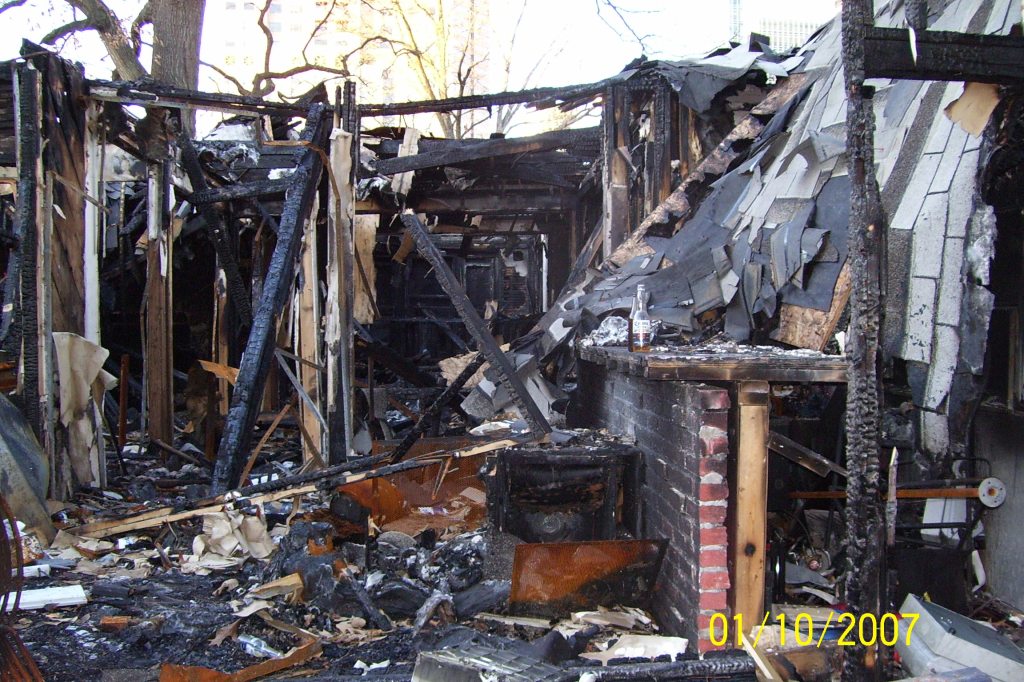
The bar next door to my office trailer caught fire and was mostly destroyed:
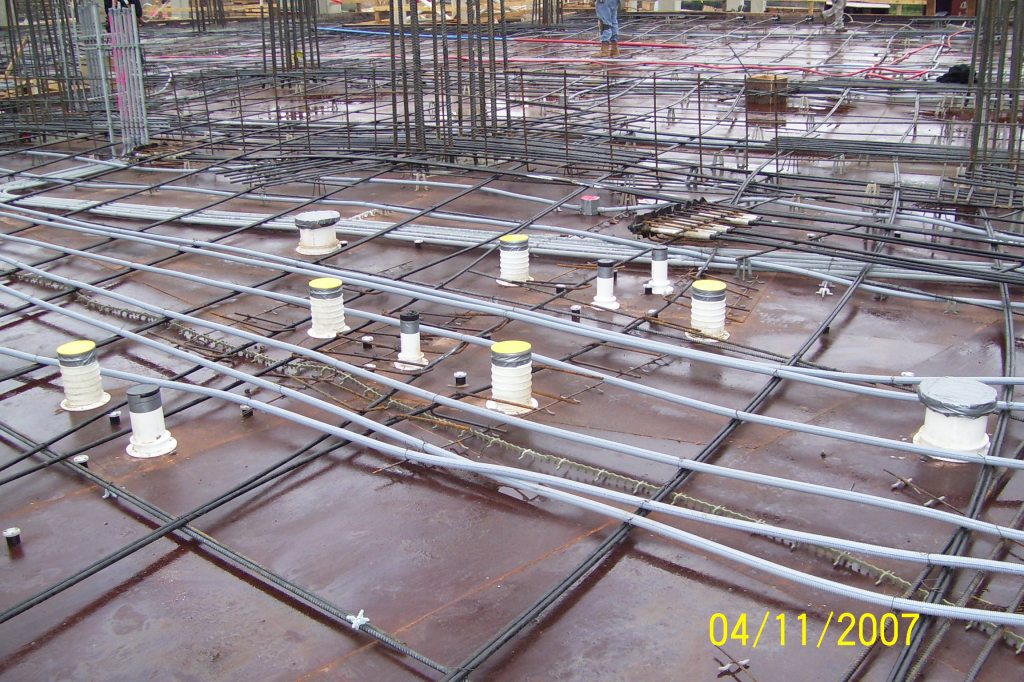
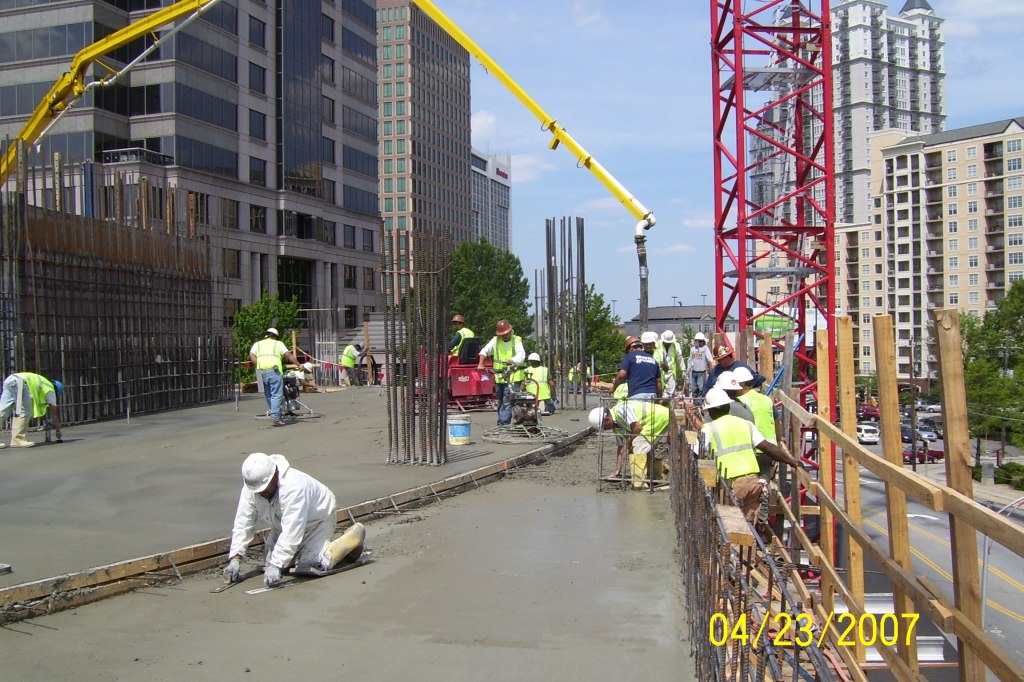
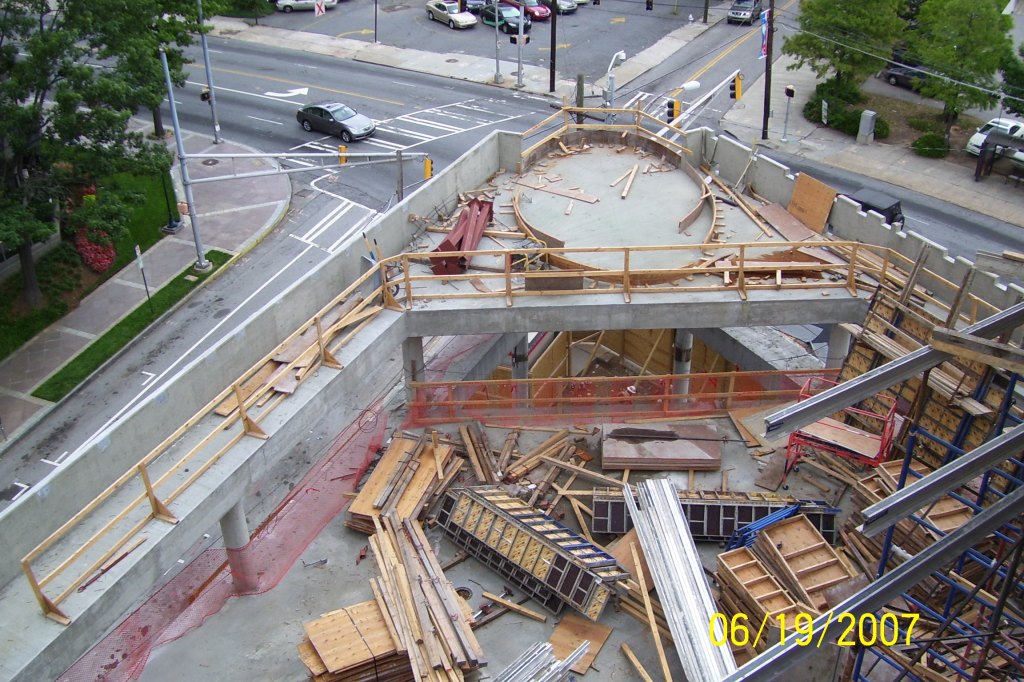
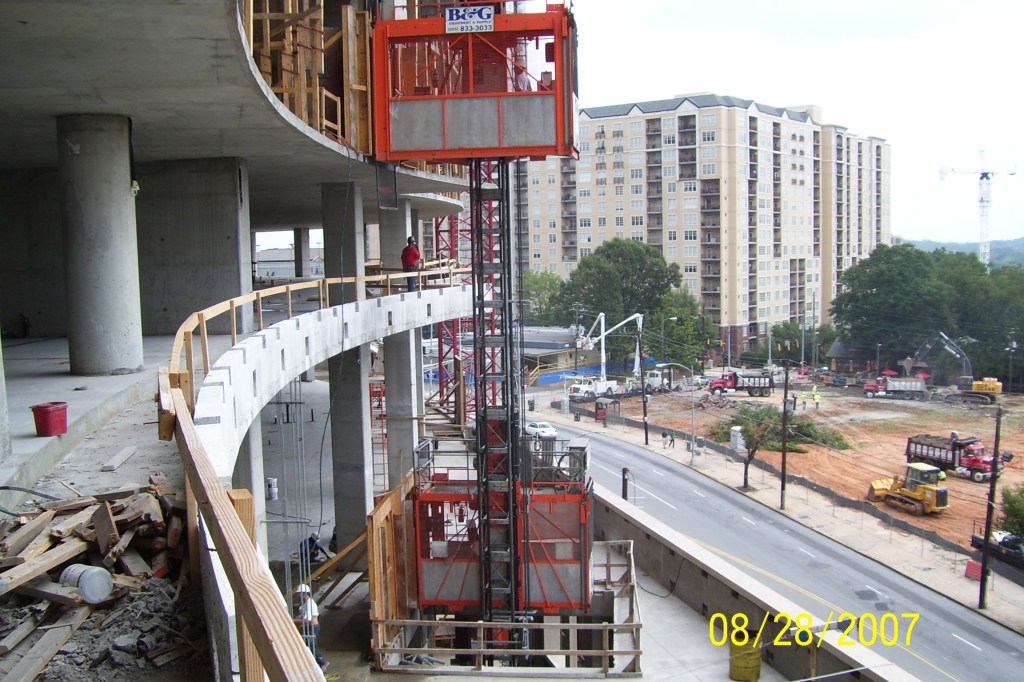
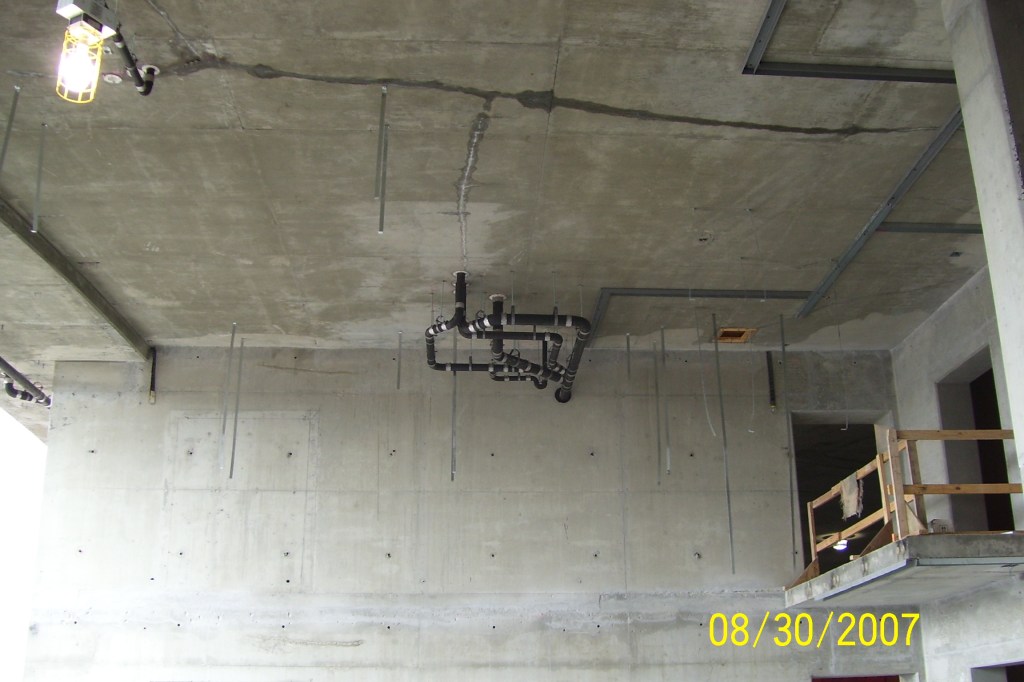
We had over 10,000 sleeves on this project. I created the sleeve layout drawings, and Eugene Snyder supervised their installation. Being post-tension slabs, it was important to install them right.
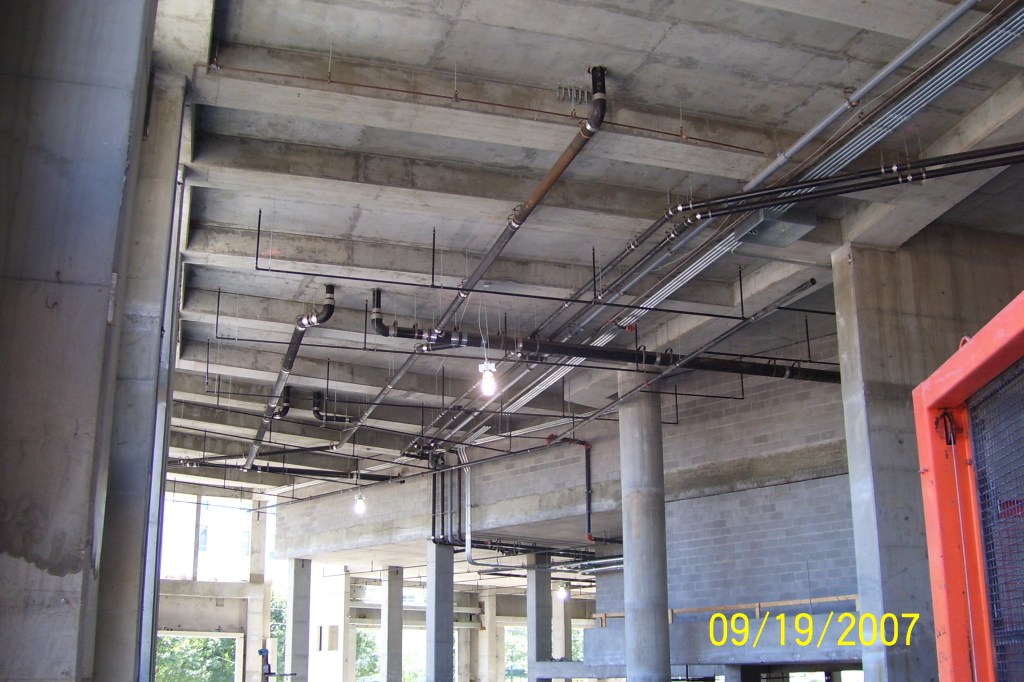
We also installed hanger inserts for all horizontal sanitary, rain water, domestic water, and gas piping that needed to be hung.
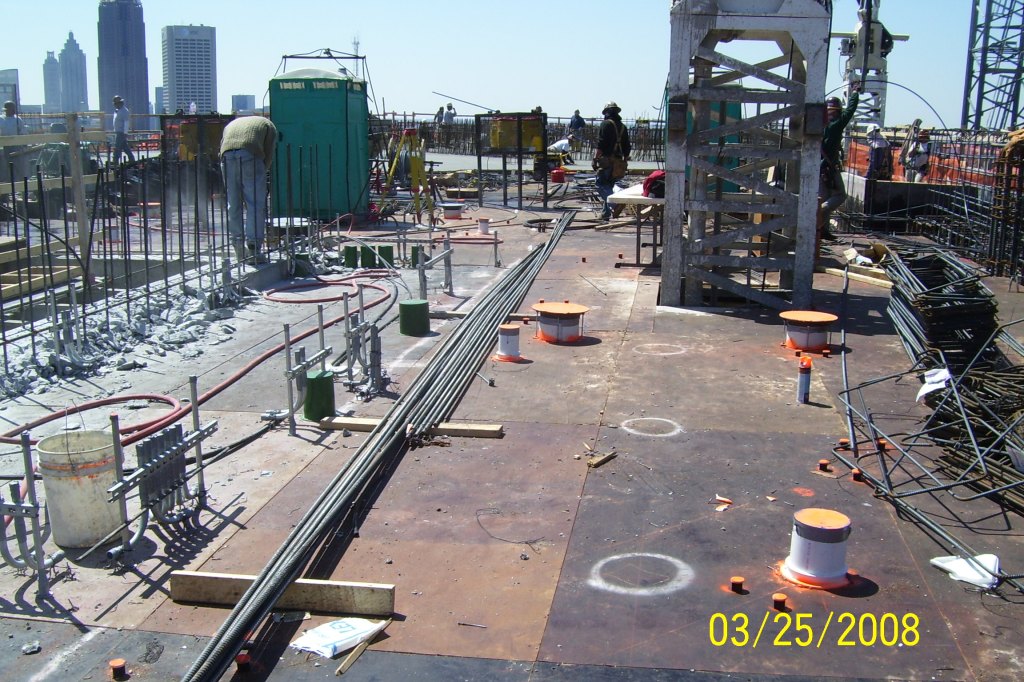
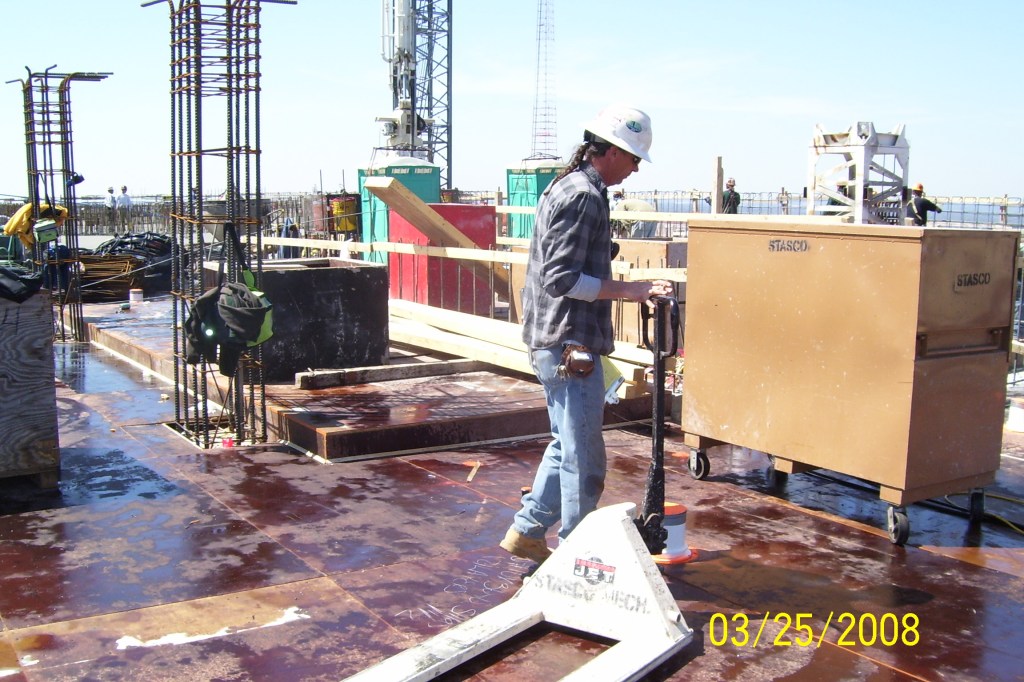
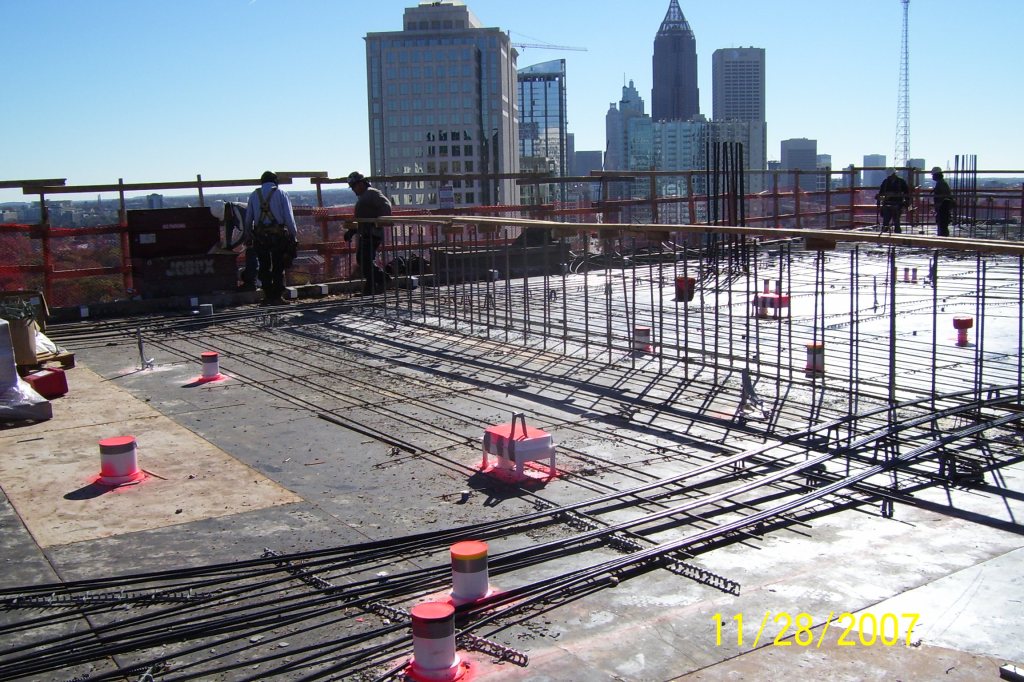
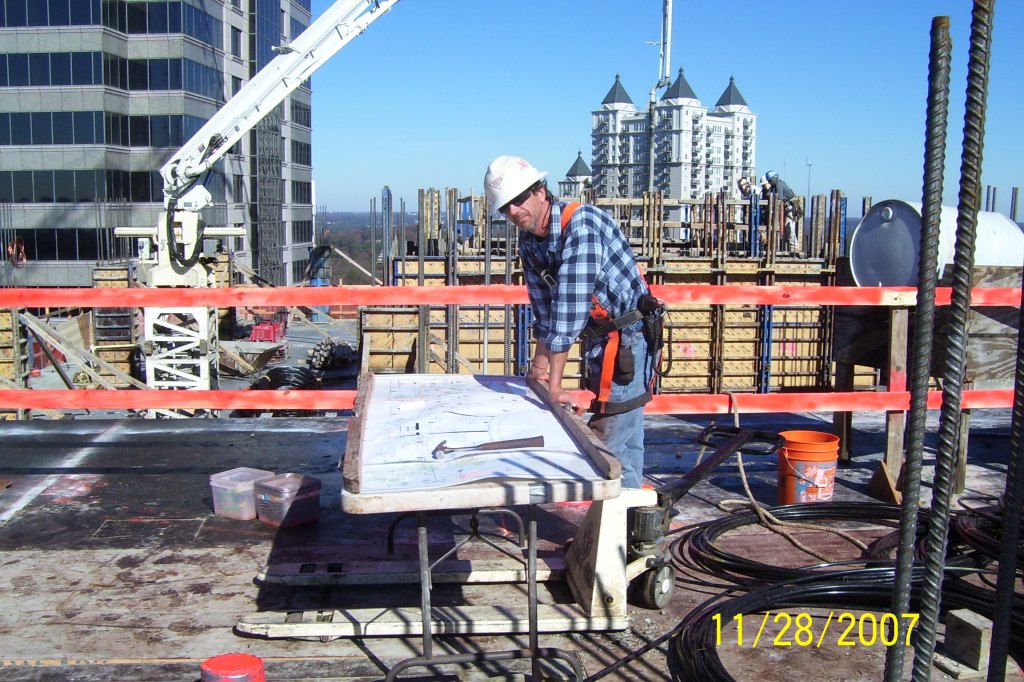
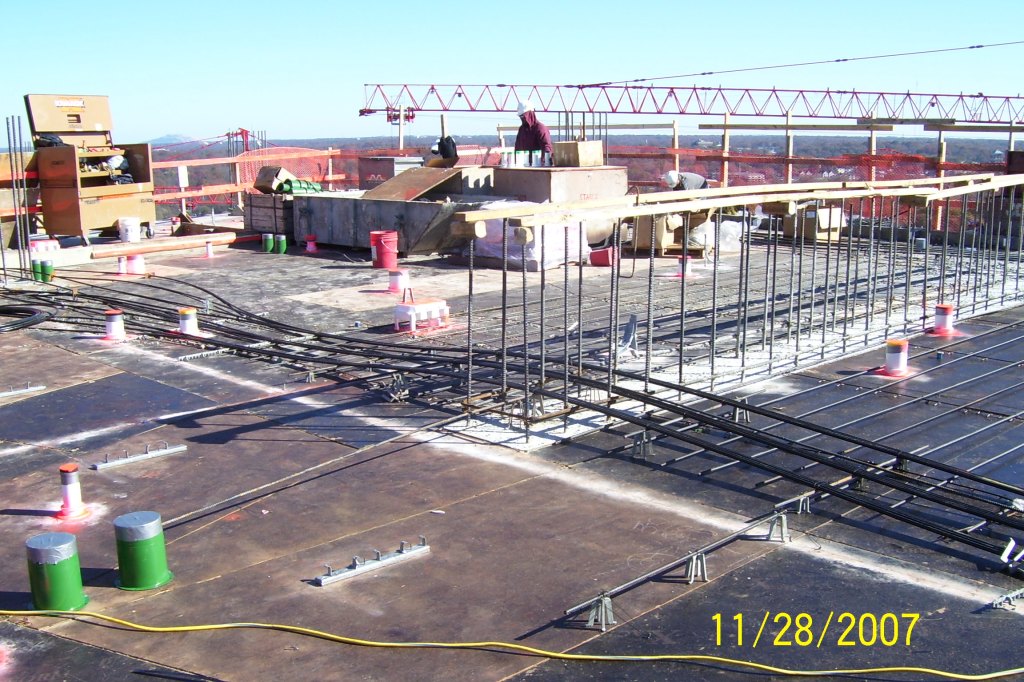
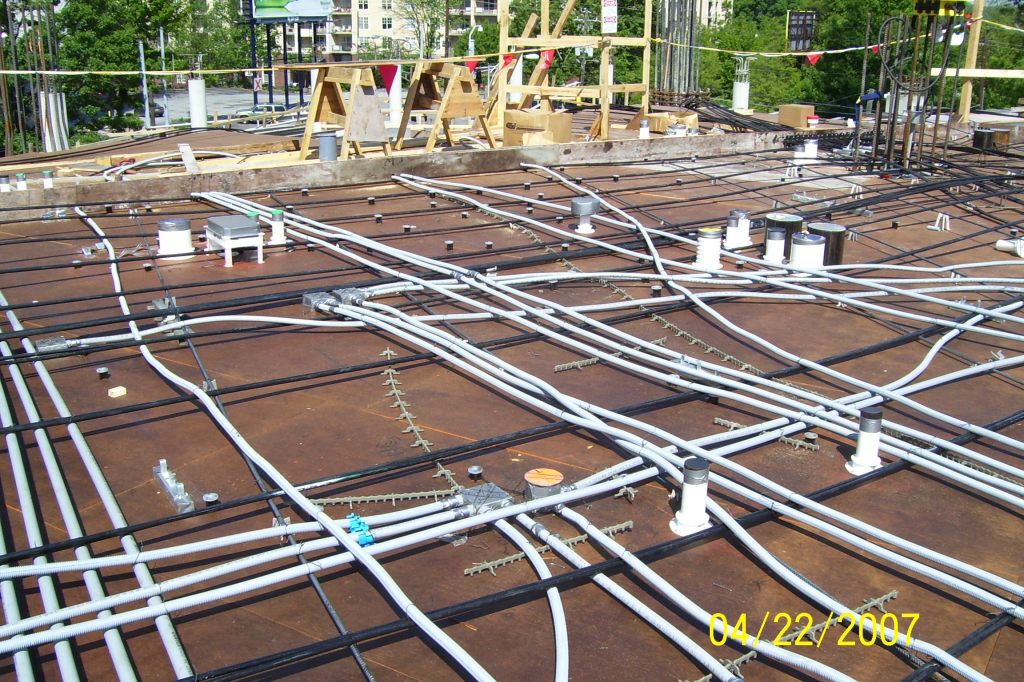
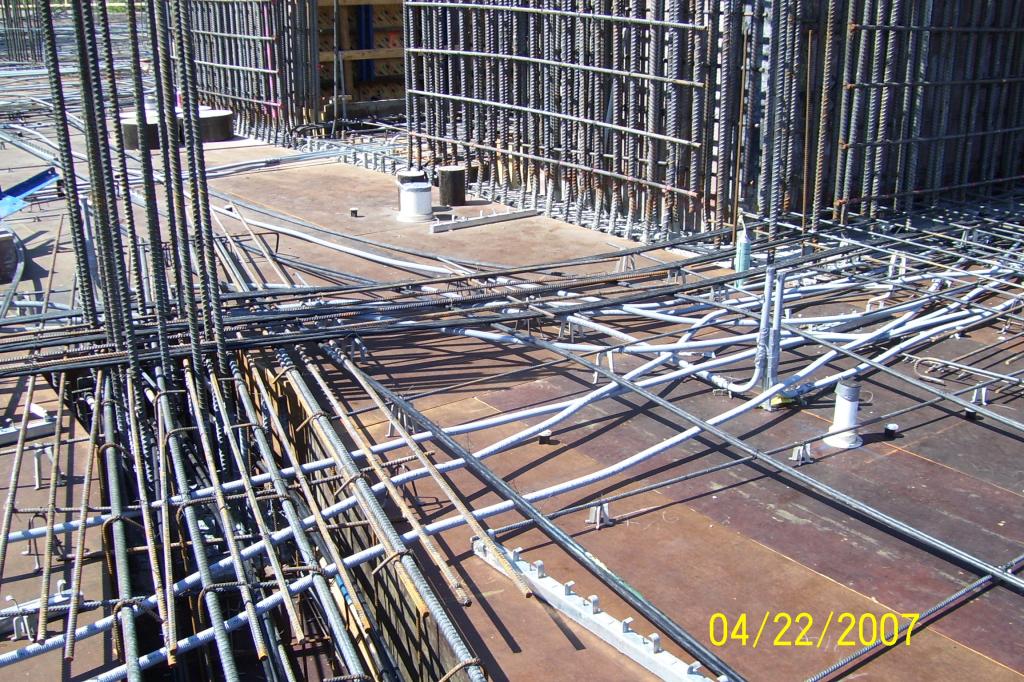
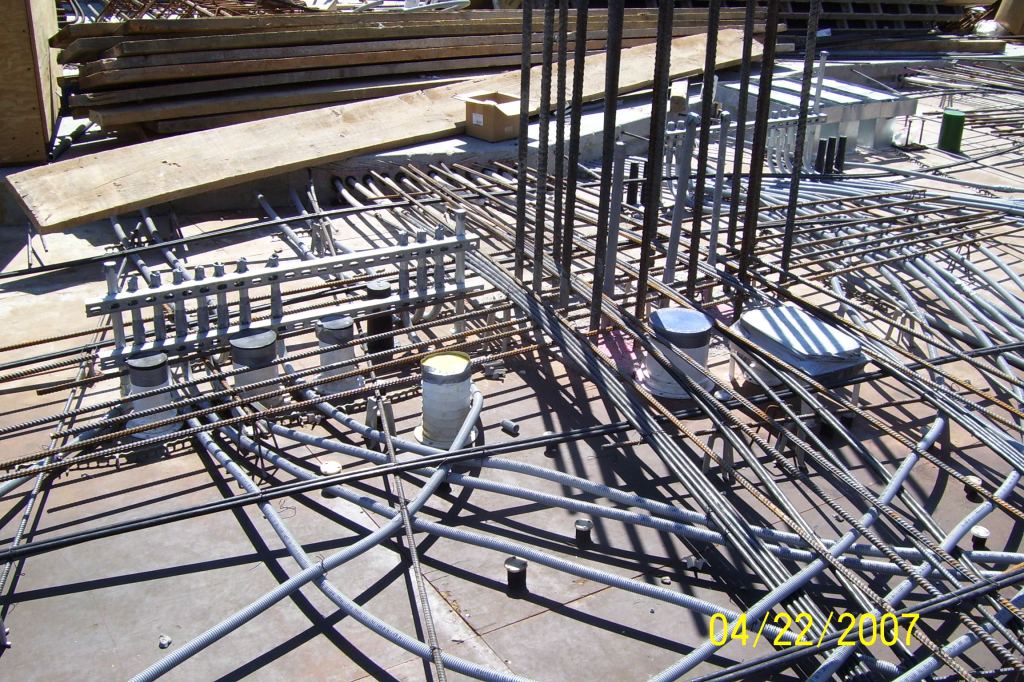
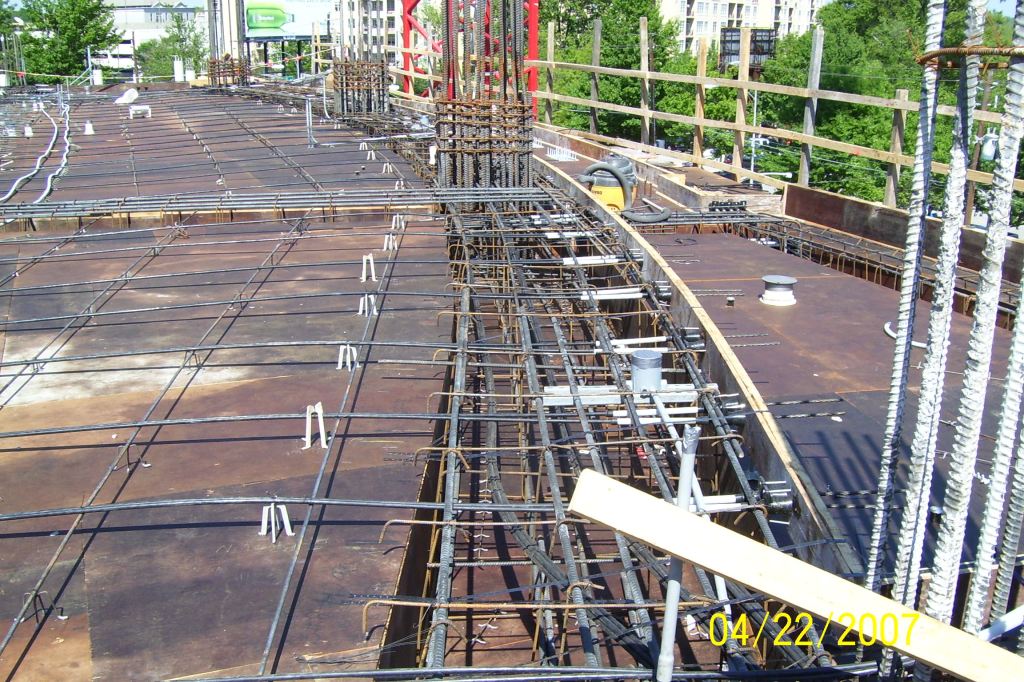
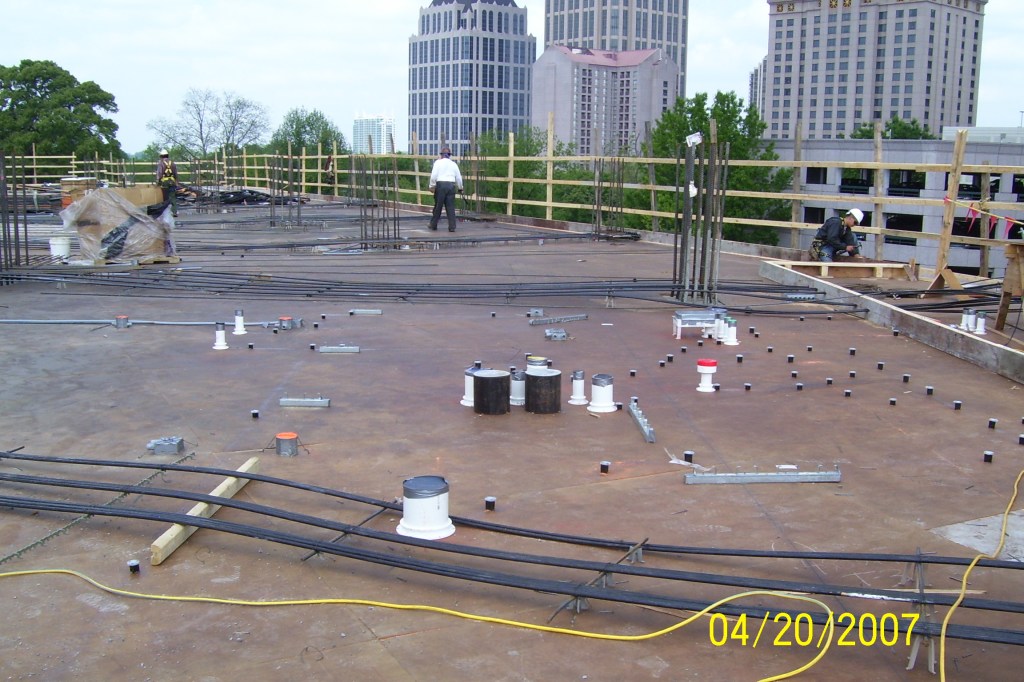
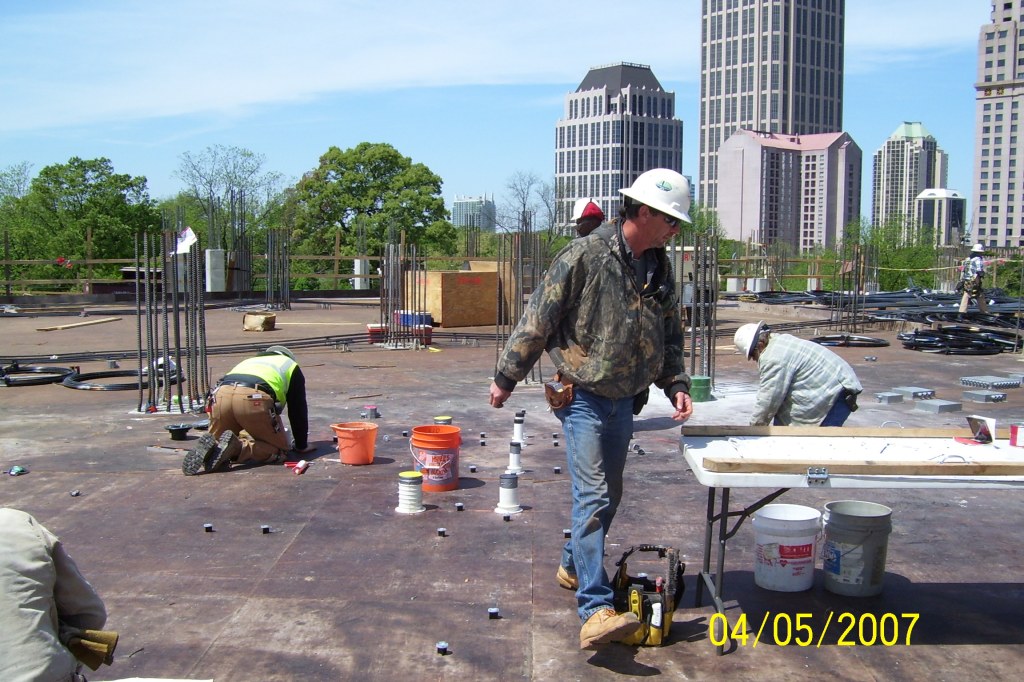
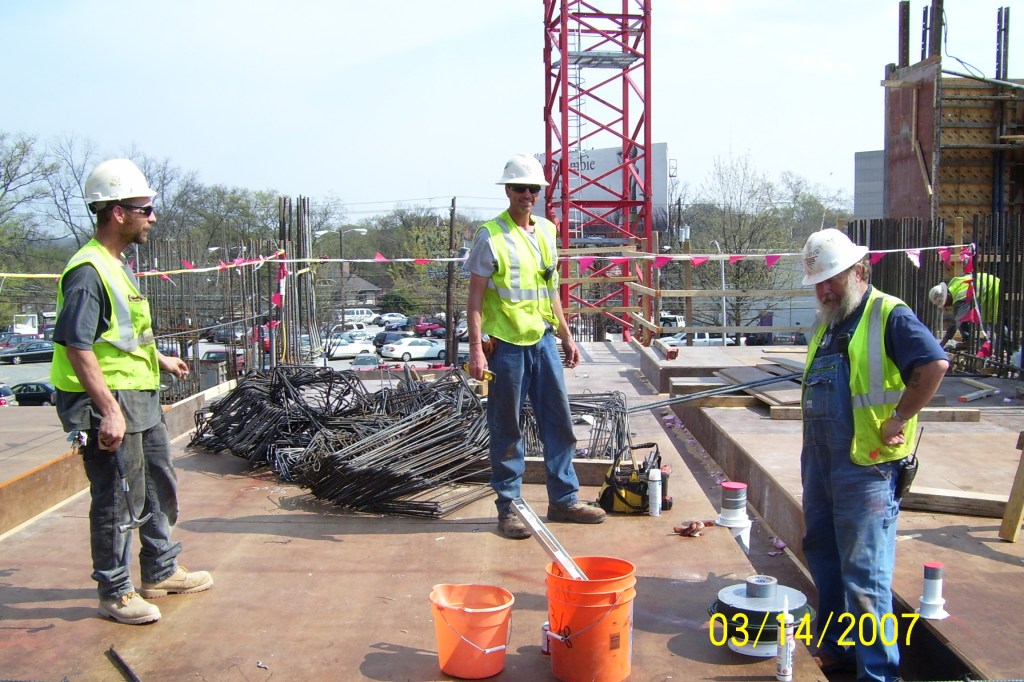
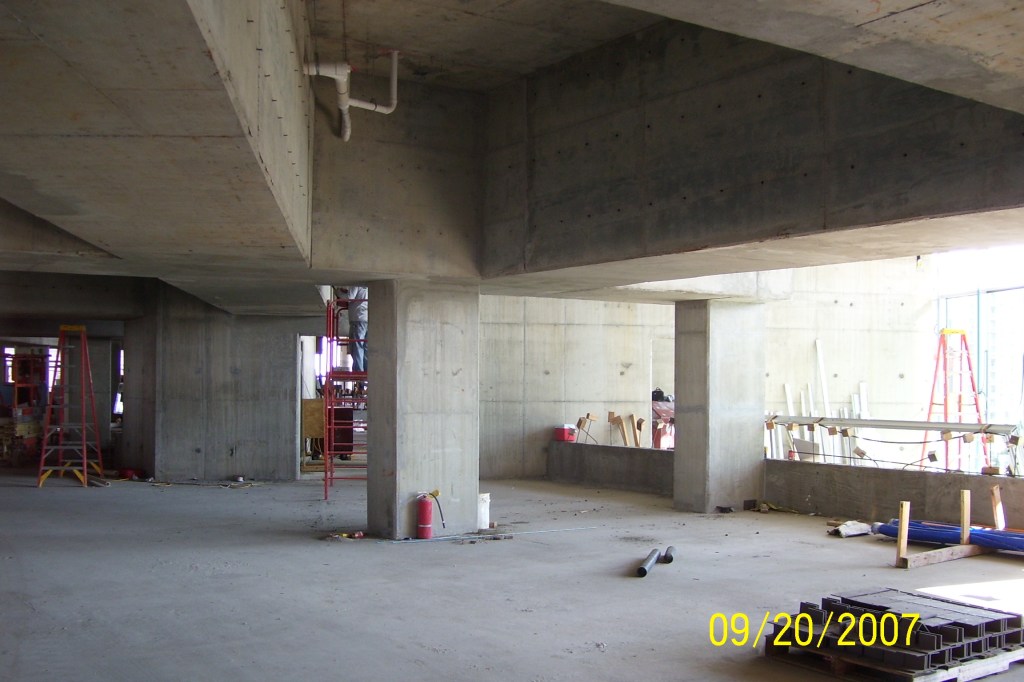
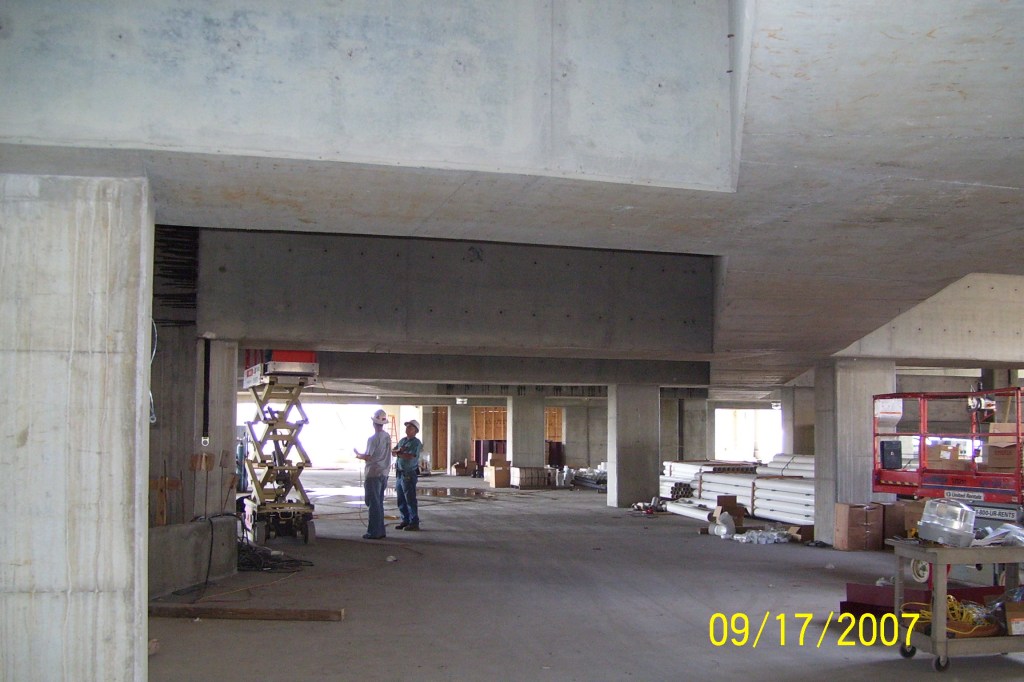
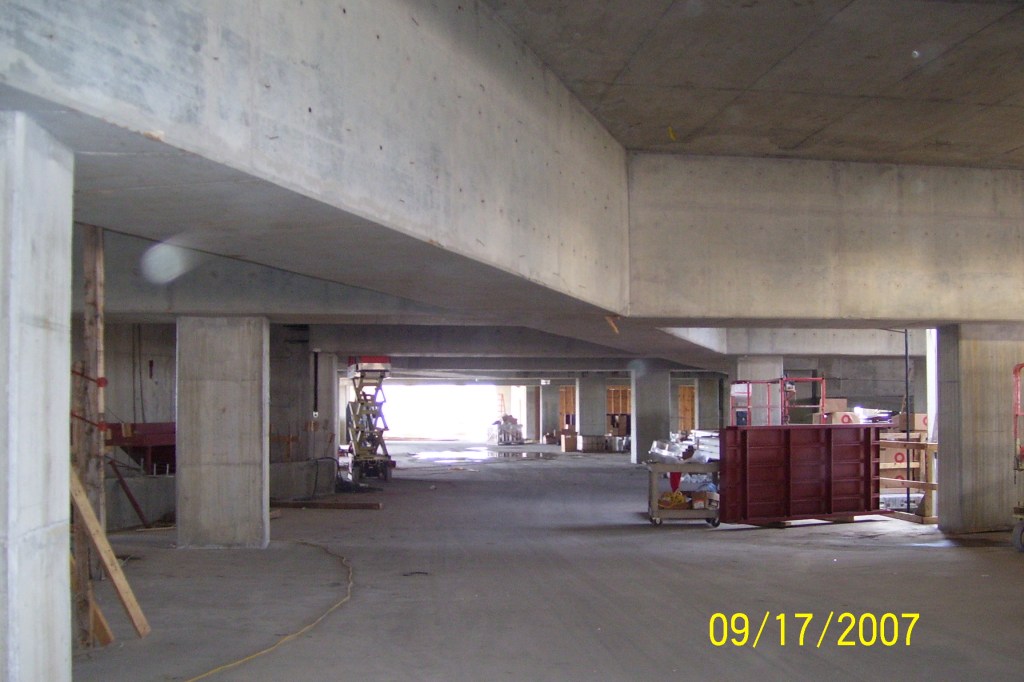
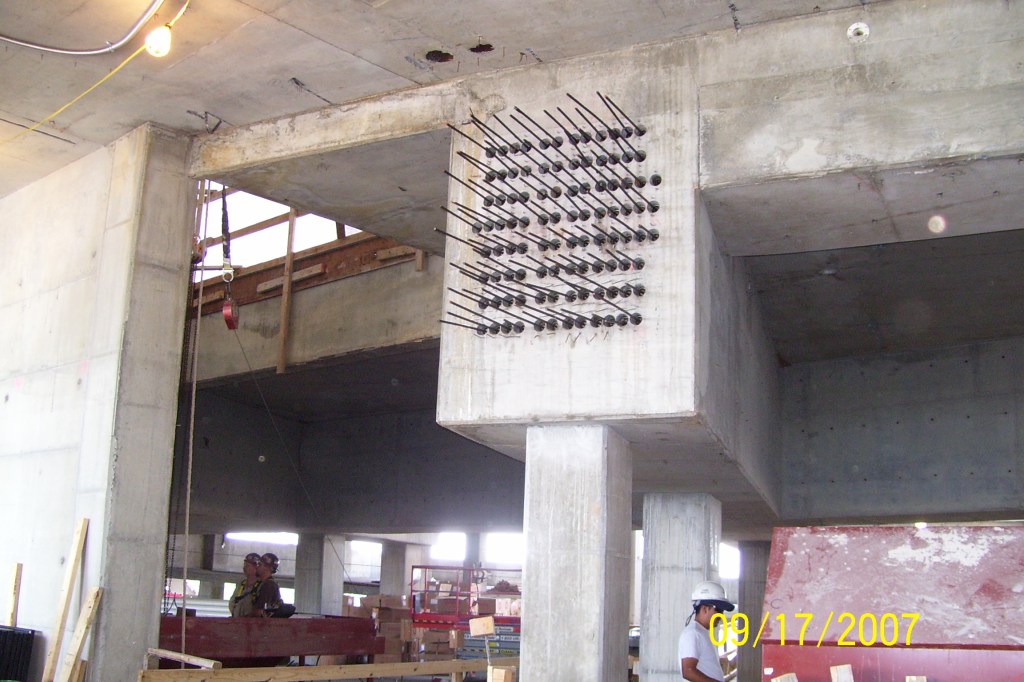
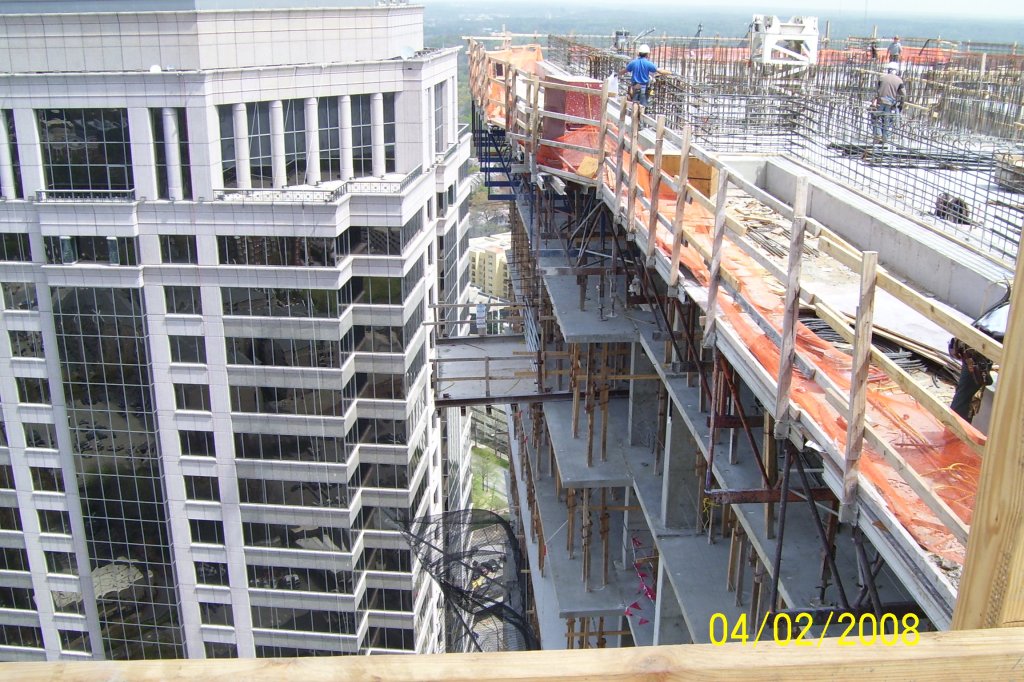
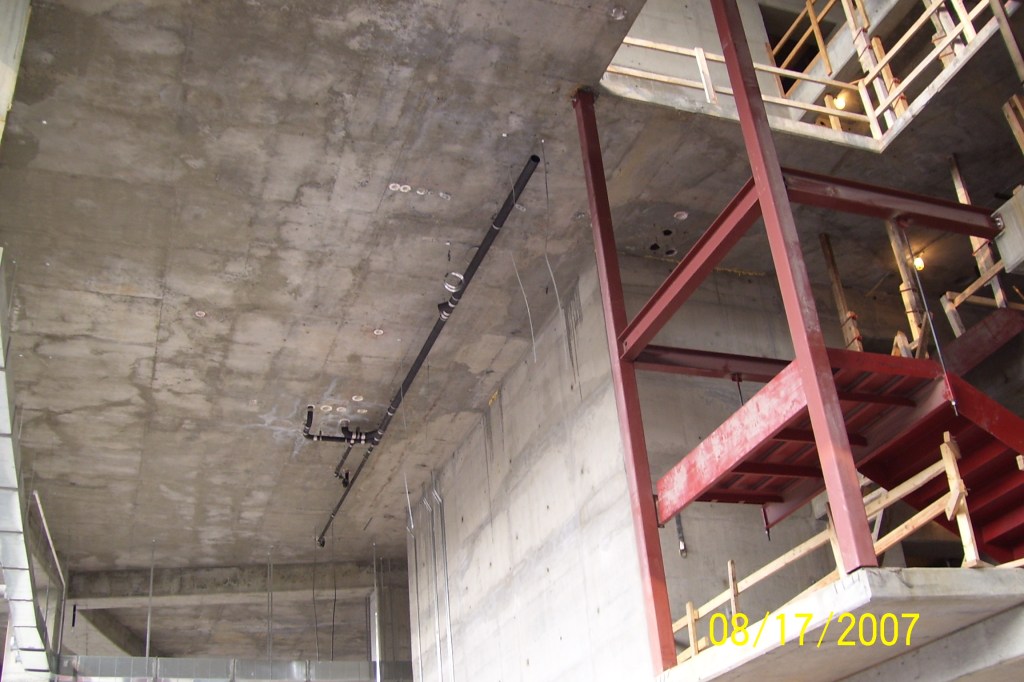
The 8th floor was particularly challenging. There were quite a few massive beams due to the swimming pool and some of the columns relocating on the 8th floor. And of course, some of our plumbing stub-ups were hitting in the beams. We also needed to sleeve various places to enable the plumbing beneath to pass through the beams to keep it up high enough for clearance on the floor below. I had to get prior approval from the structural engineer for all beam penetrations.
These large beams were over 5 feet deep, and had 100+ post tension cables running through each of them.
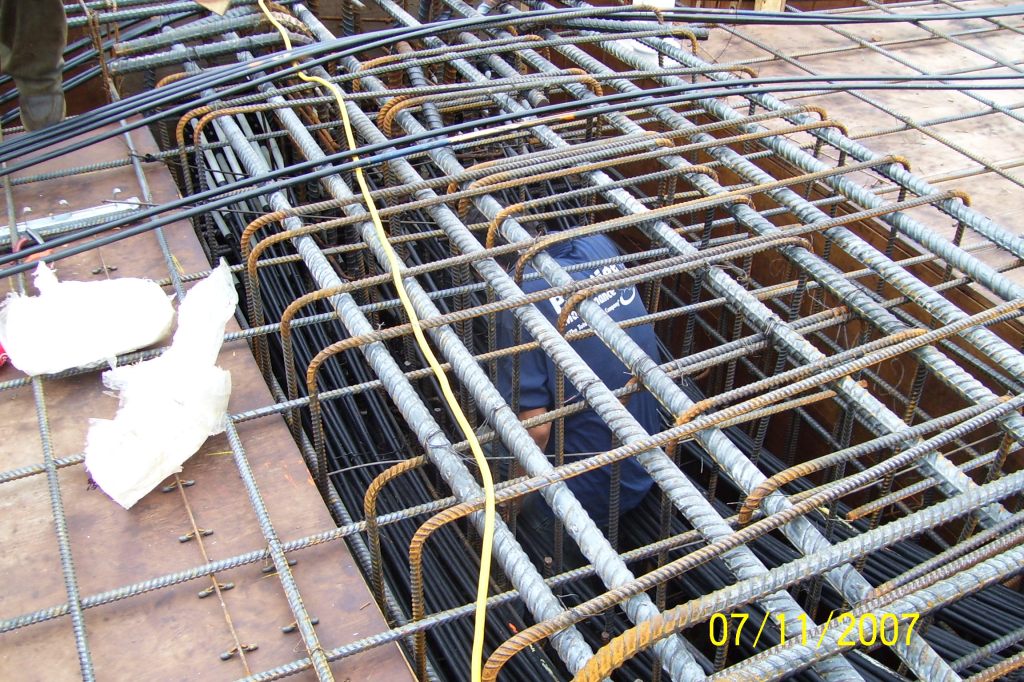
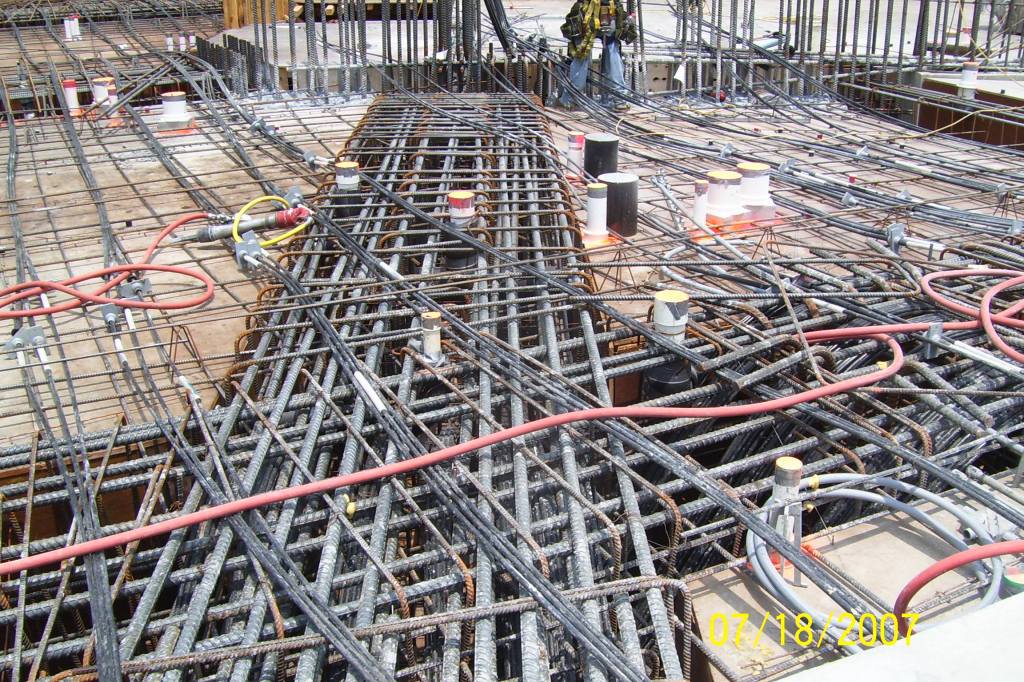
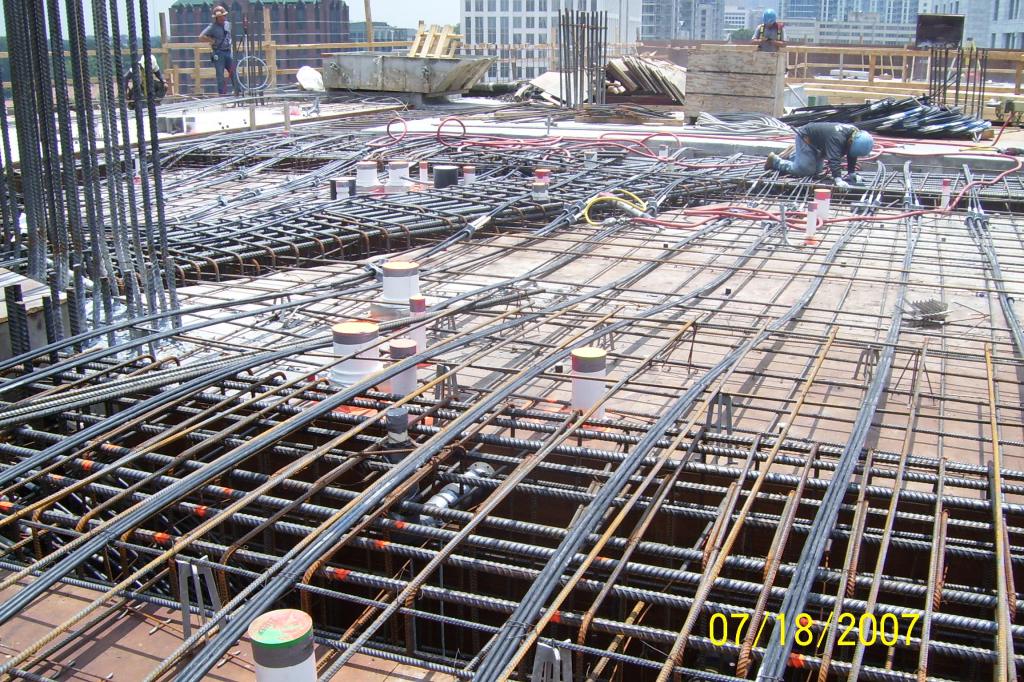
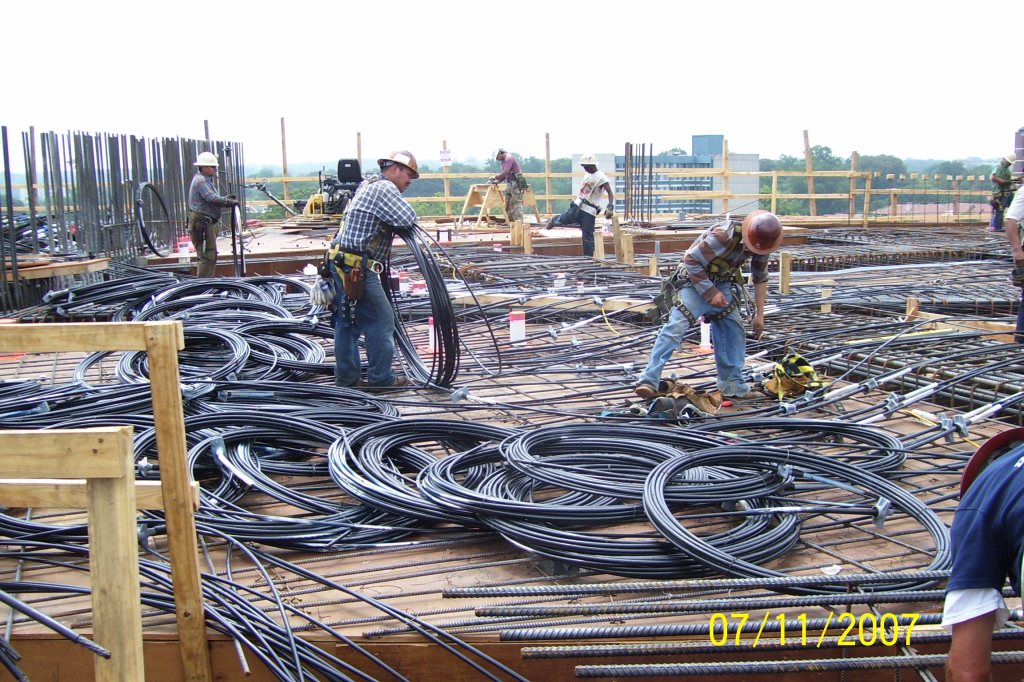
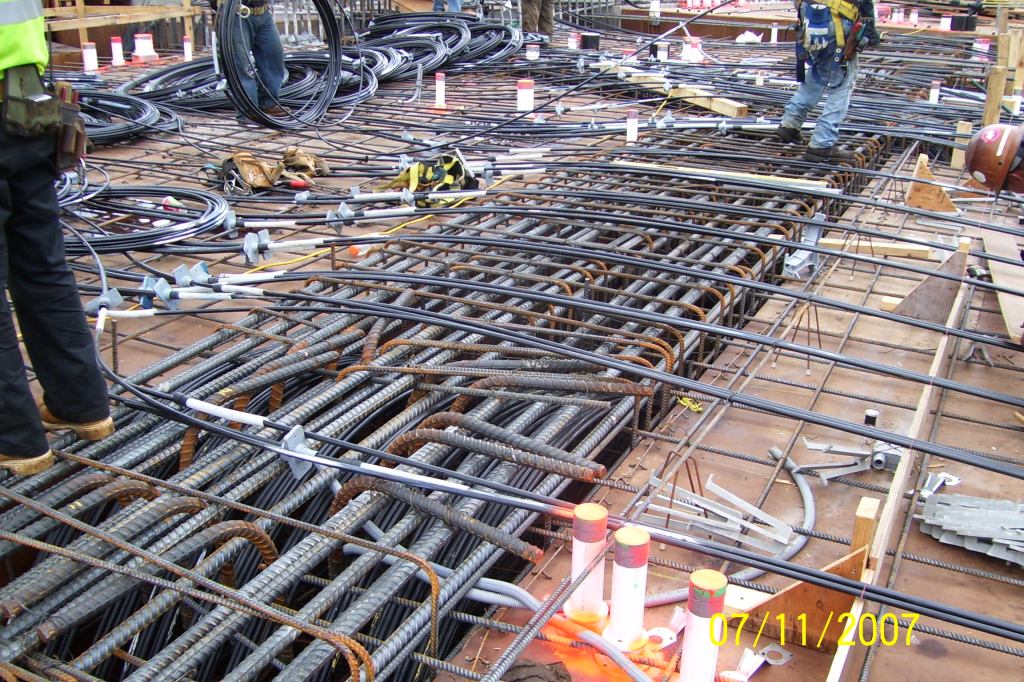
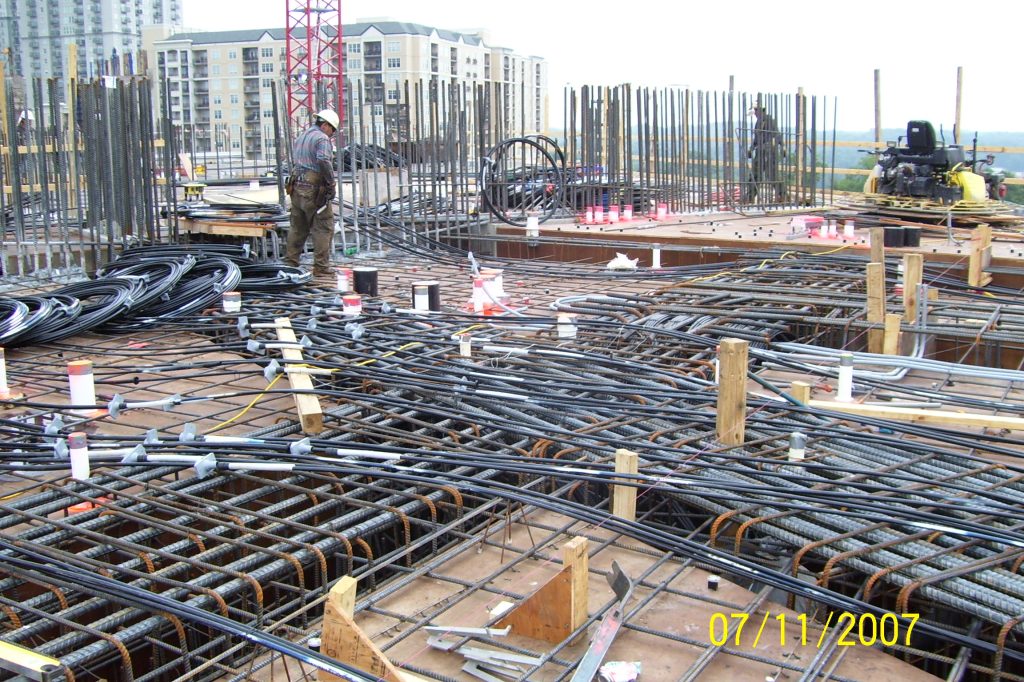
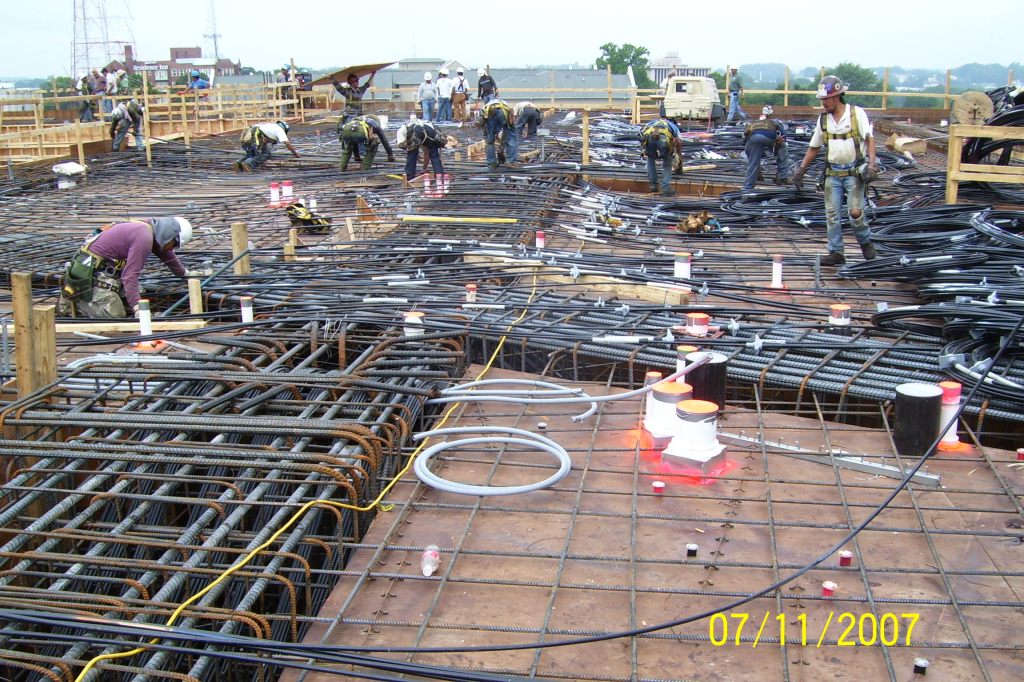
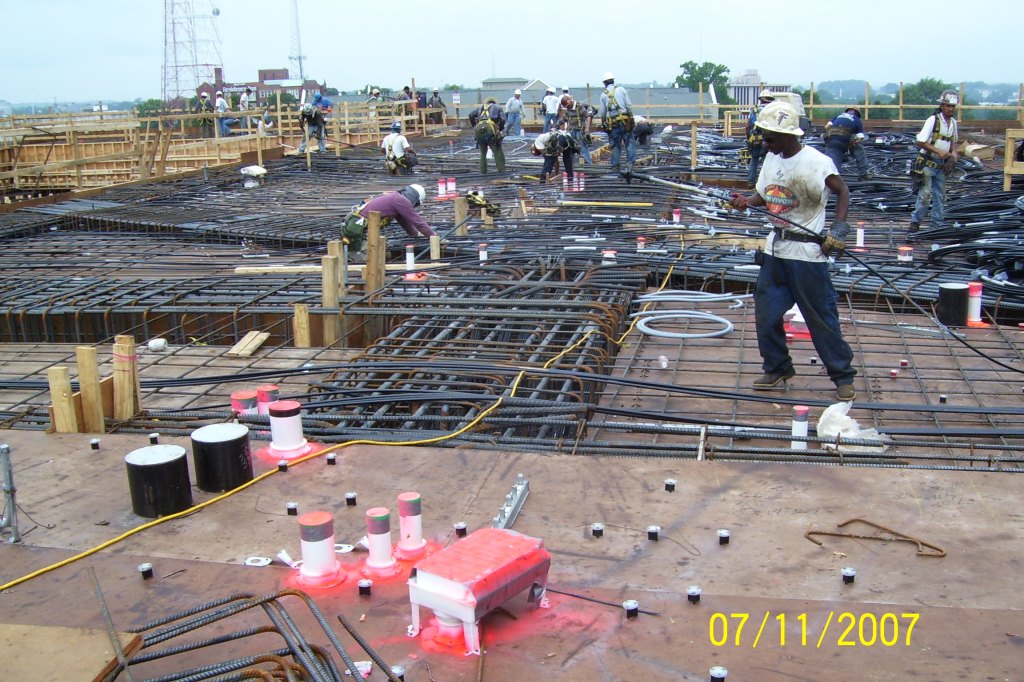
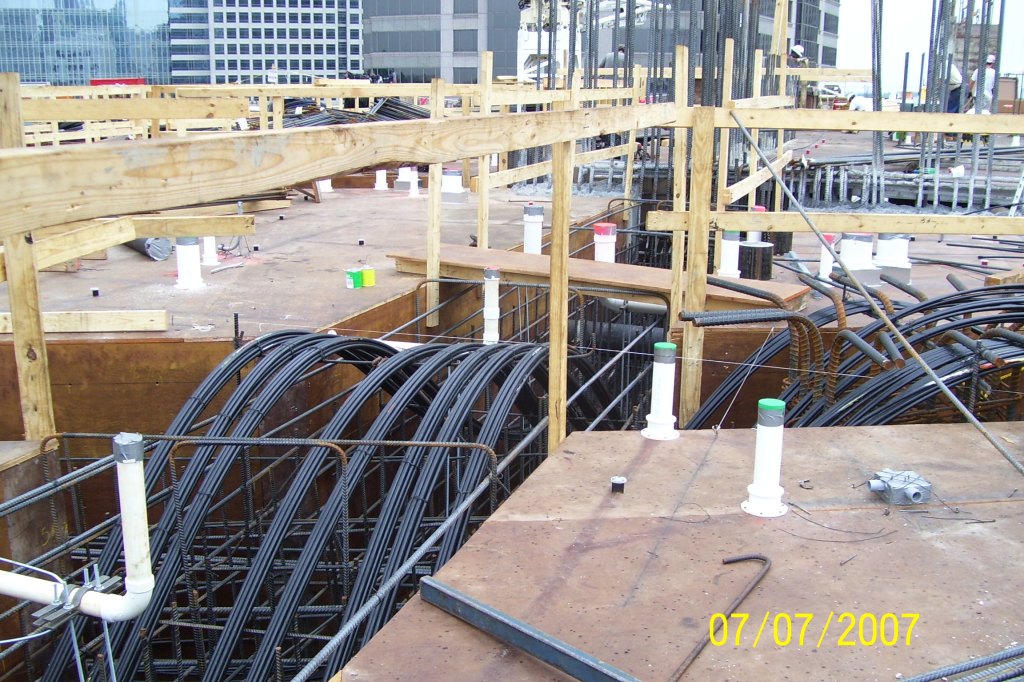
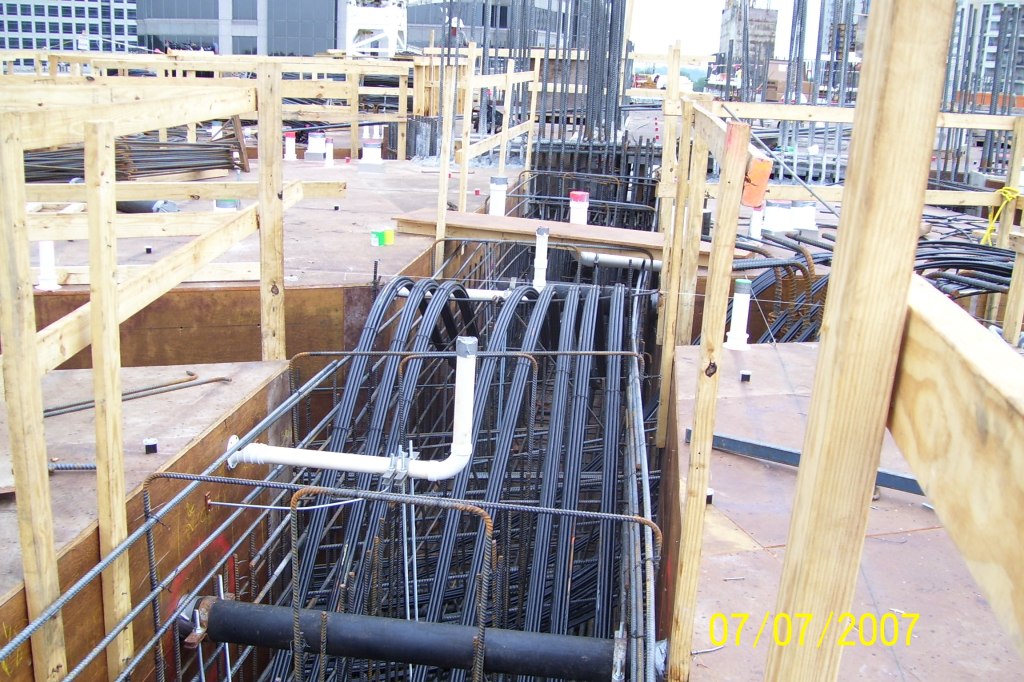
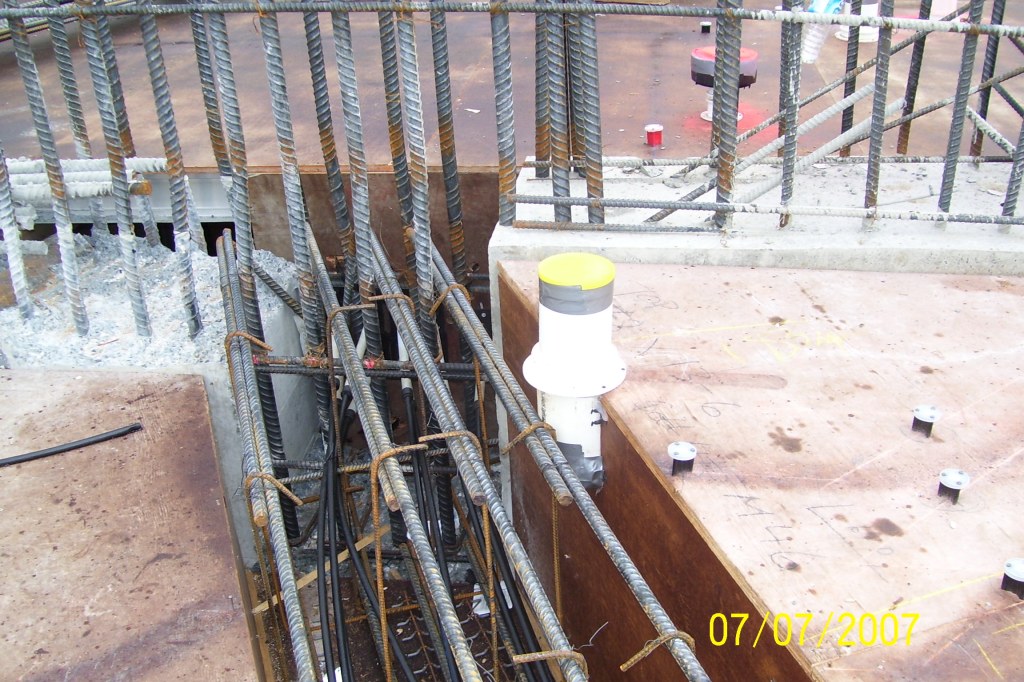
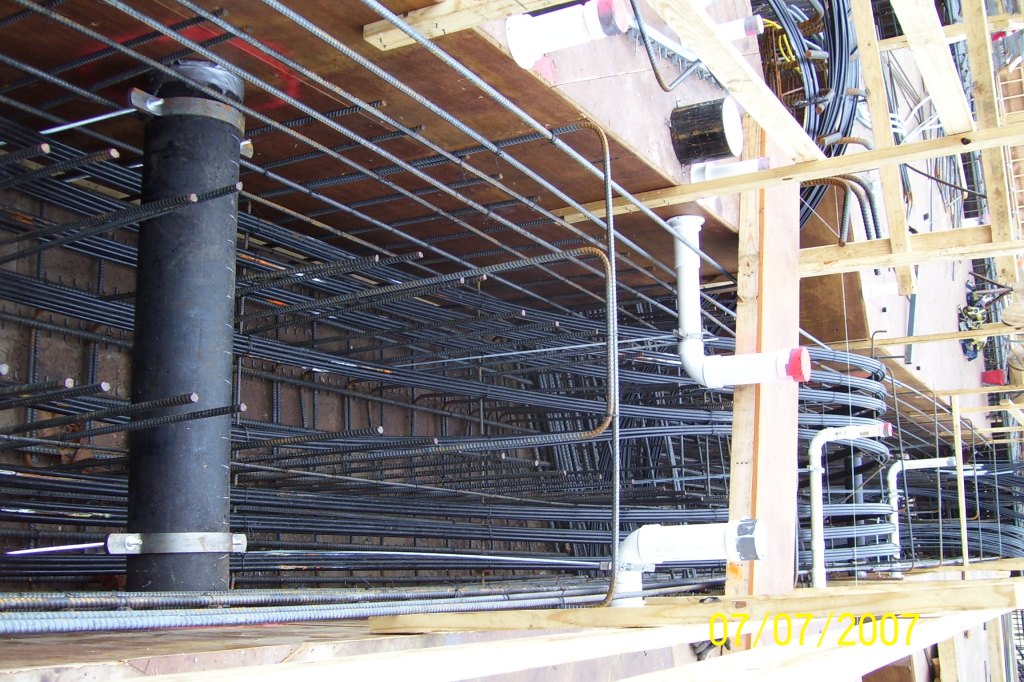
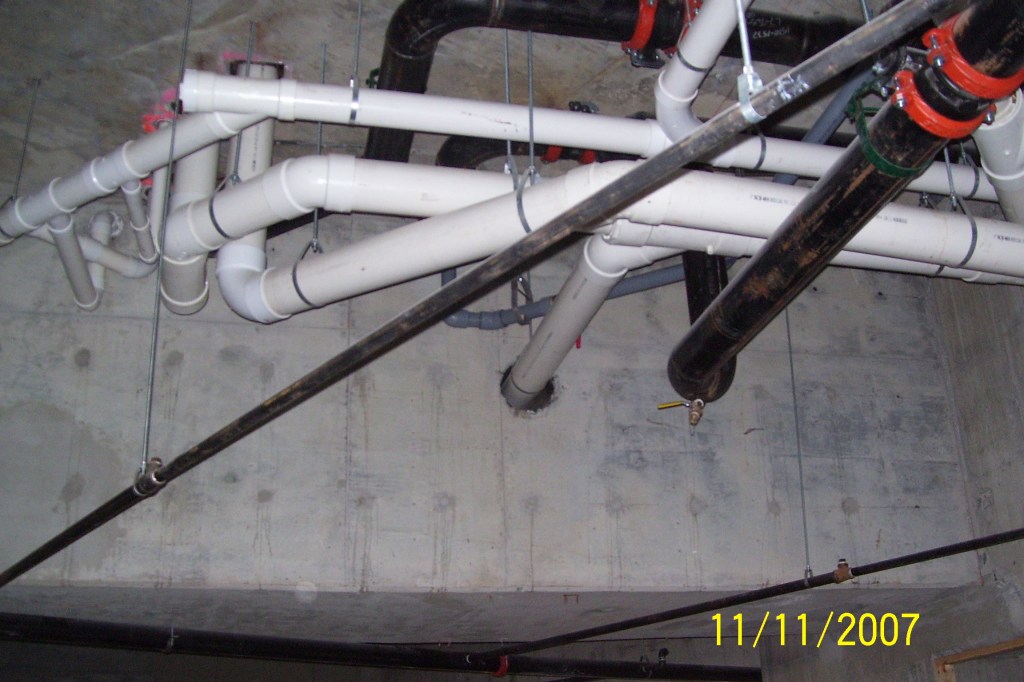
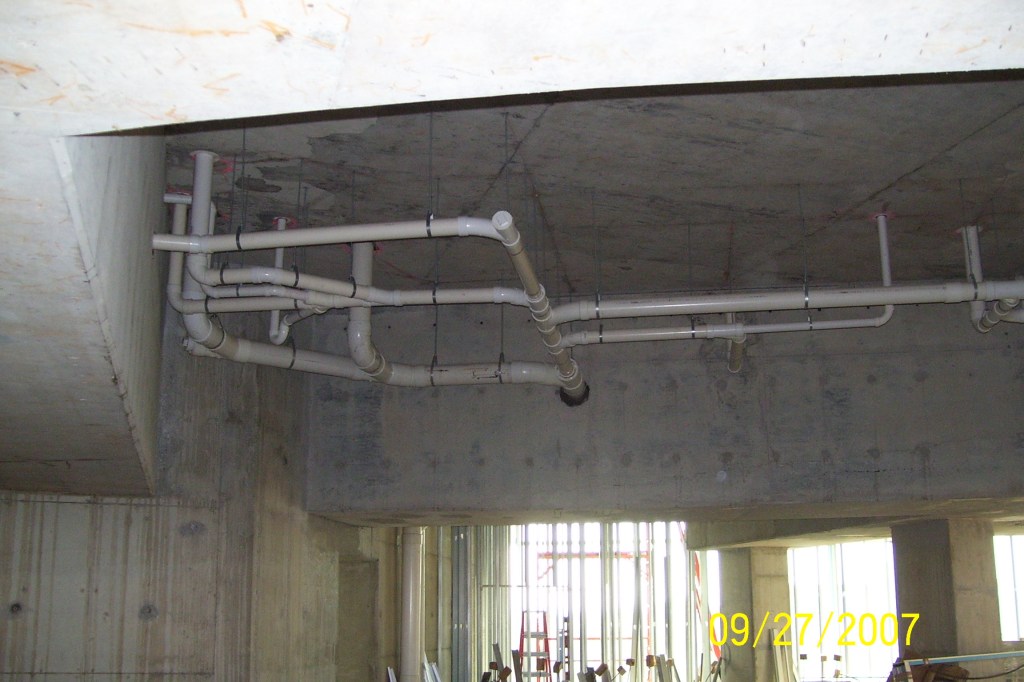
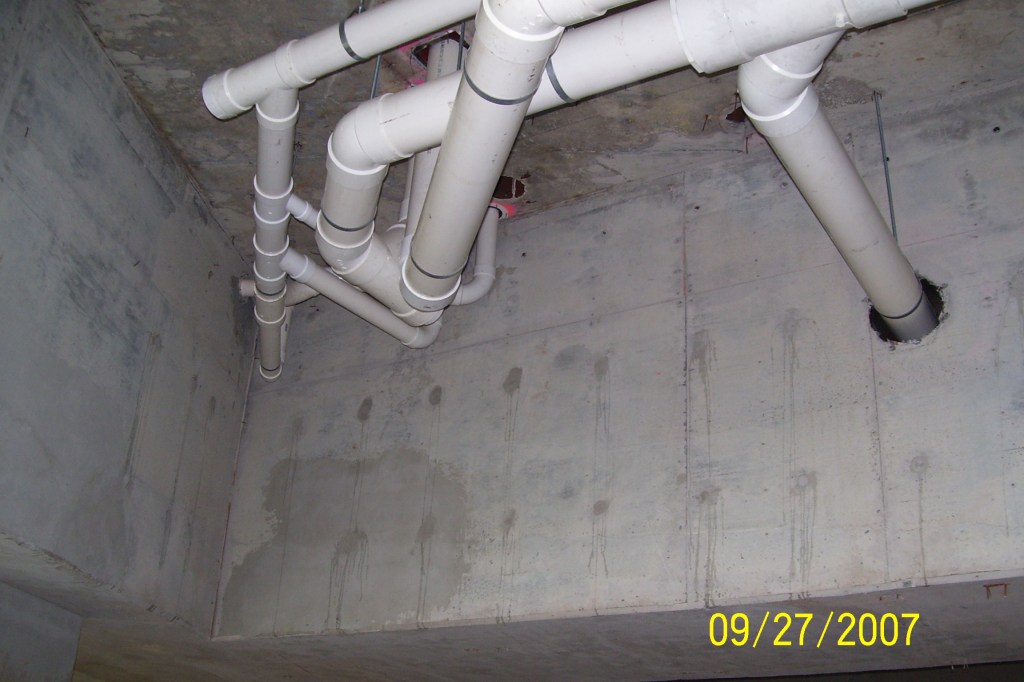
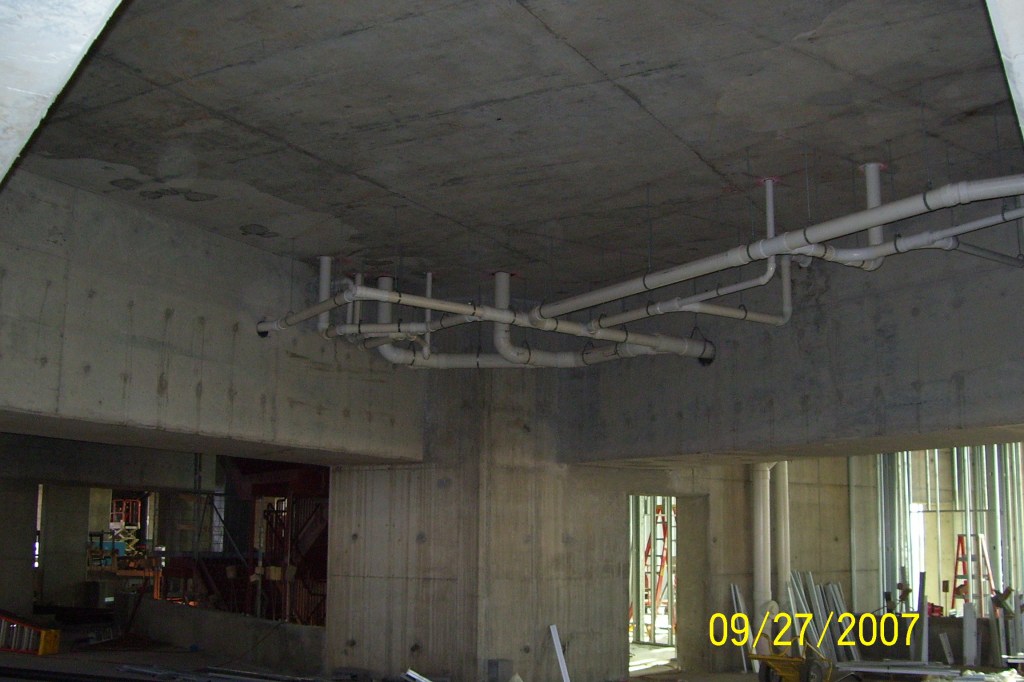
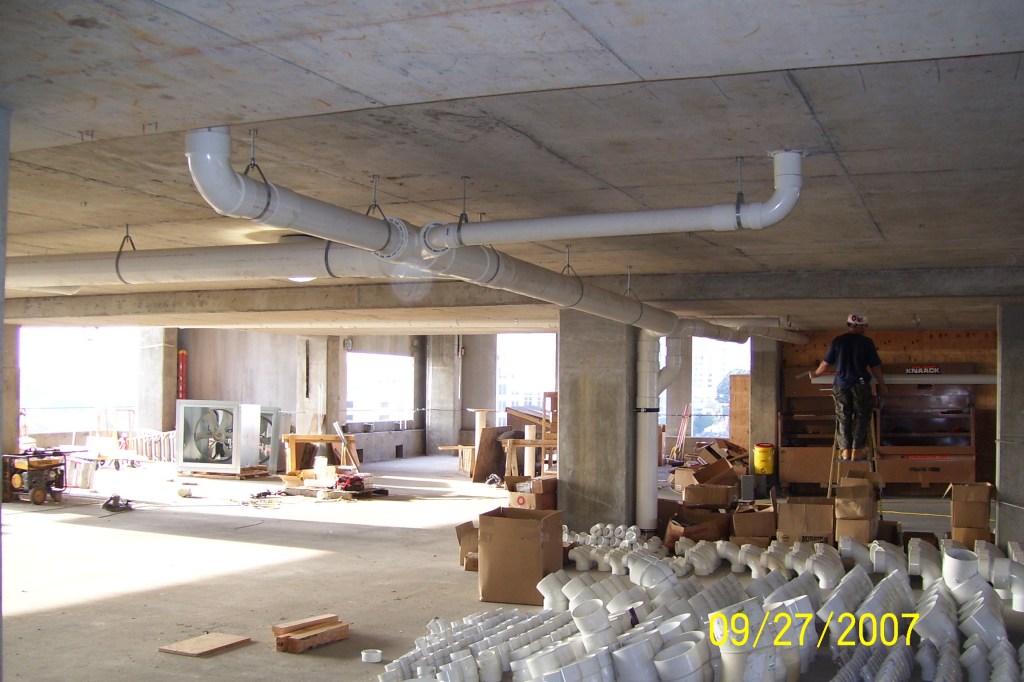
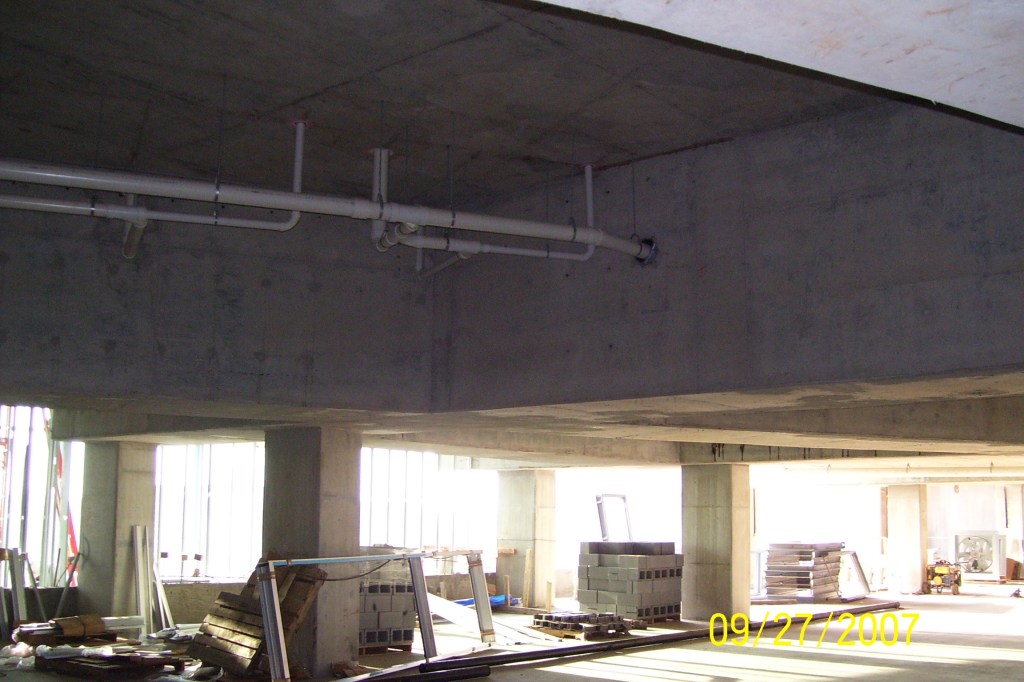
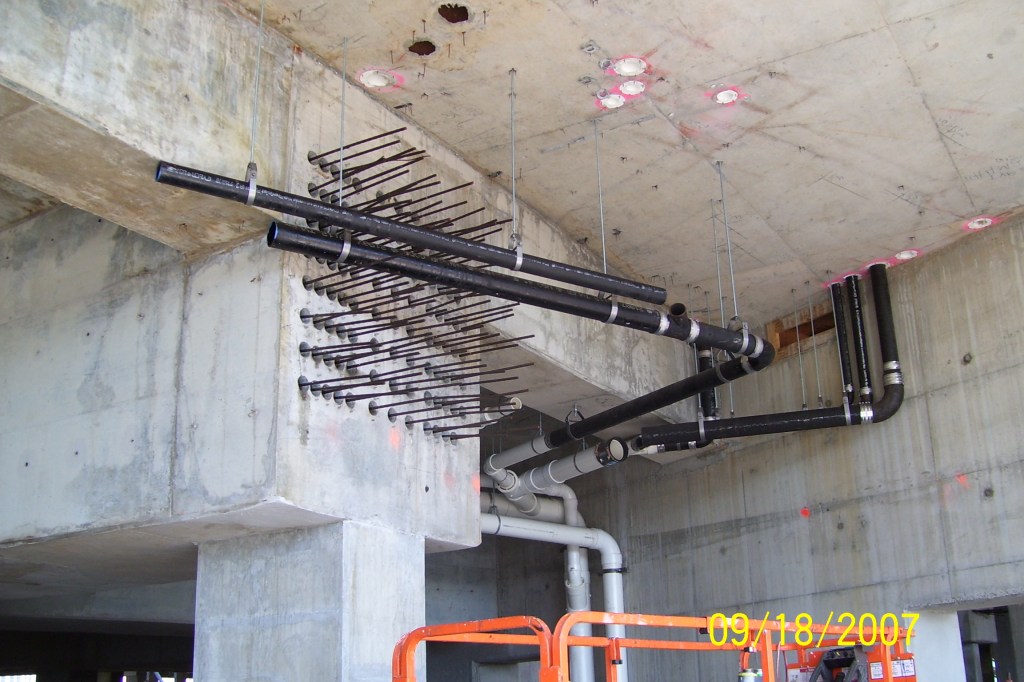
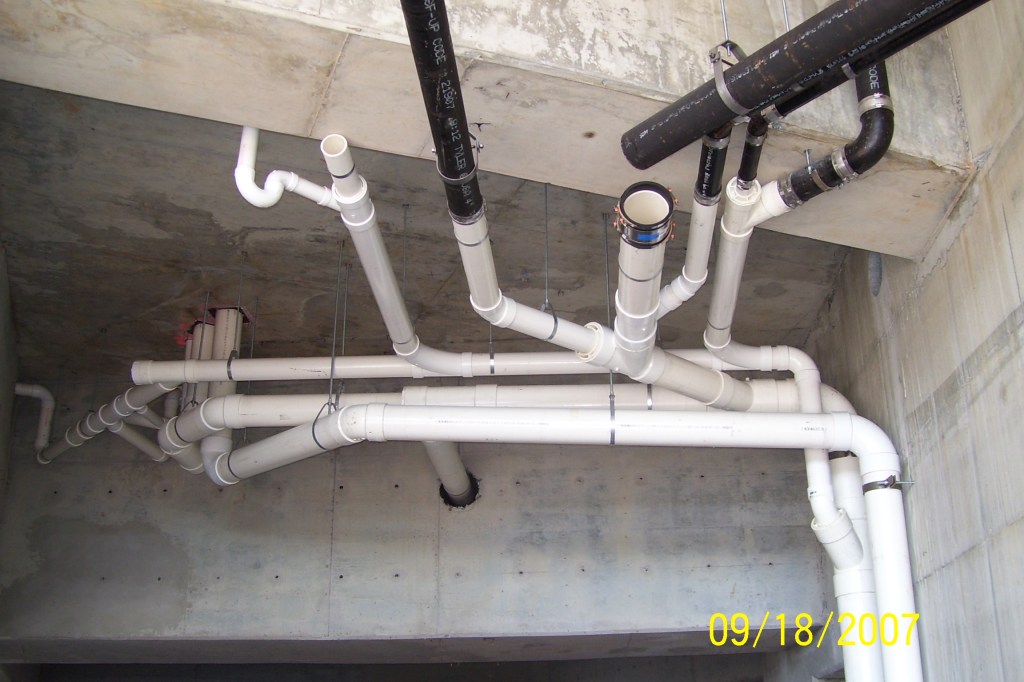
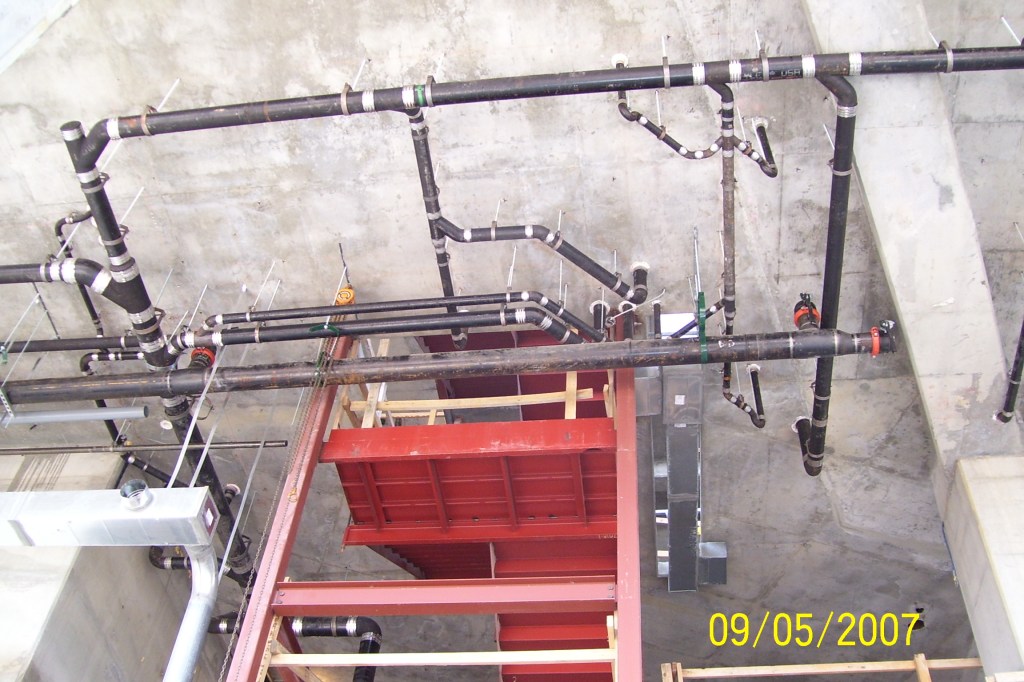
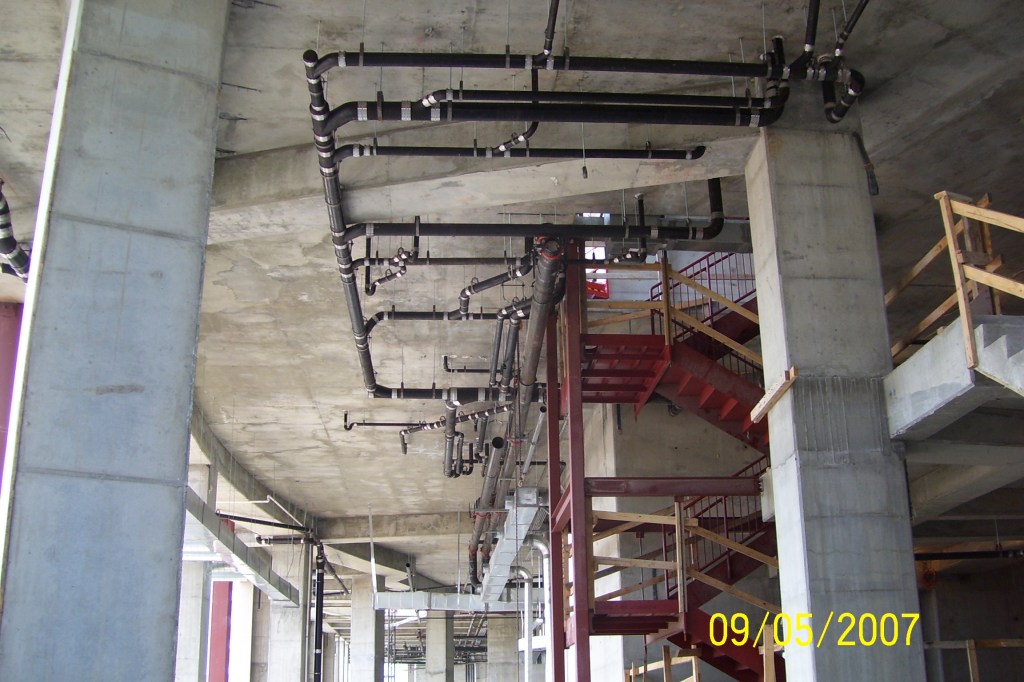
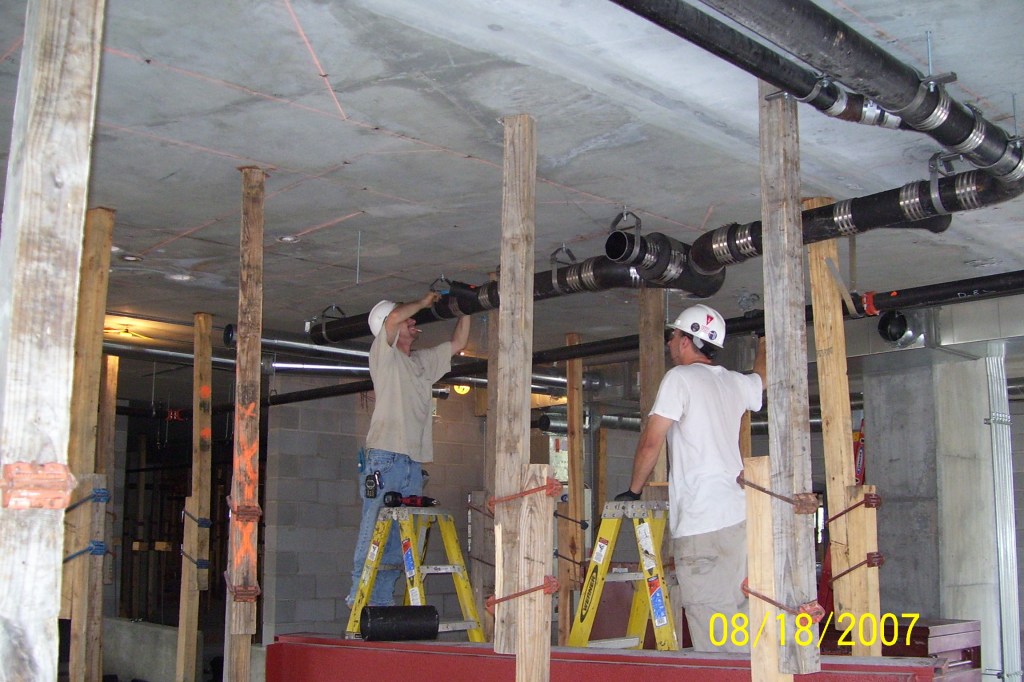
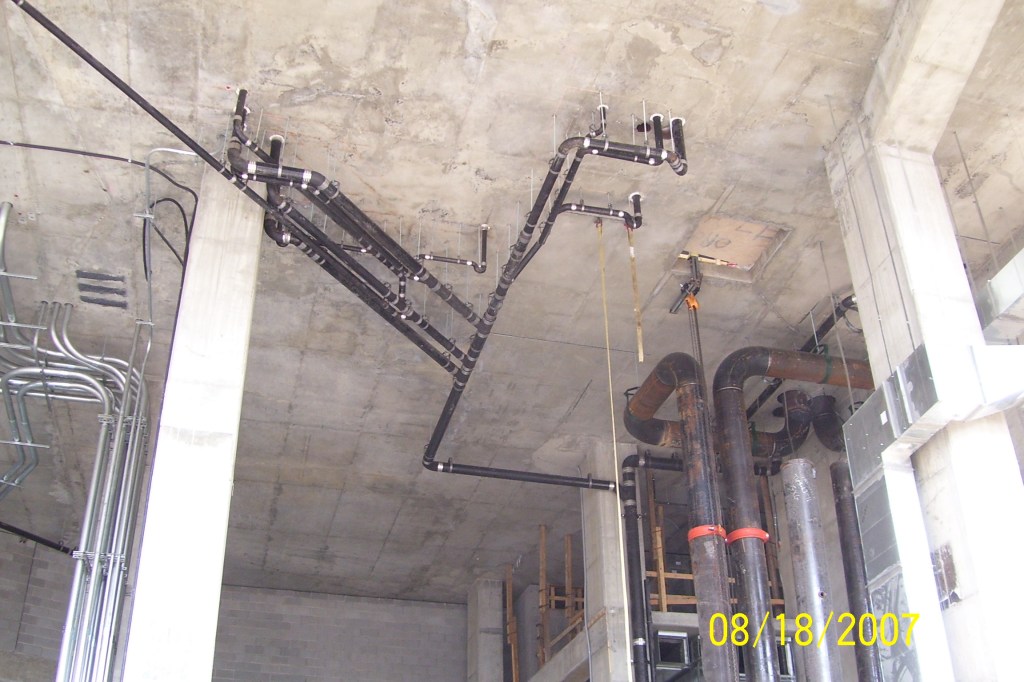
The piping beneath the 8th floor; note the sleeves through the beams. I had to plot out all of the routing and elevations for the piping. Without this planning and sleeving, all of the drainage piping would have had to be installed below the beams, which would have put it all way too low.
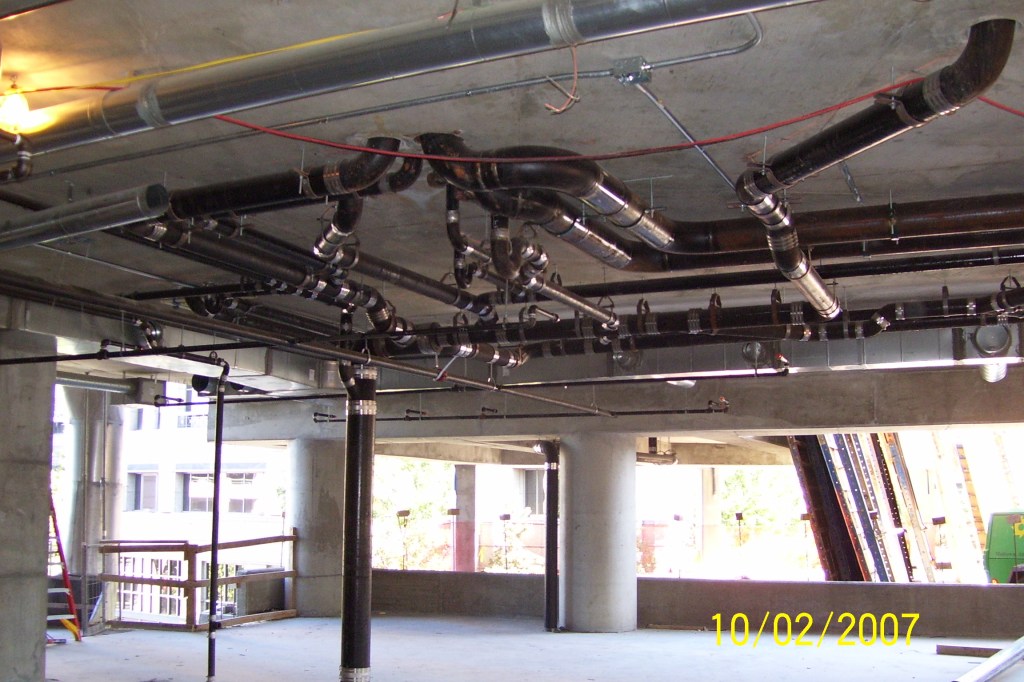
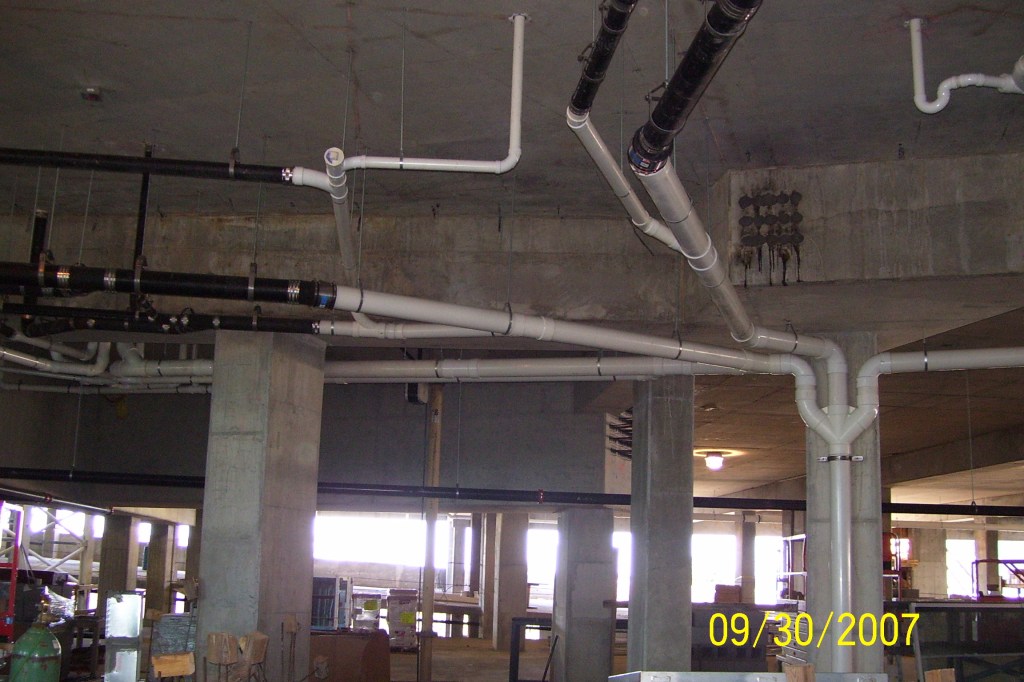
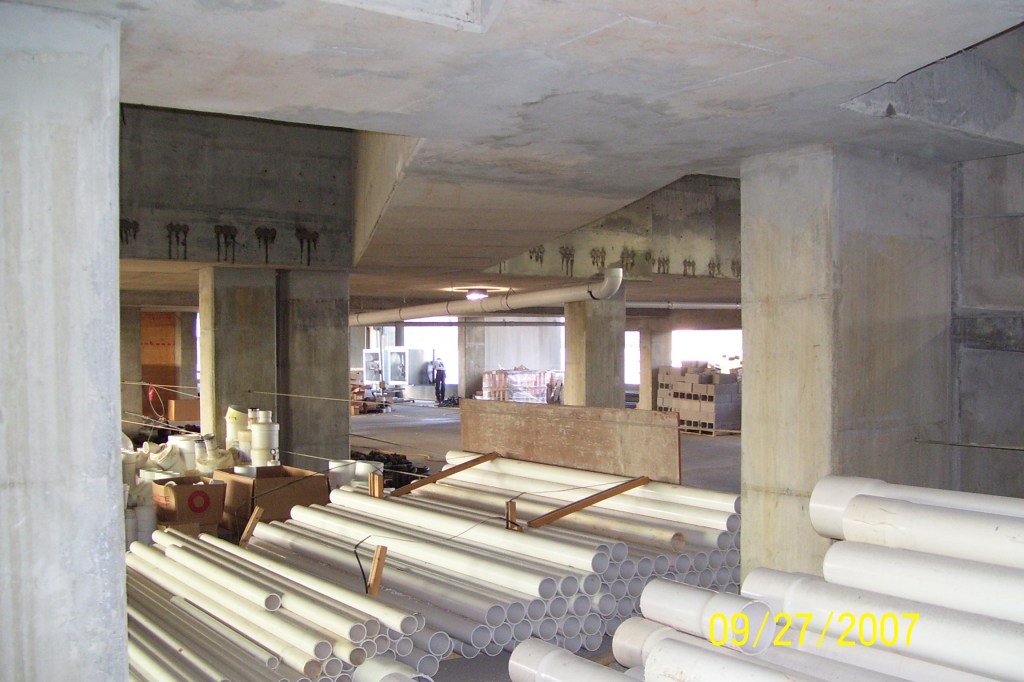
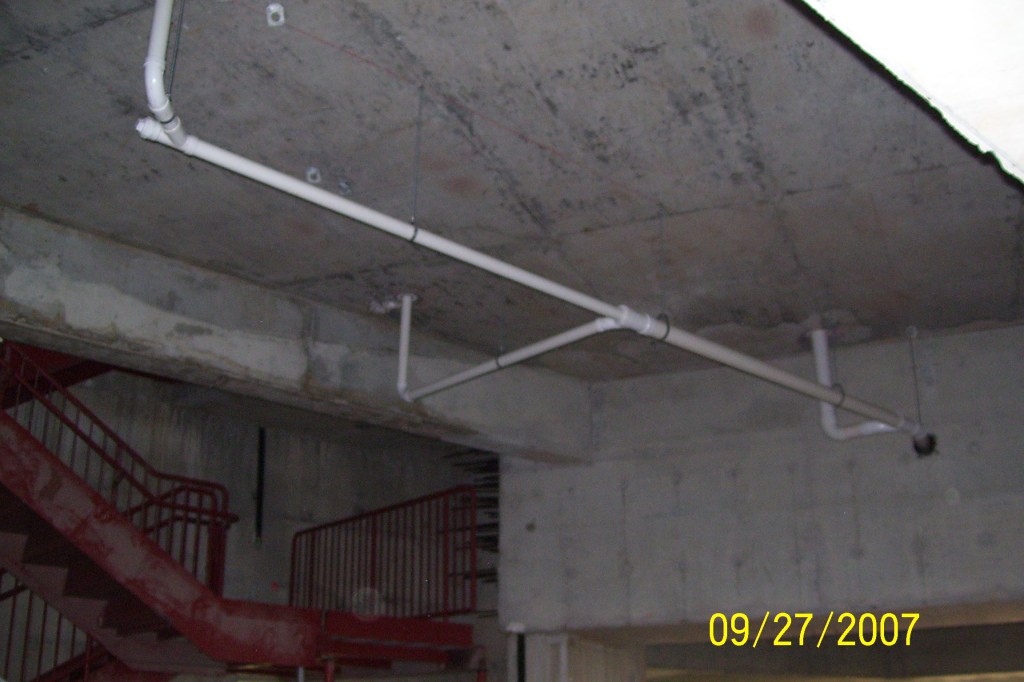
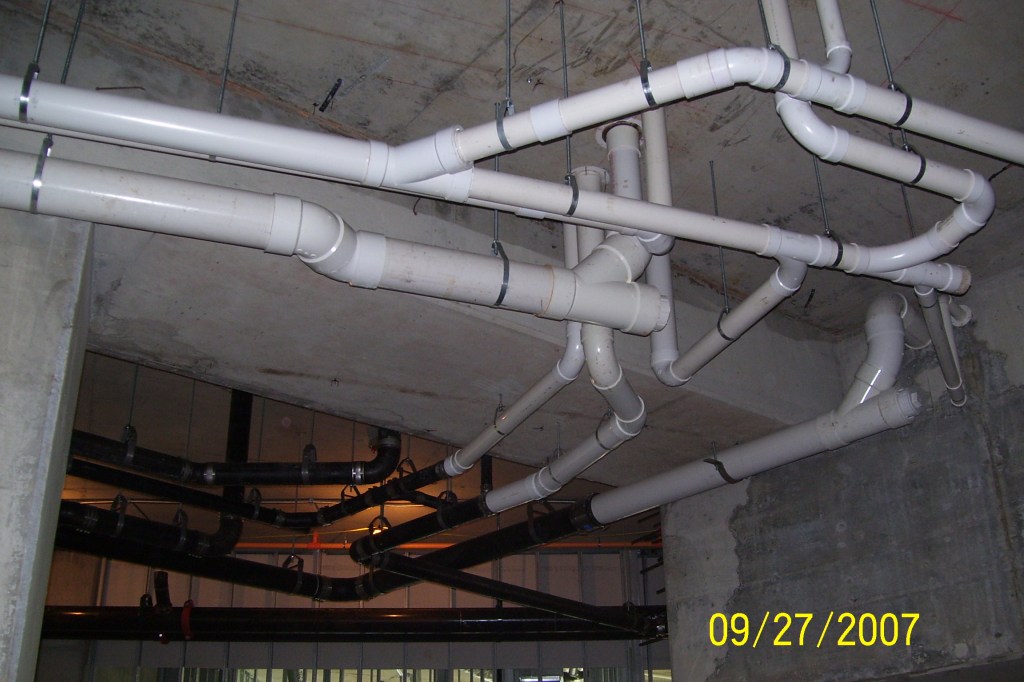
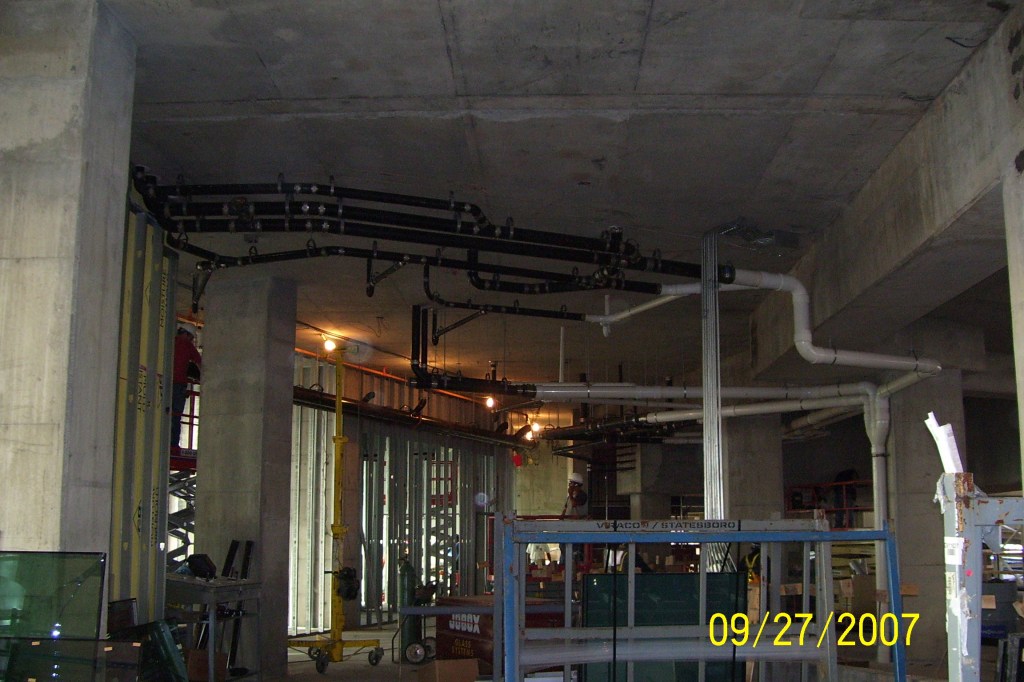
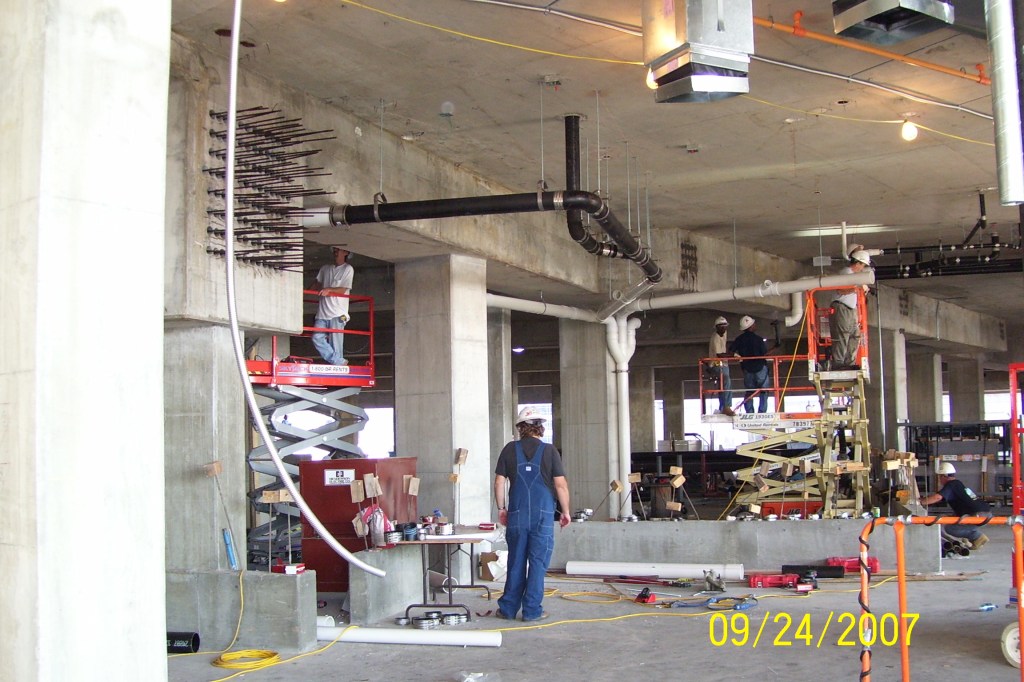
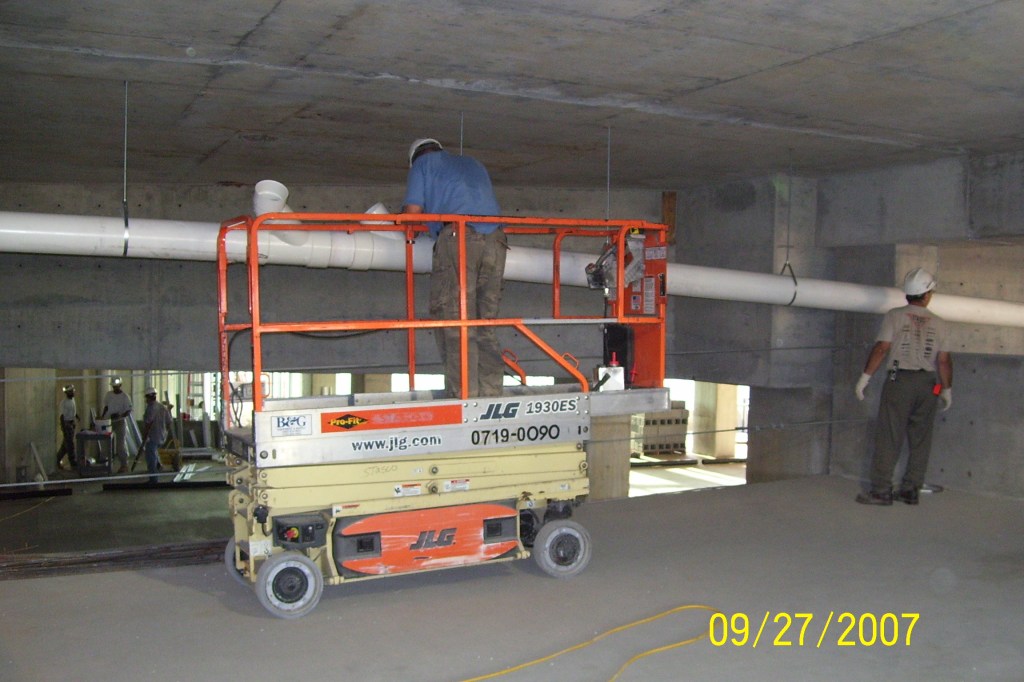
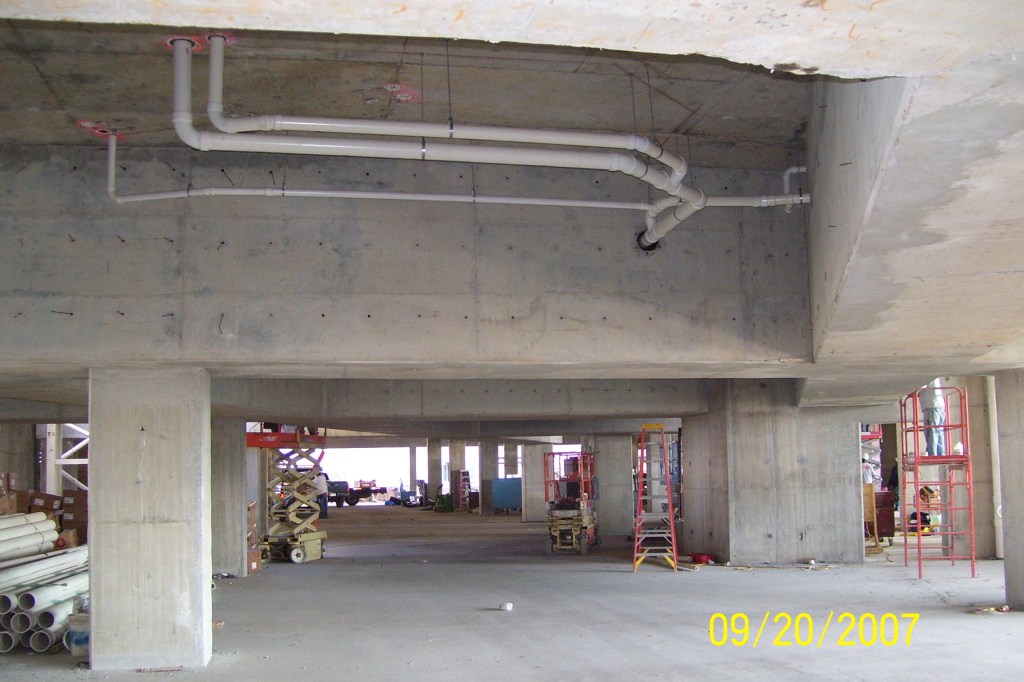
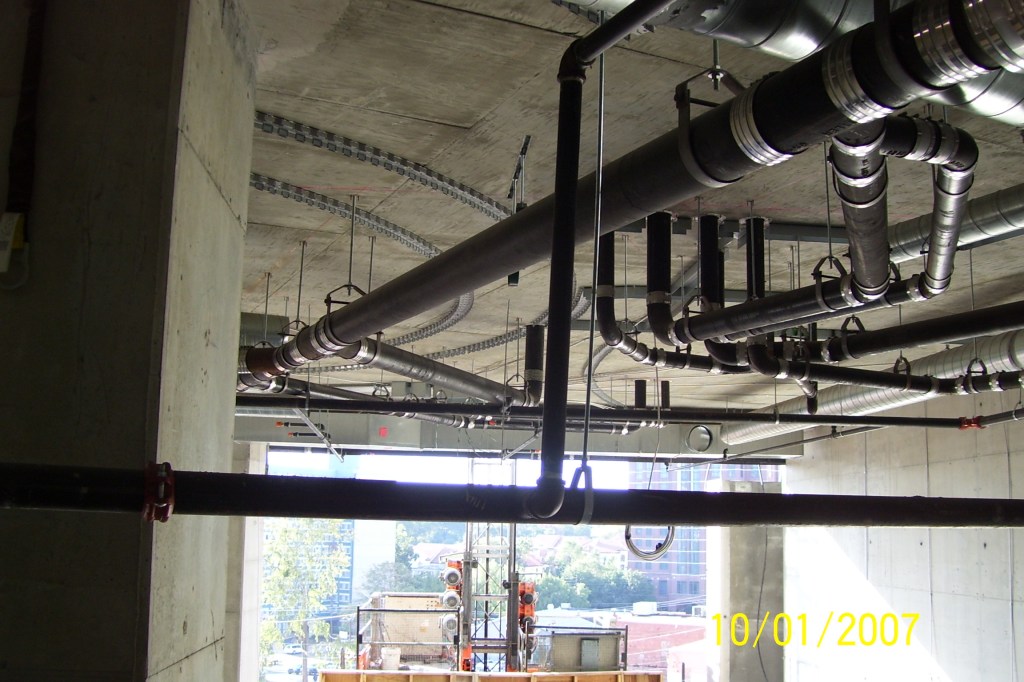
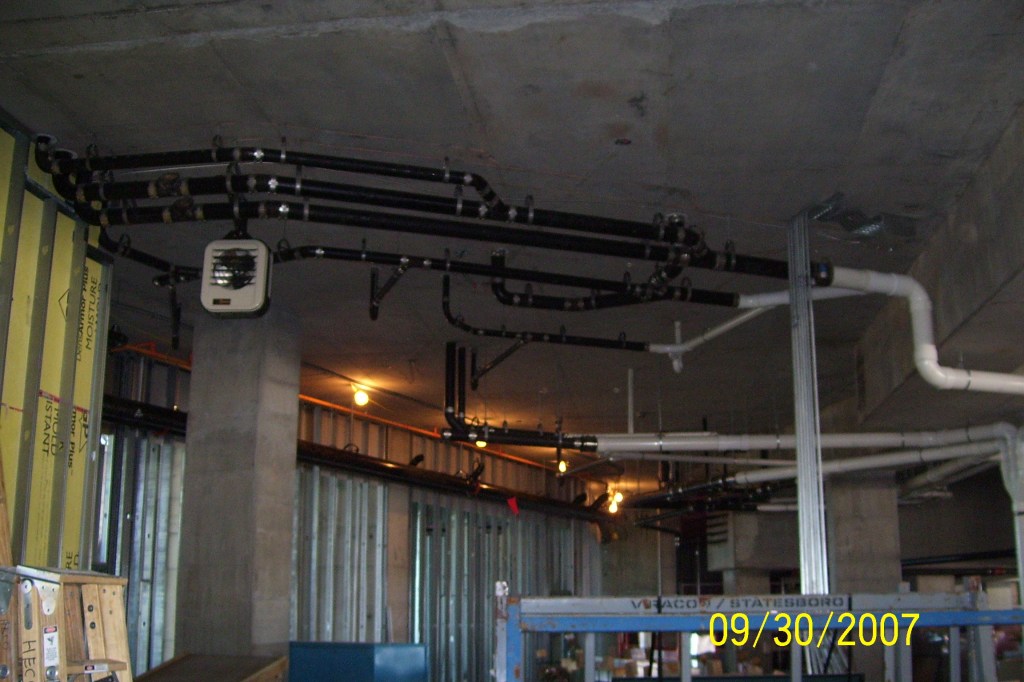
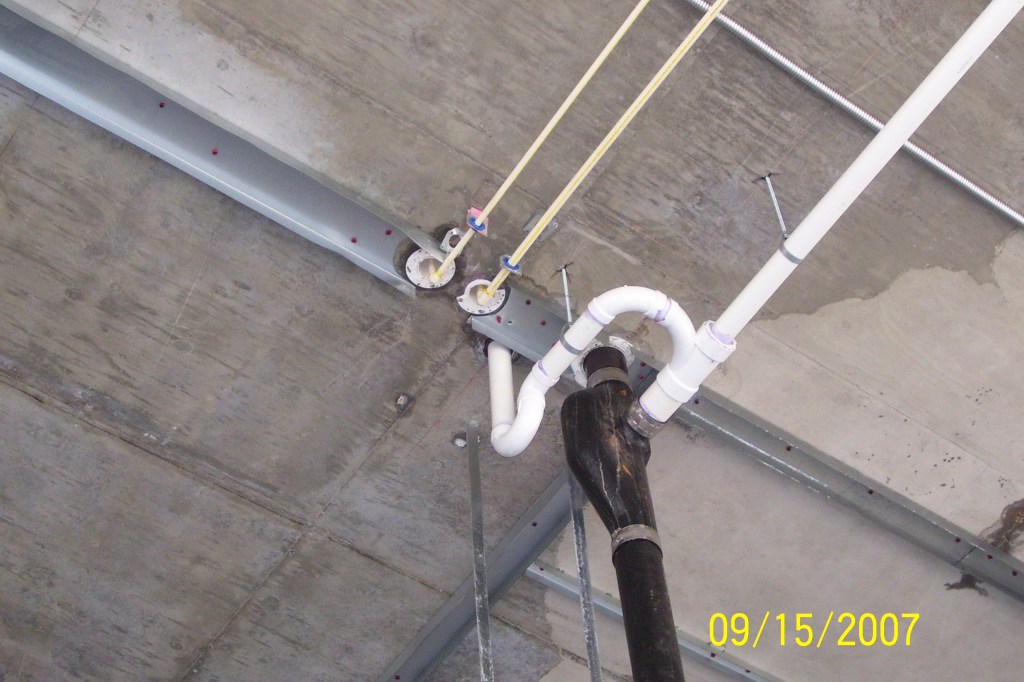
Also, cast iron was required within the residences for sound deadening reasons. PVC was acceptable in the parking deck area. That was the reason for all of the pipe transitions. I had to coordinate all of this ahead of time for hanger insert placement and material ordering.
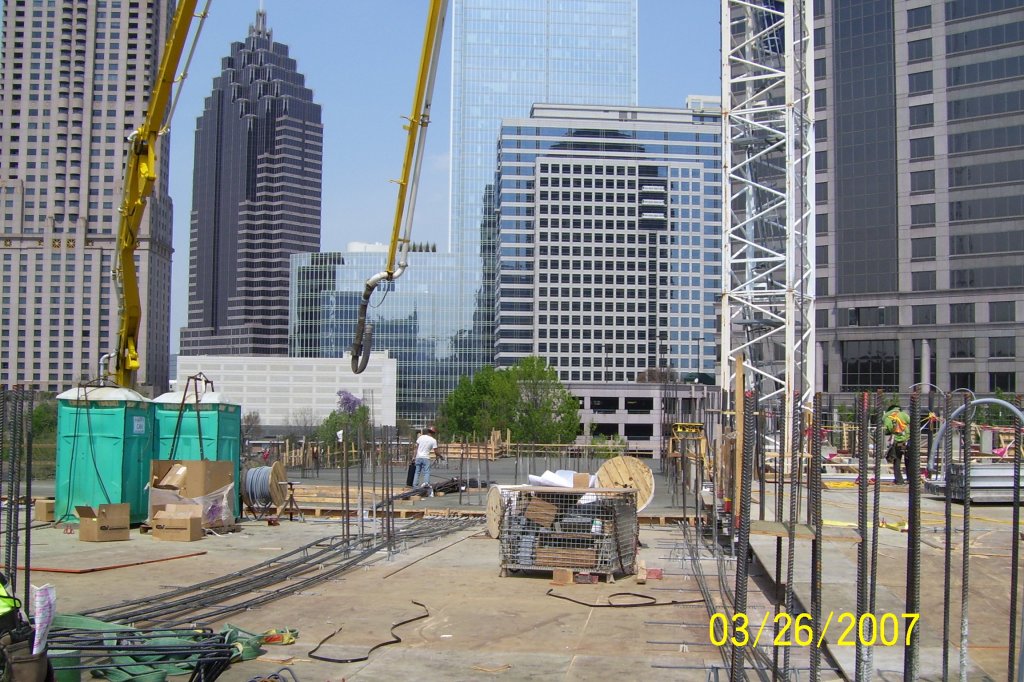
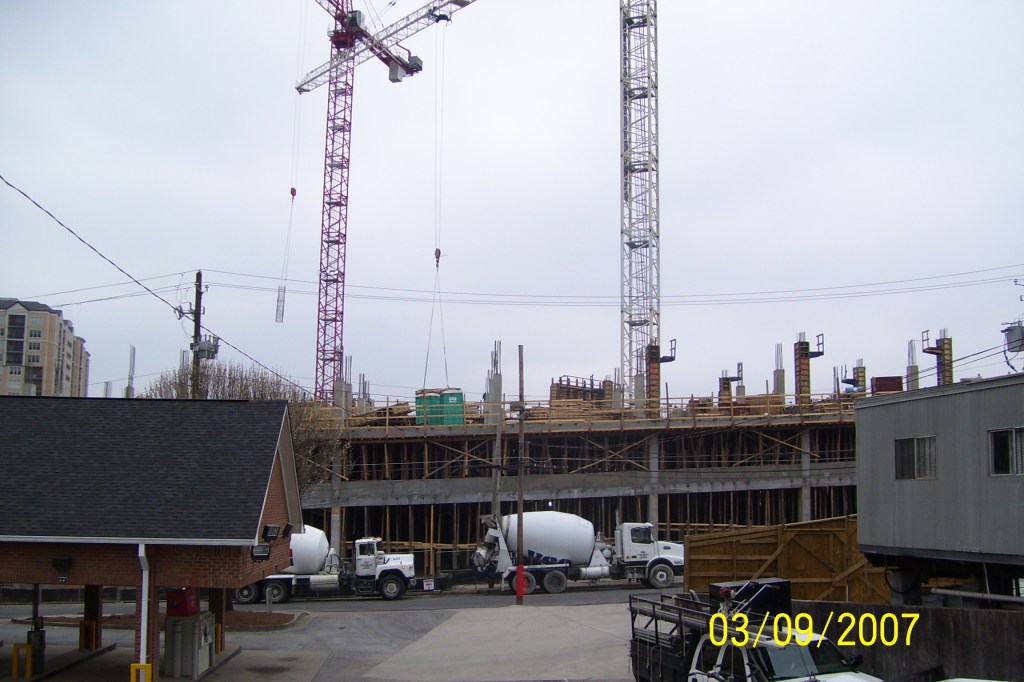
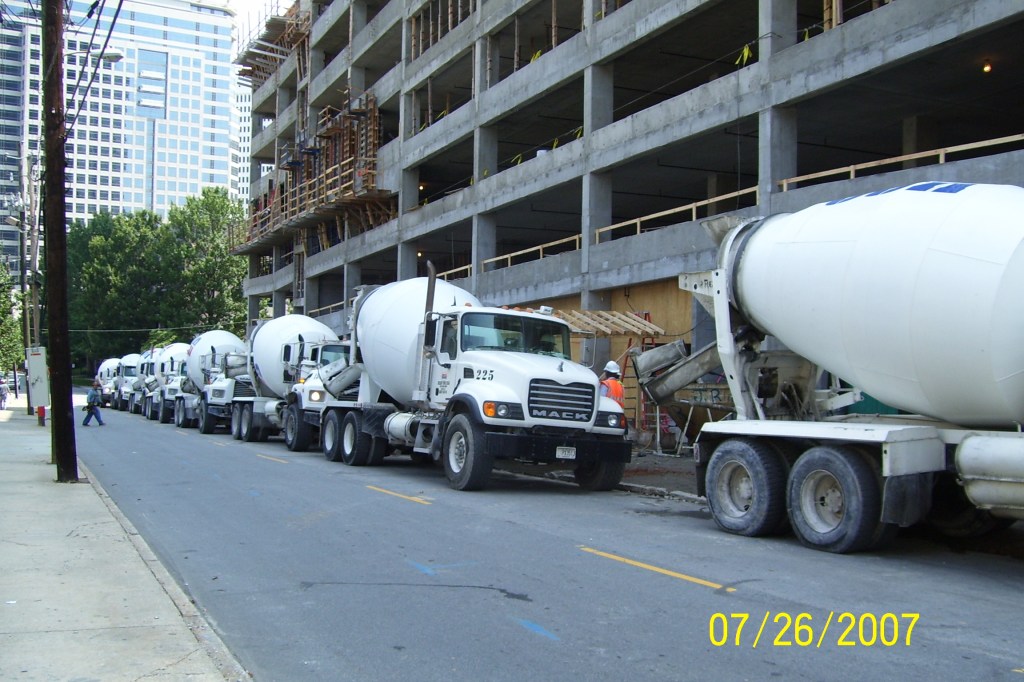
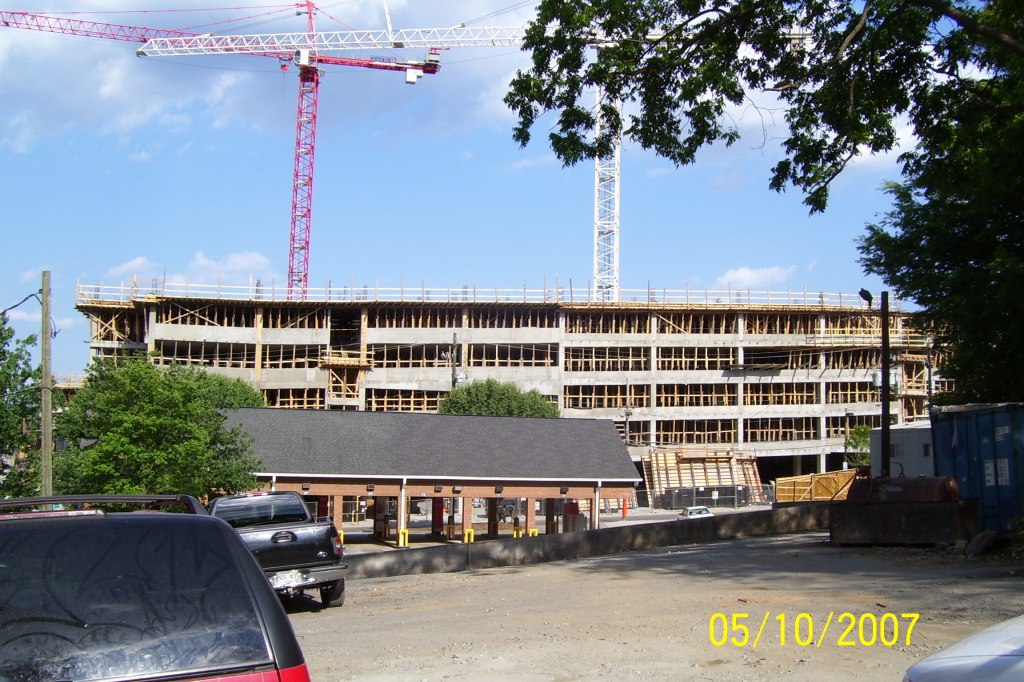
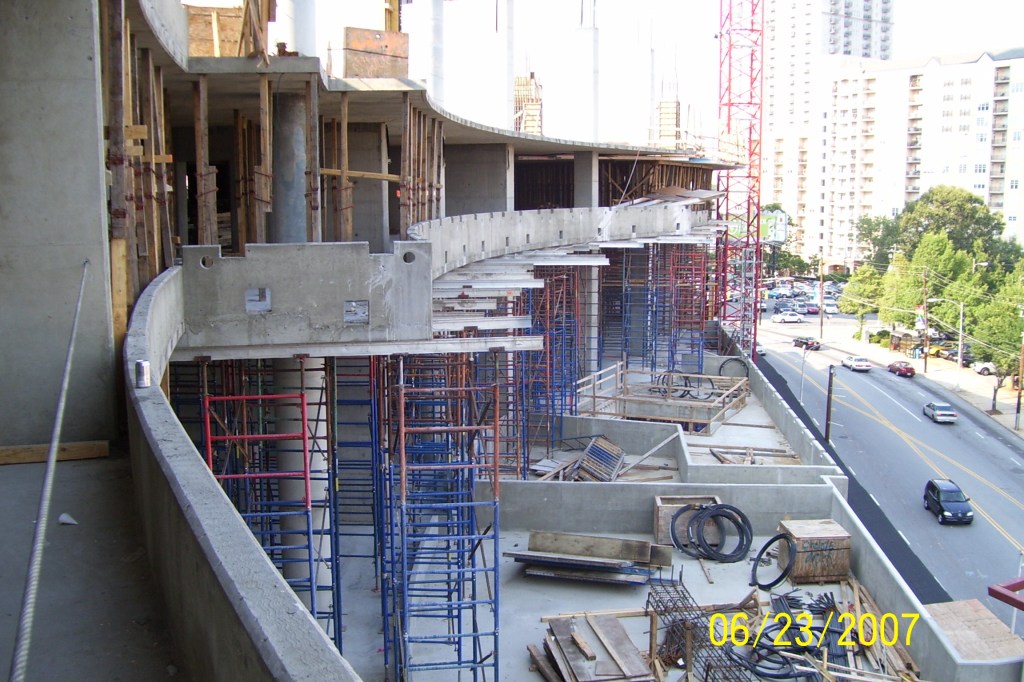
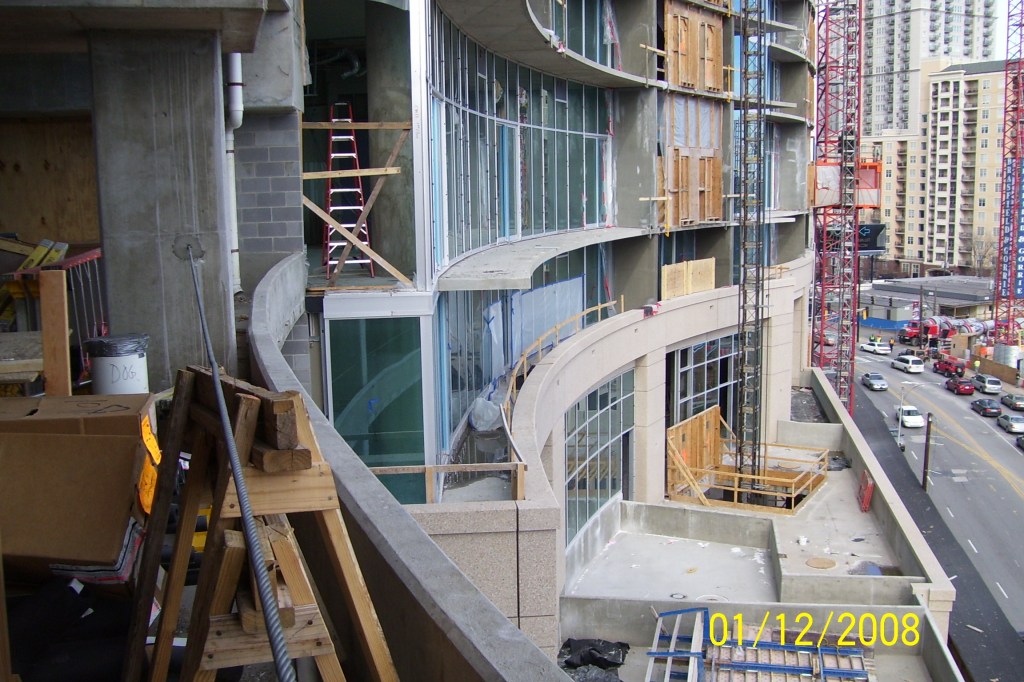
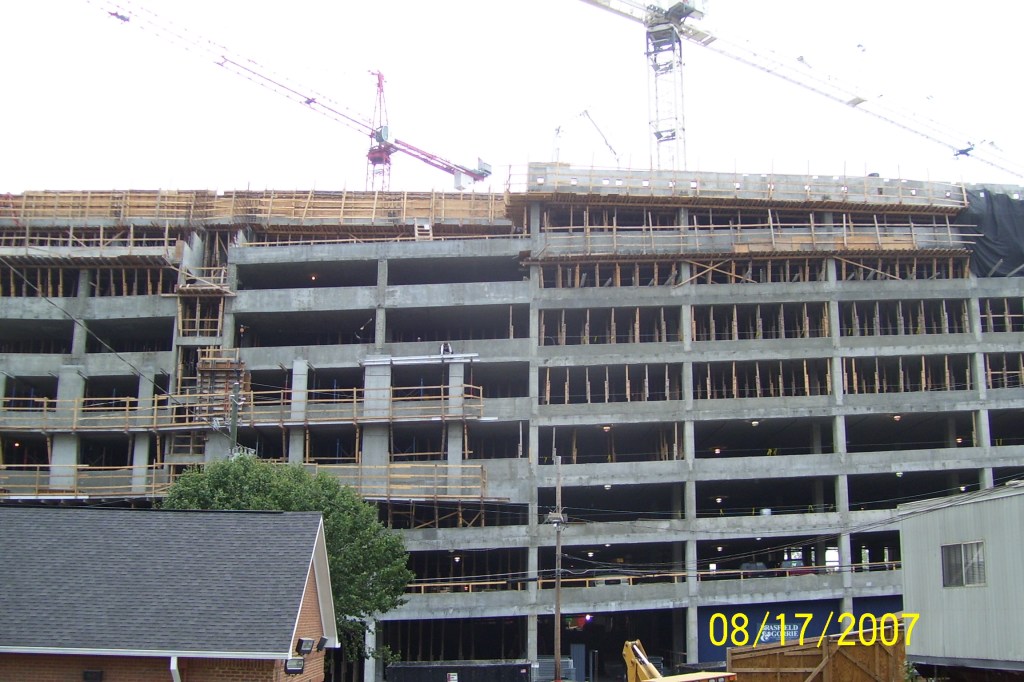
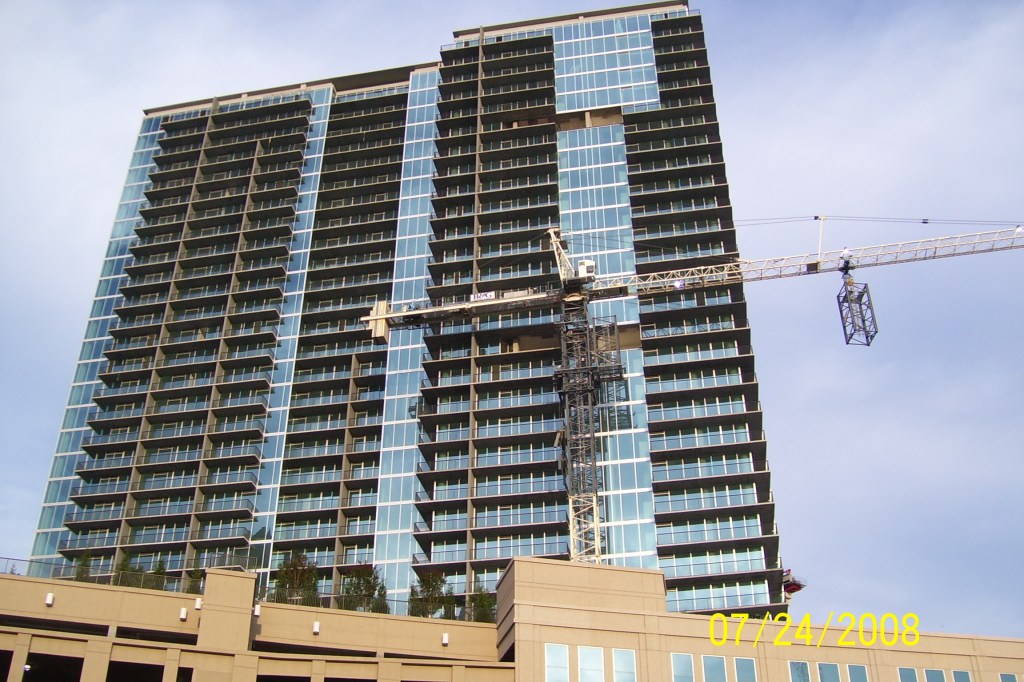
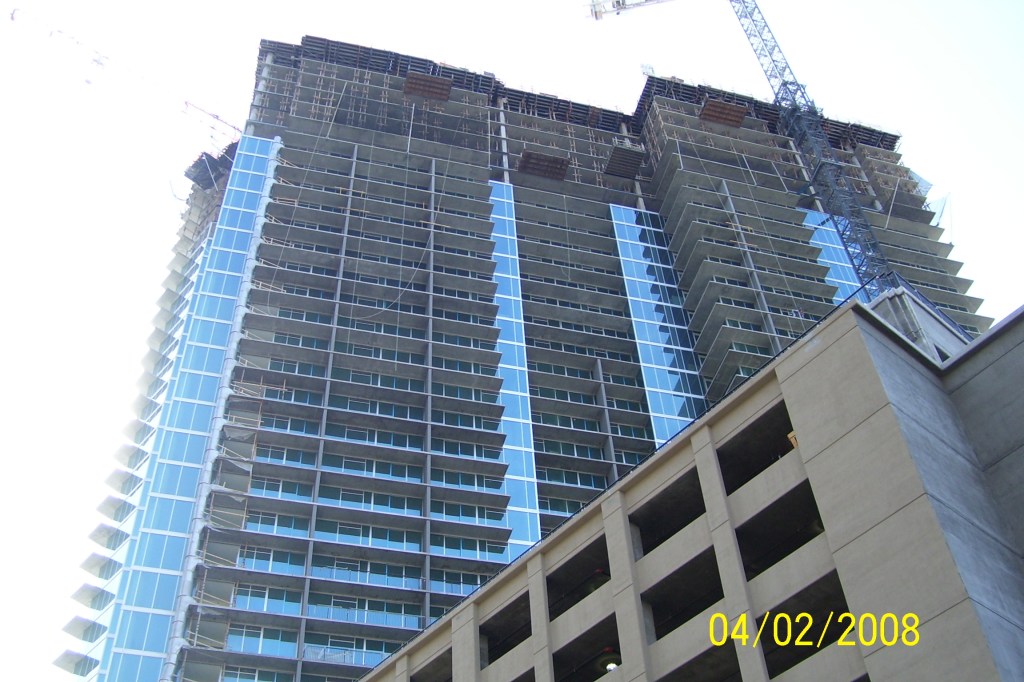
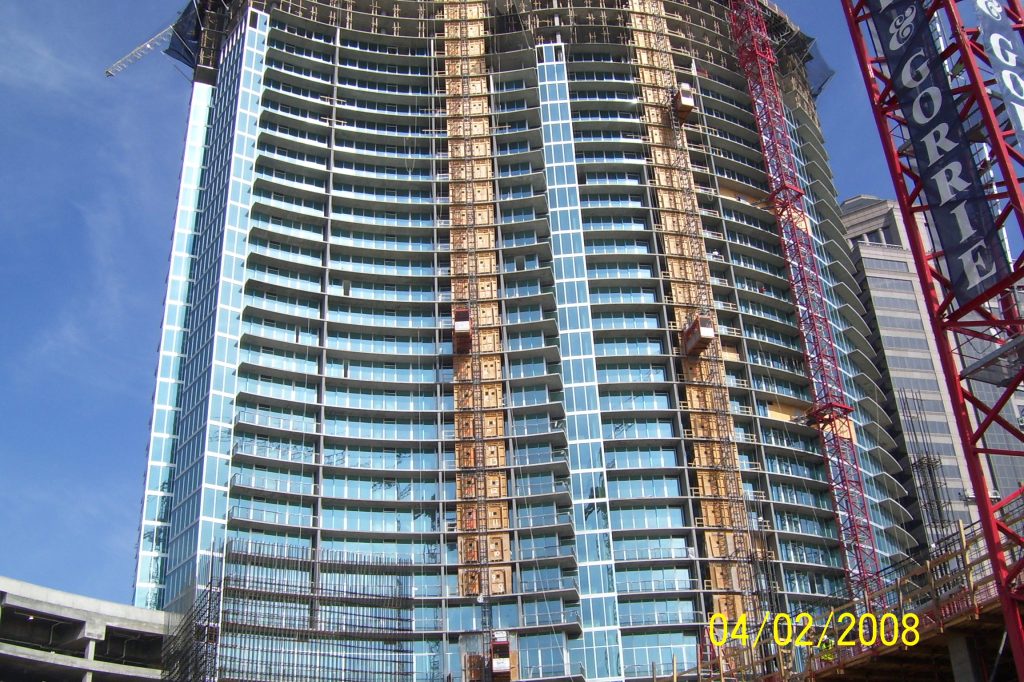
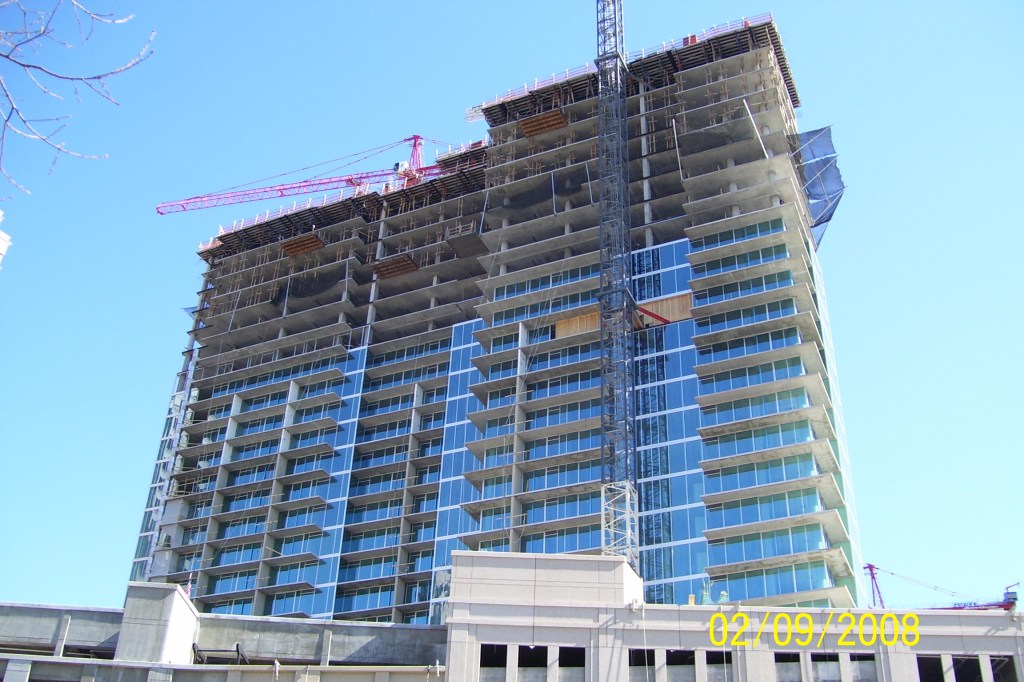
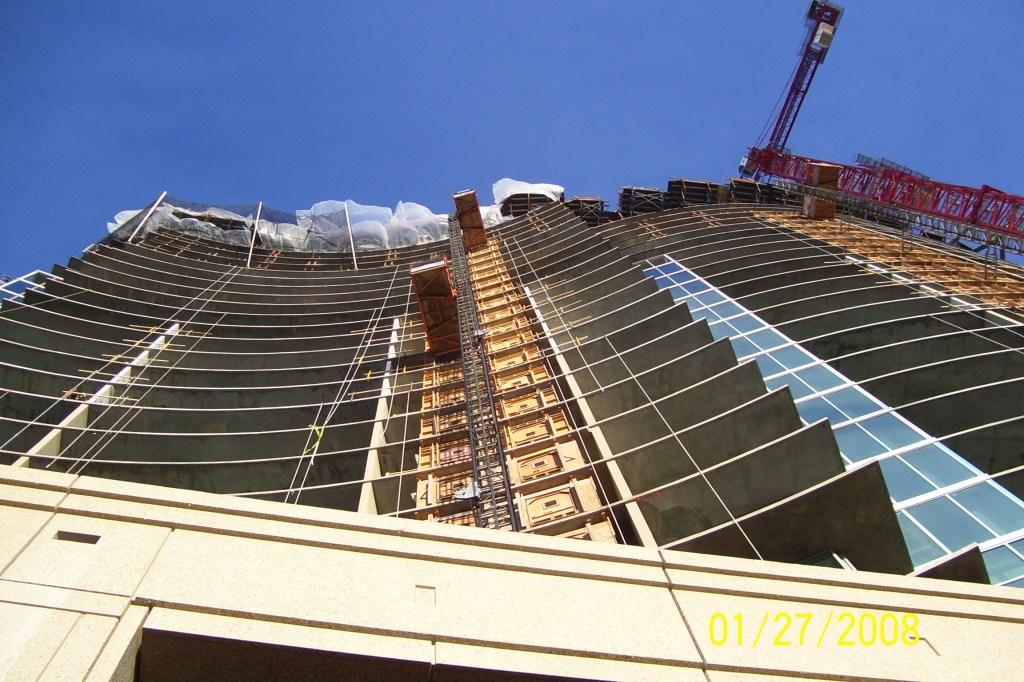
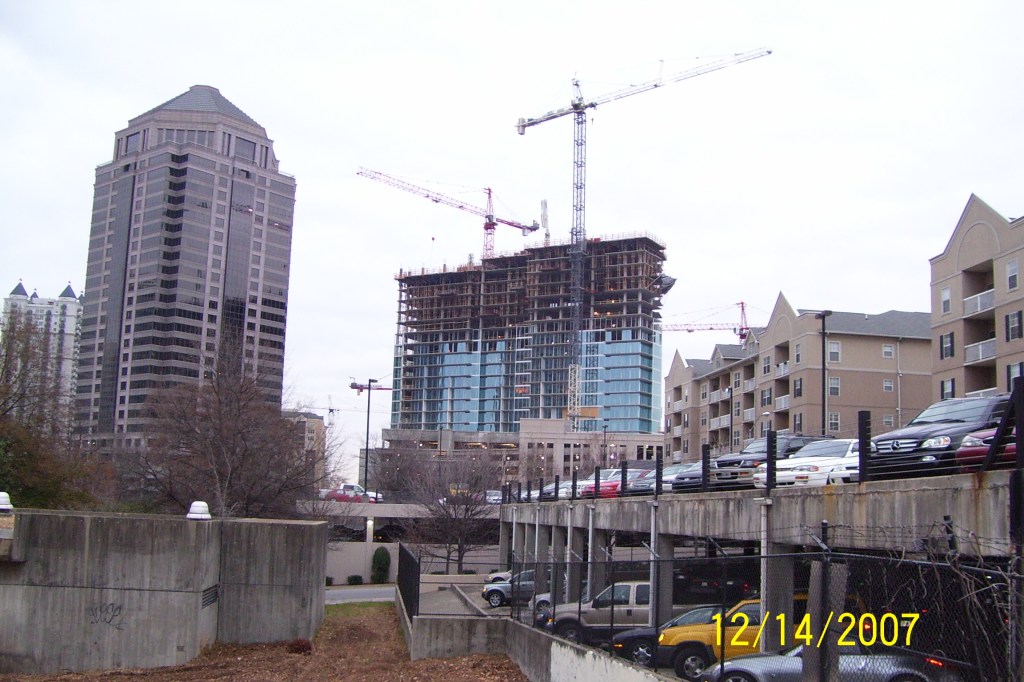
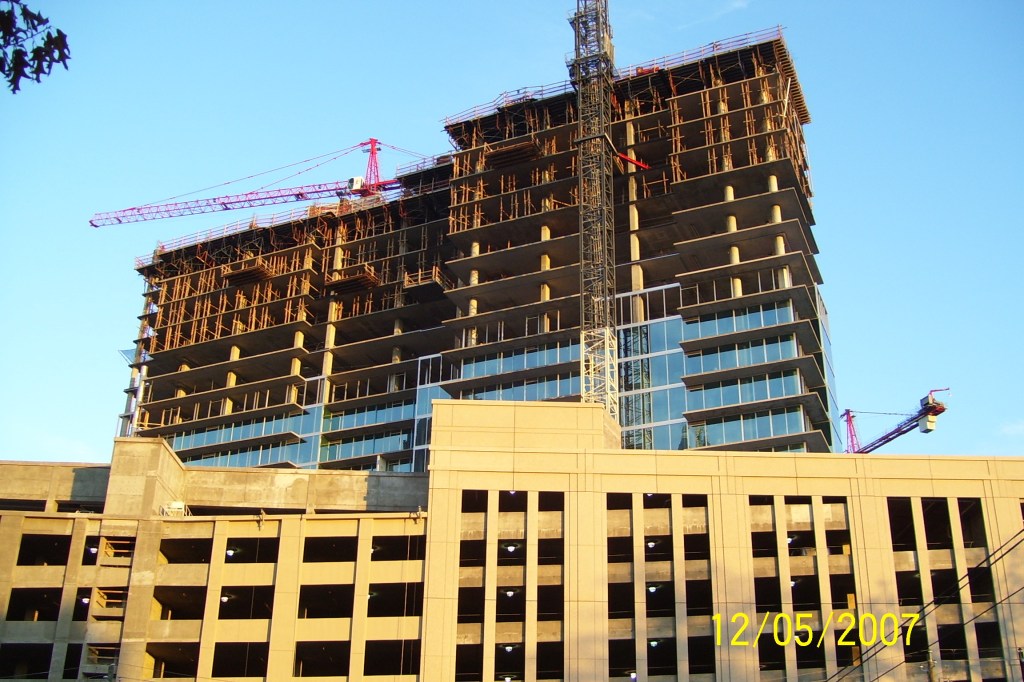
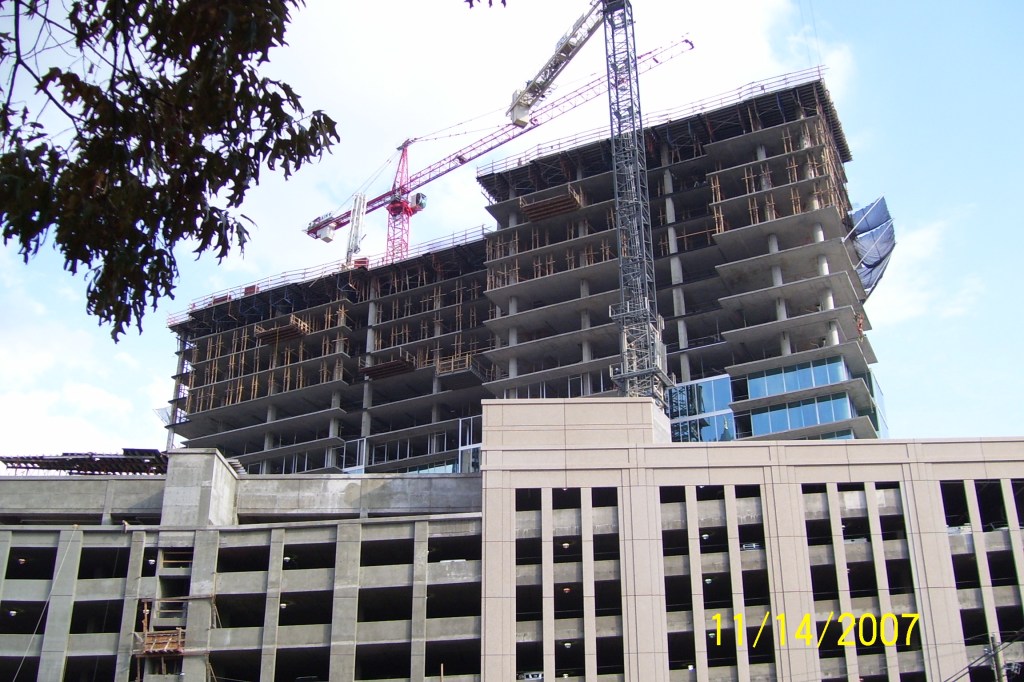
Growing taller:
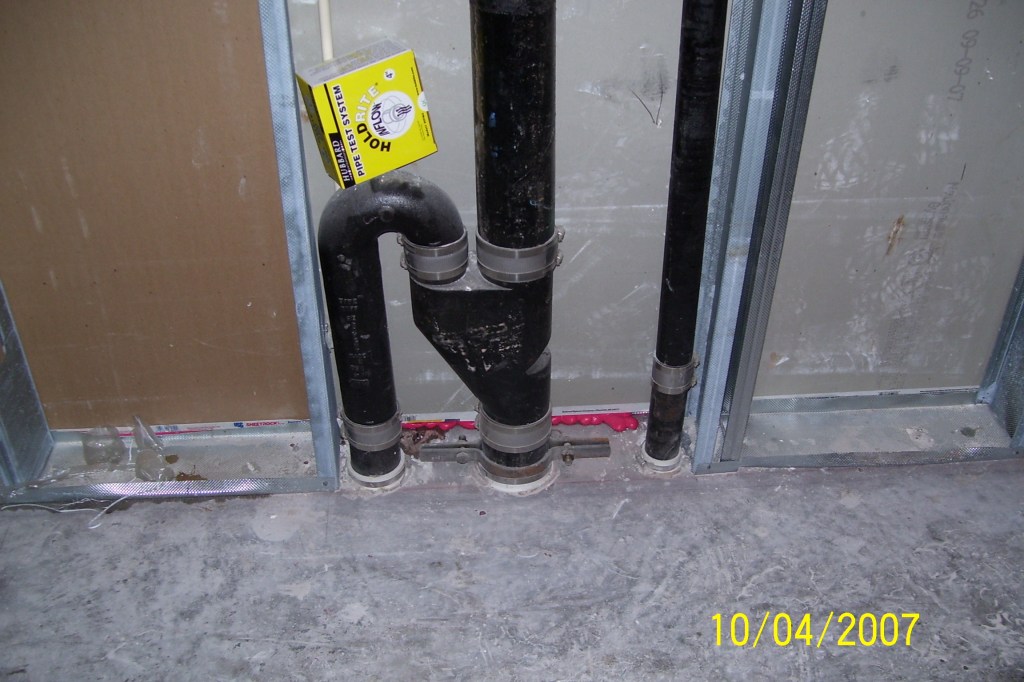
We used the Sovent system for the sanitary drainage system. The Sovent system does not require any vent stacks in a building.
We did use some of our own design modifications to the Sovent system on the horizontal piping at the base of the stacks, particularly regarding the washing machine stacks. This was a result of our experience of past problems from Sovent systems on previous projects.
Eric Atchison supervised the vertical stack installation for us.
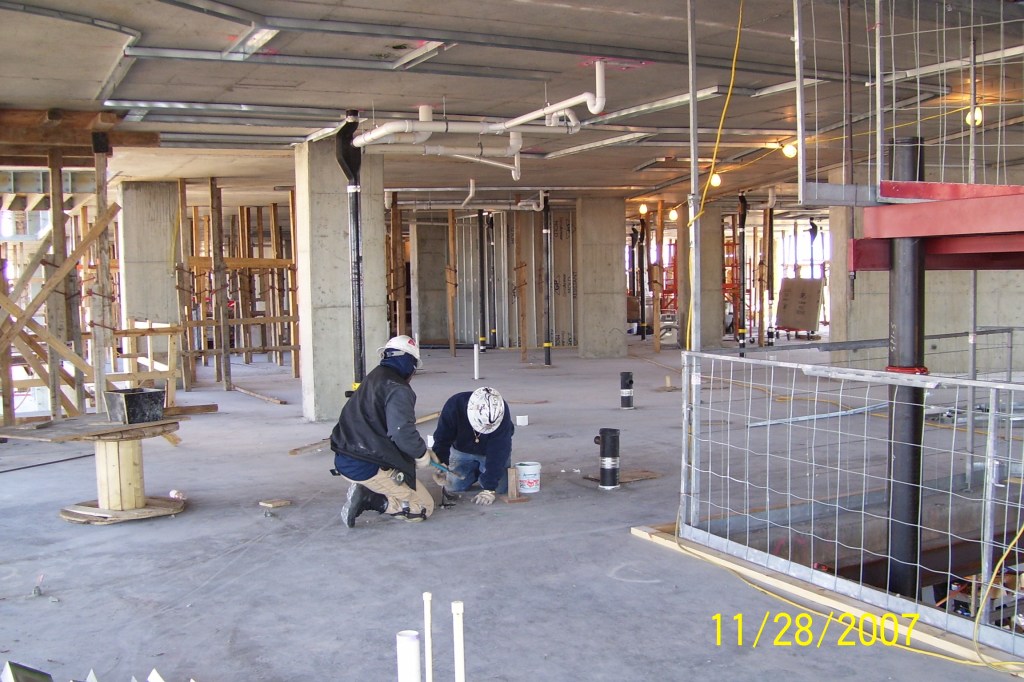
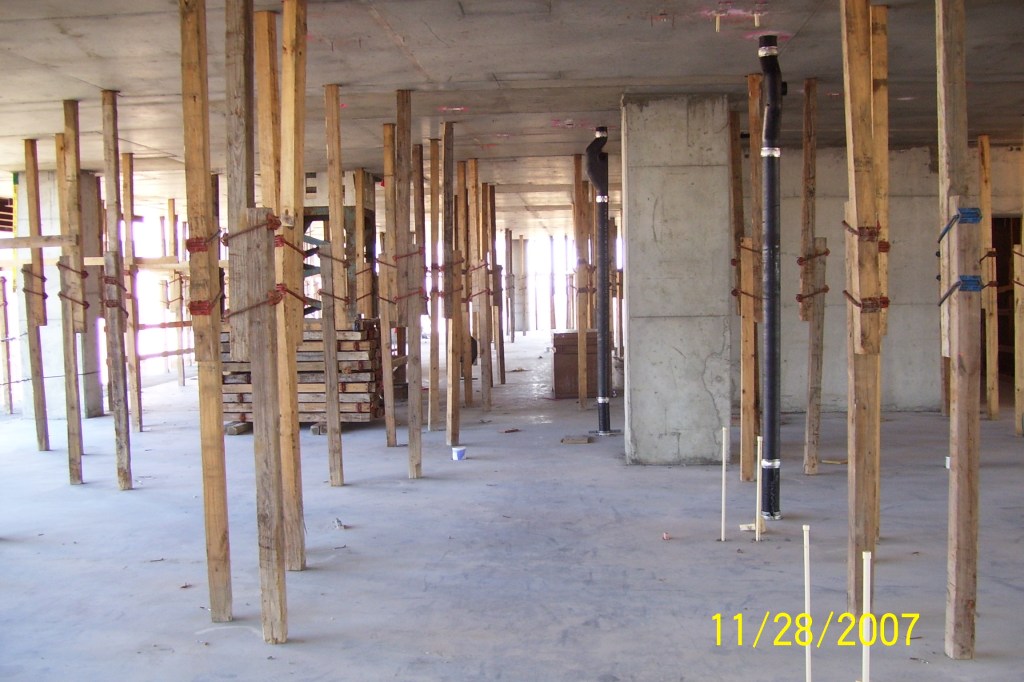
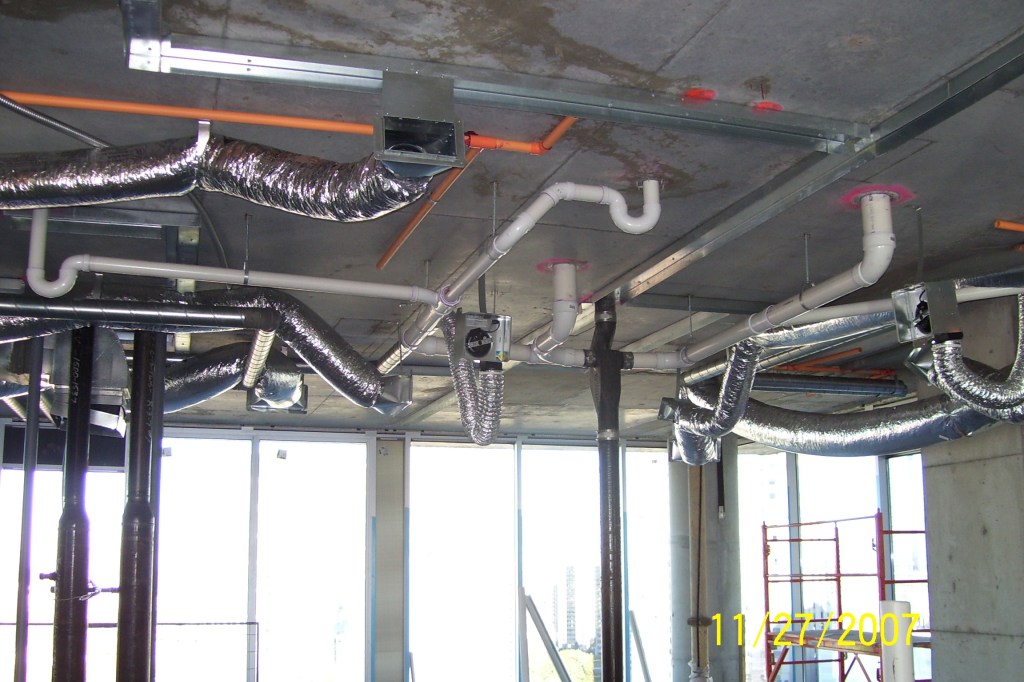
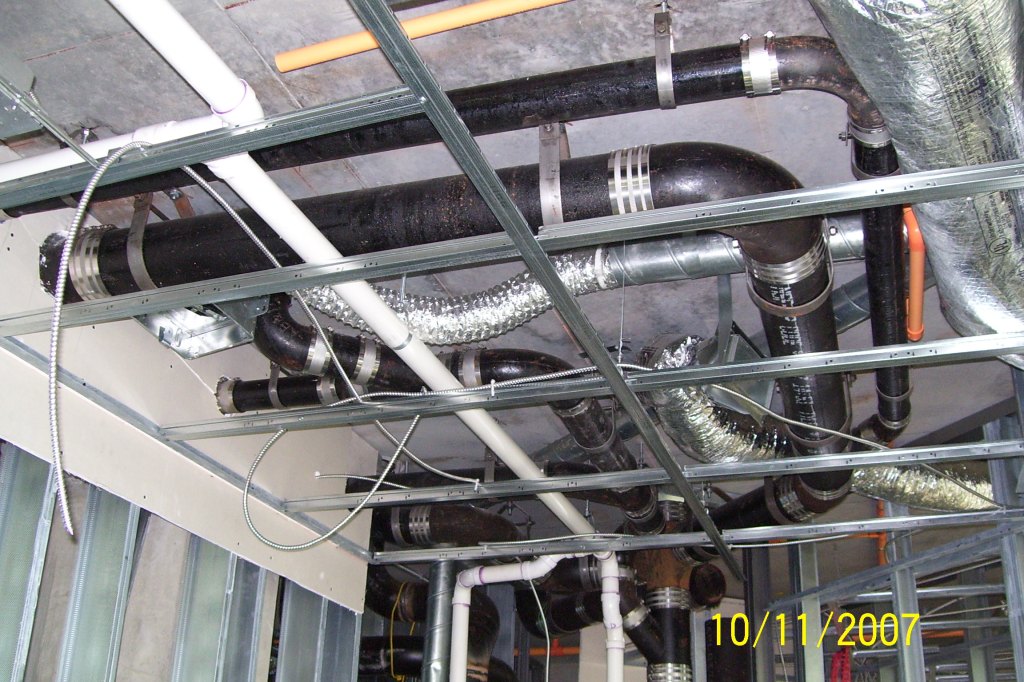
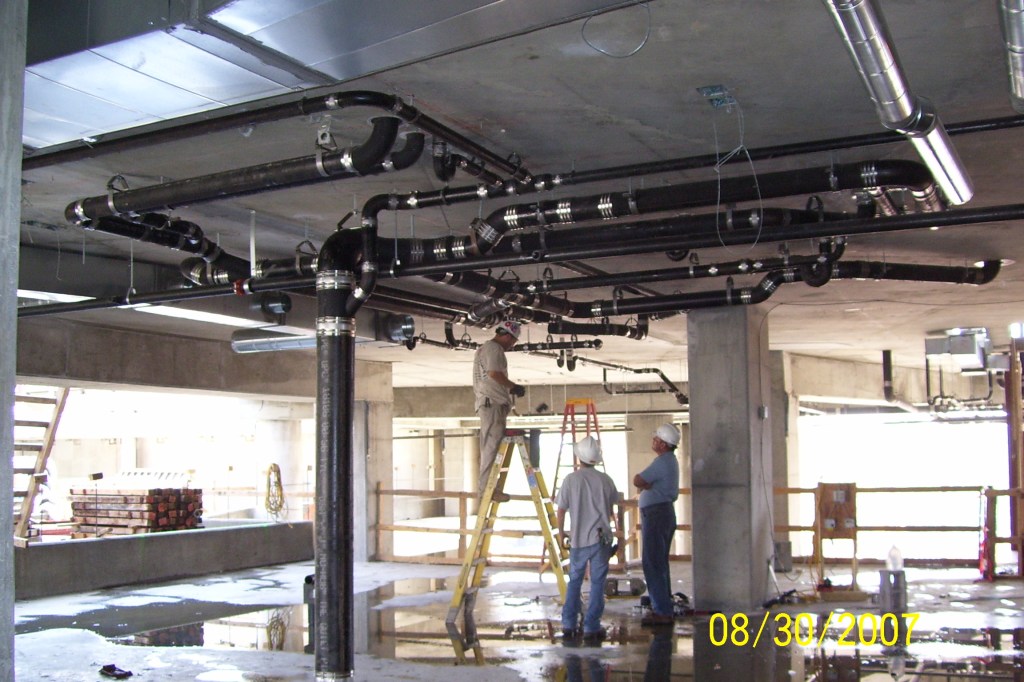
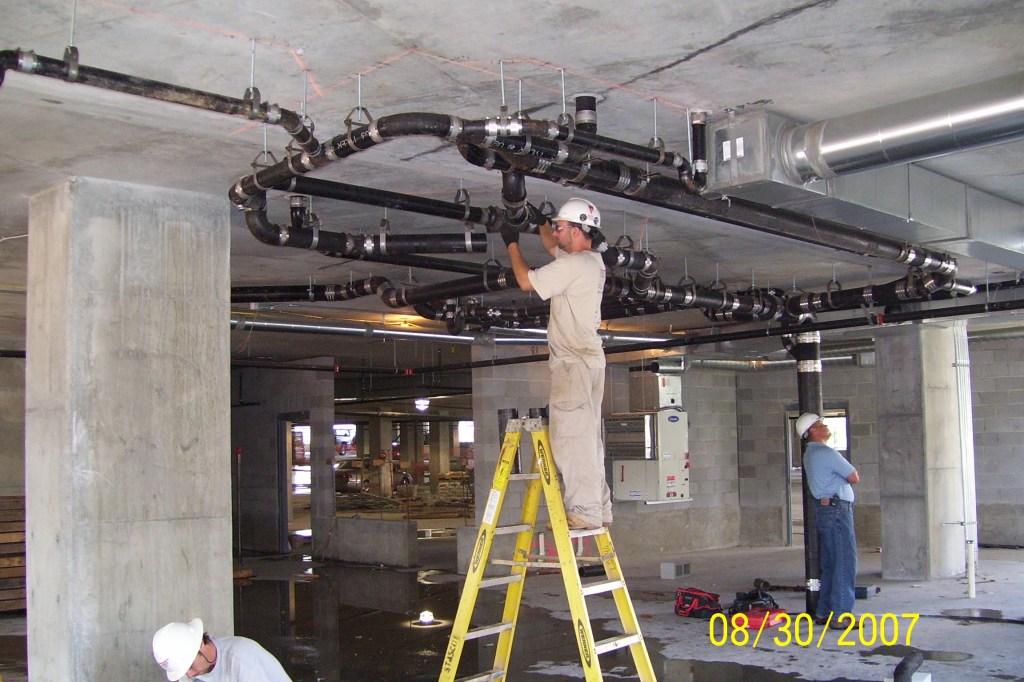
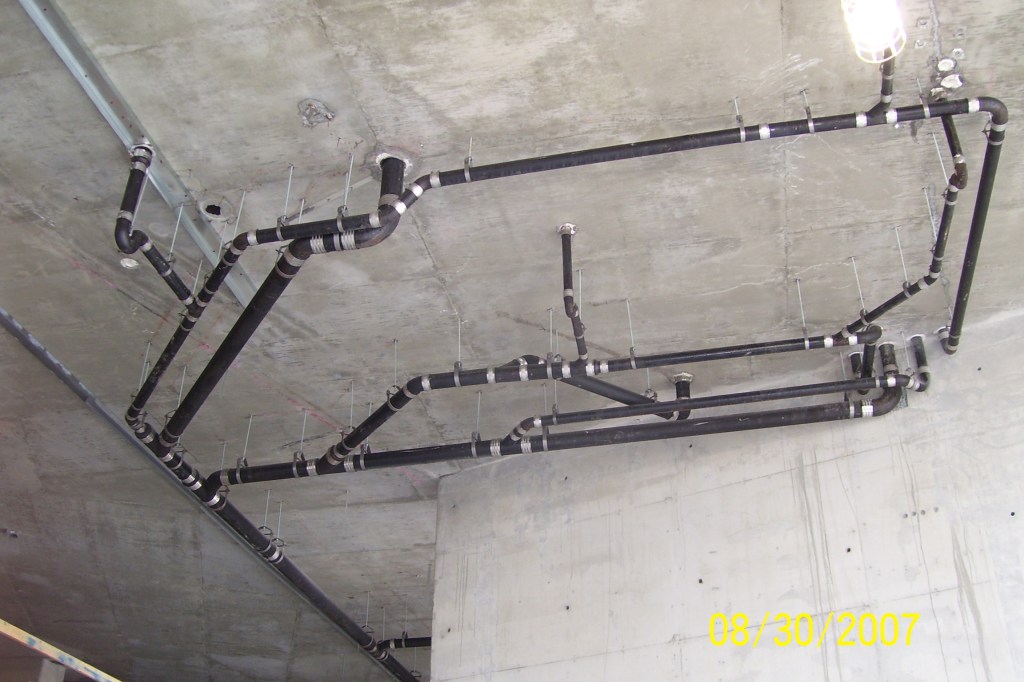
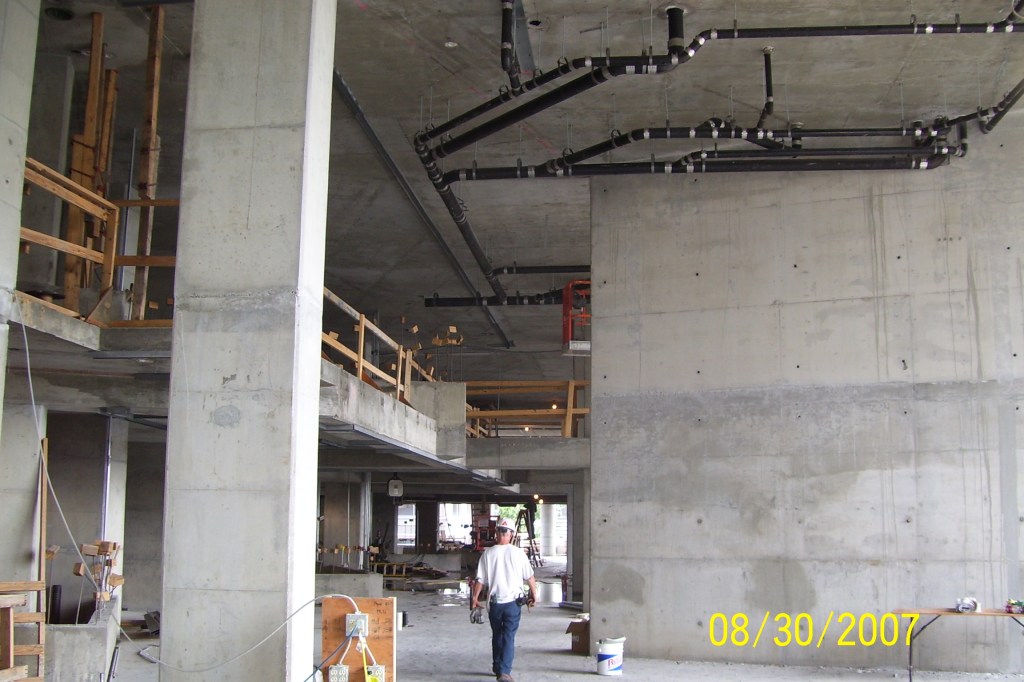
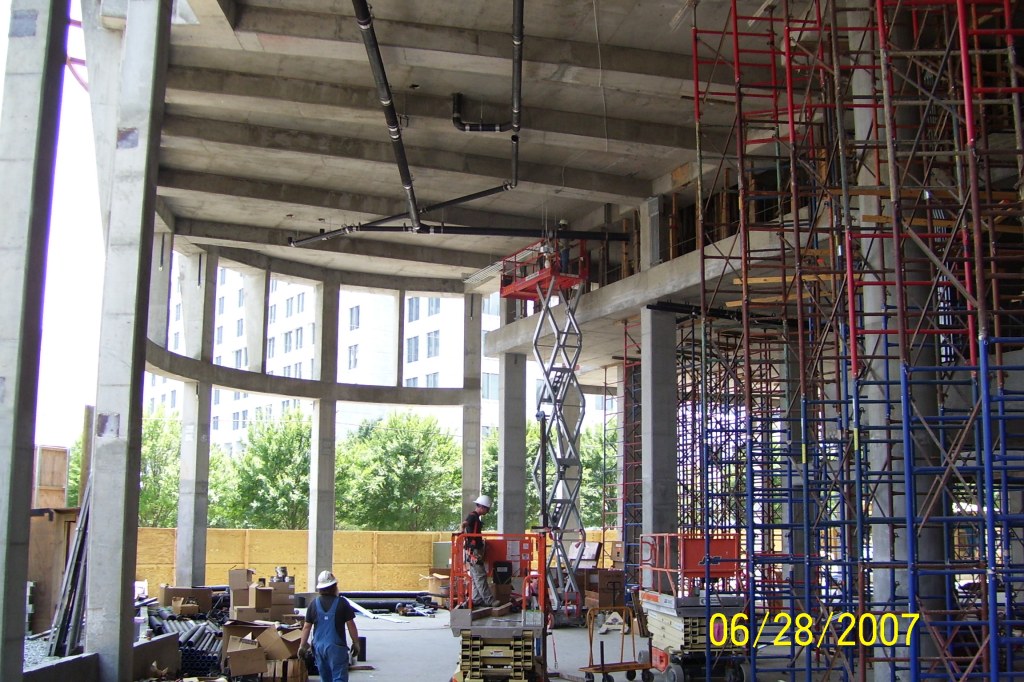
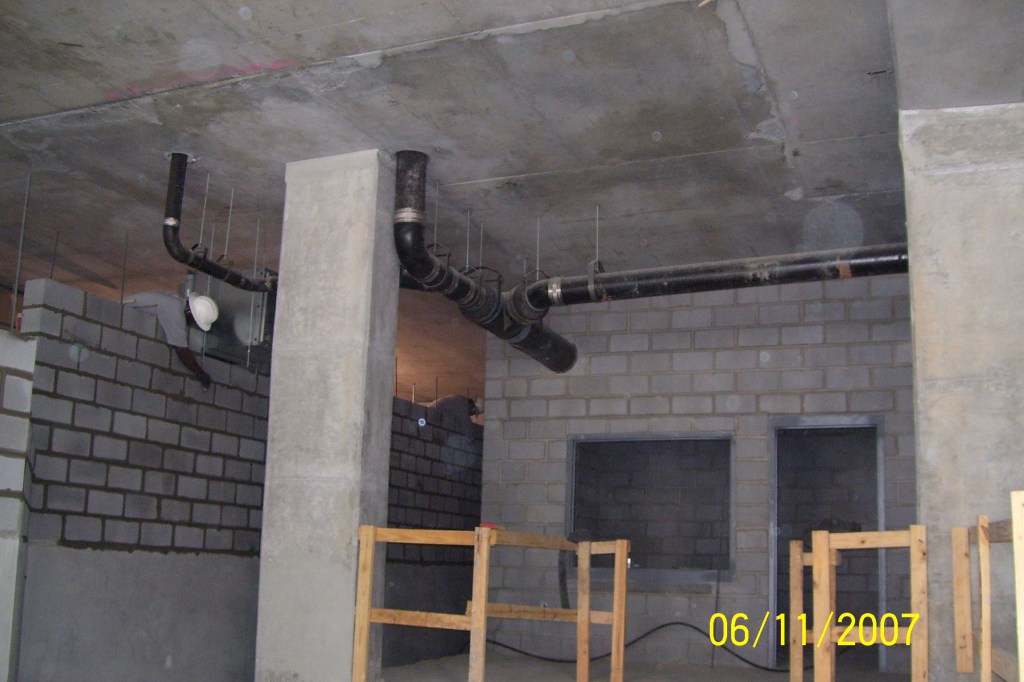
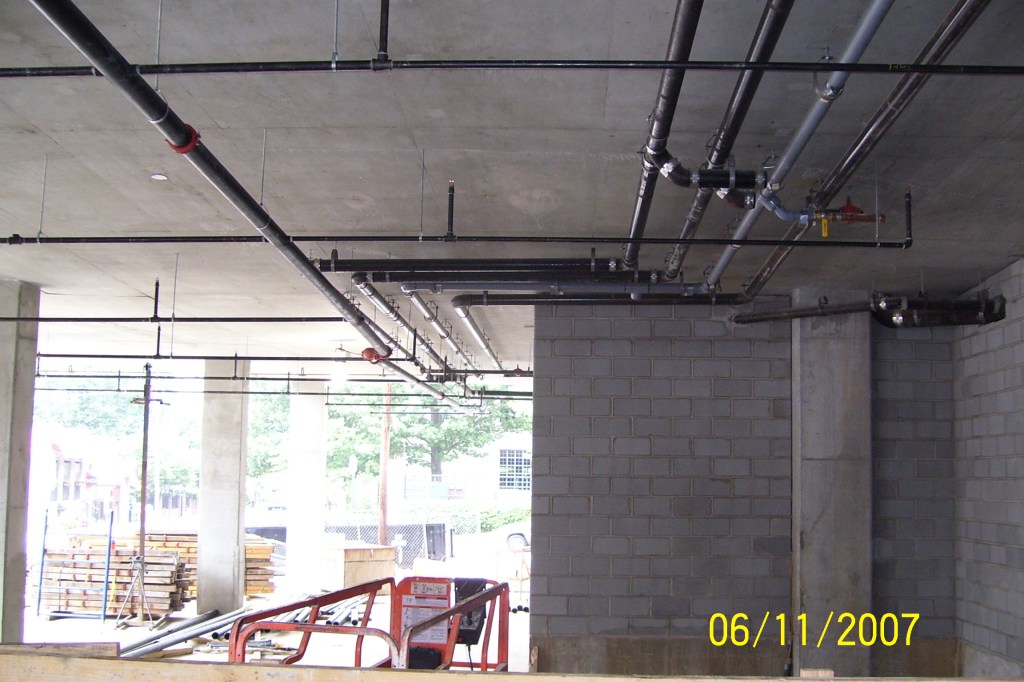
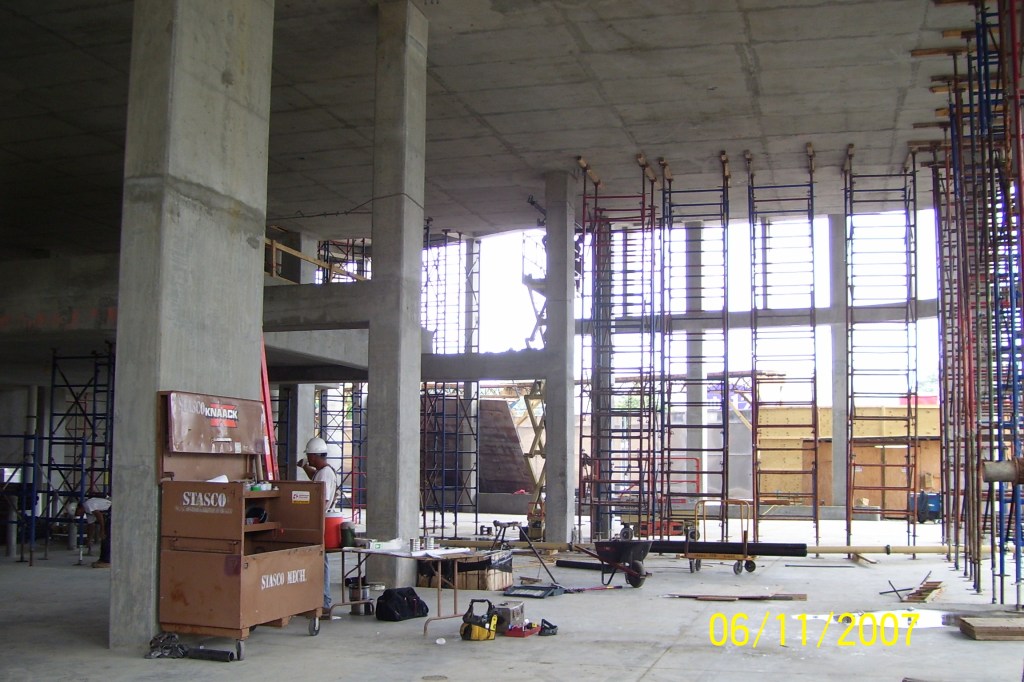
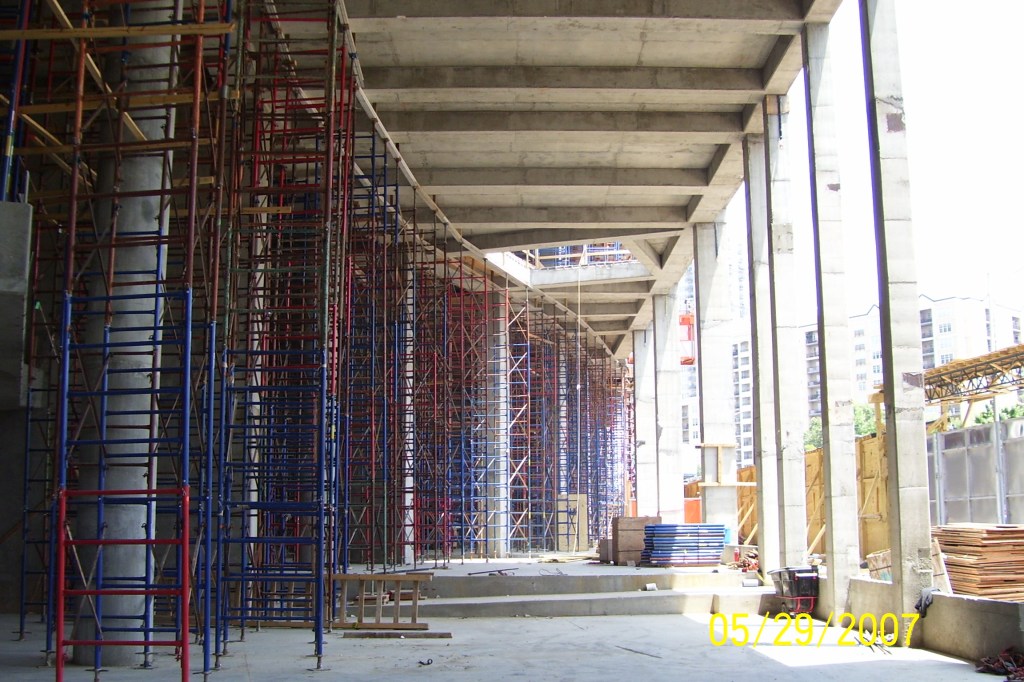
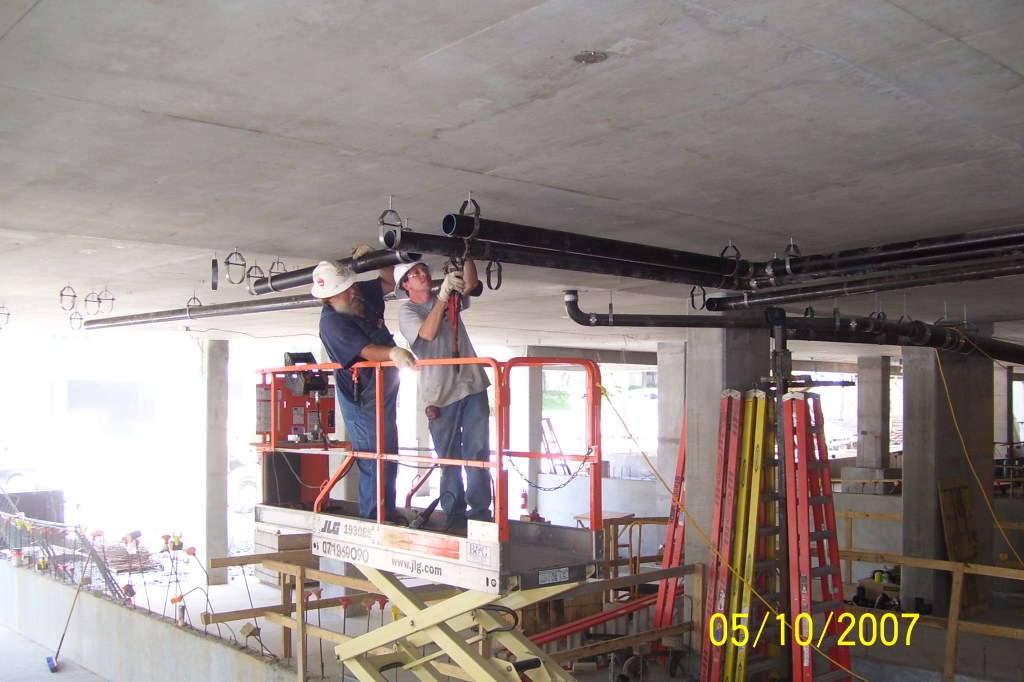
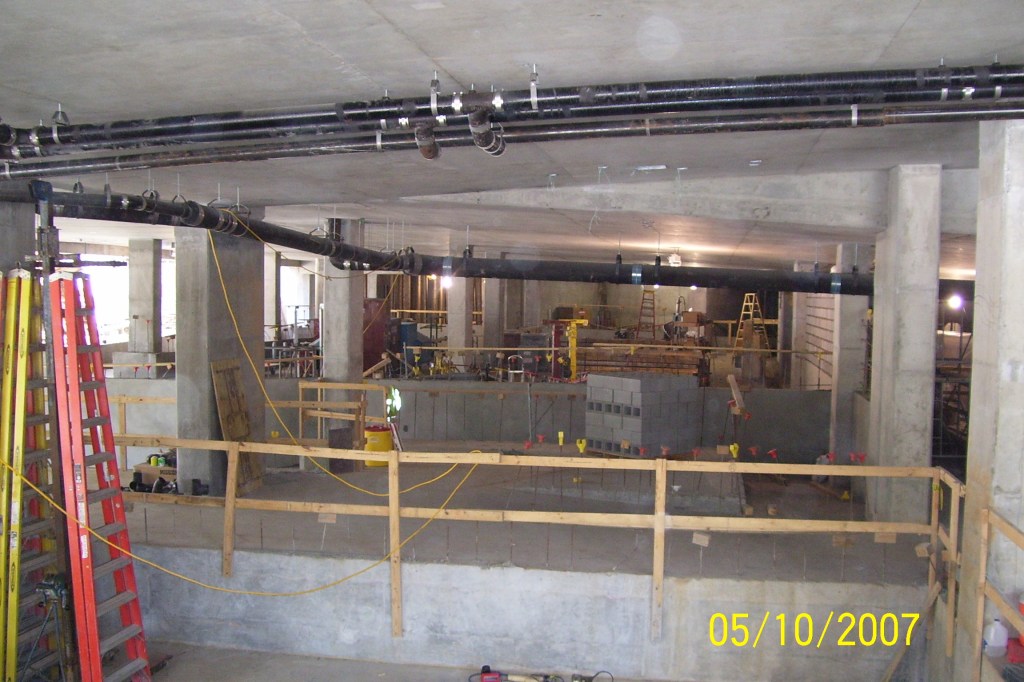
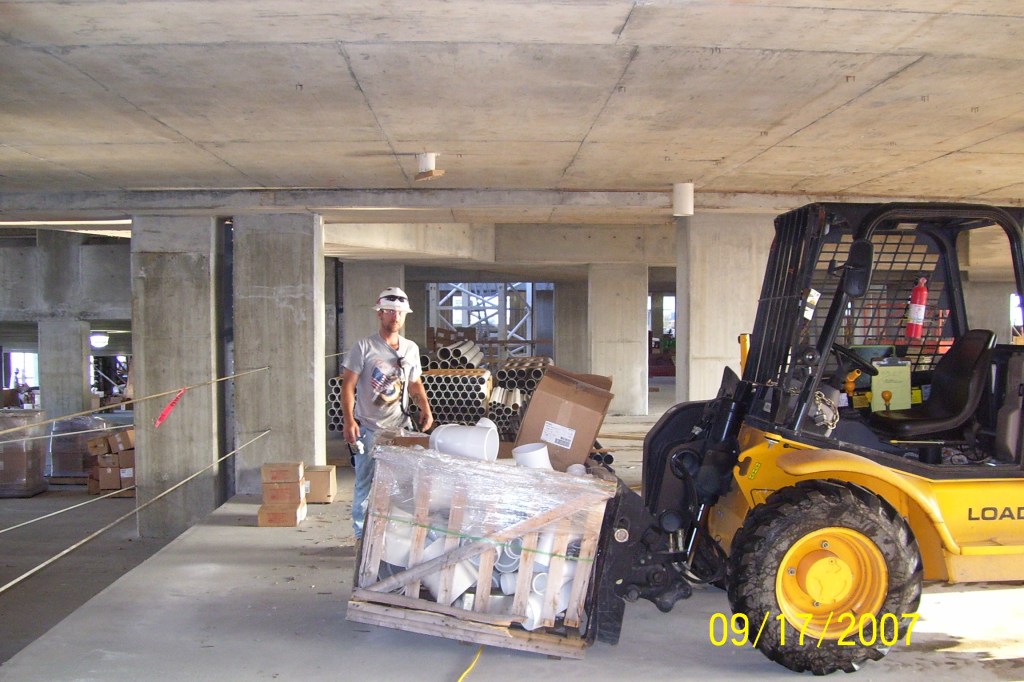
Shawn Wadleigh took care of handling material deliveries for us. He was also responsible for stocking material on each of the floors. Shawn did a very good job with this.
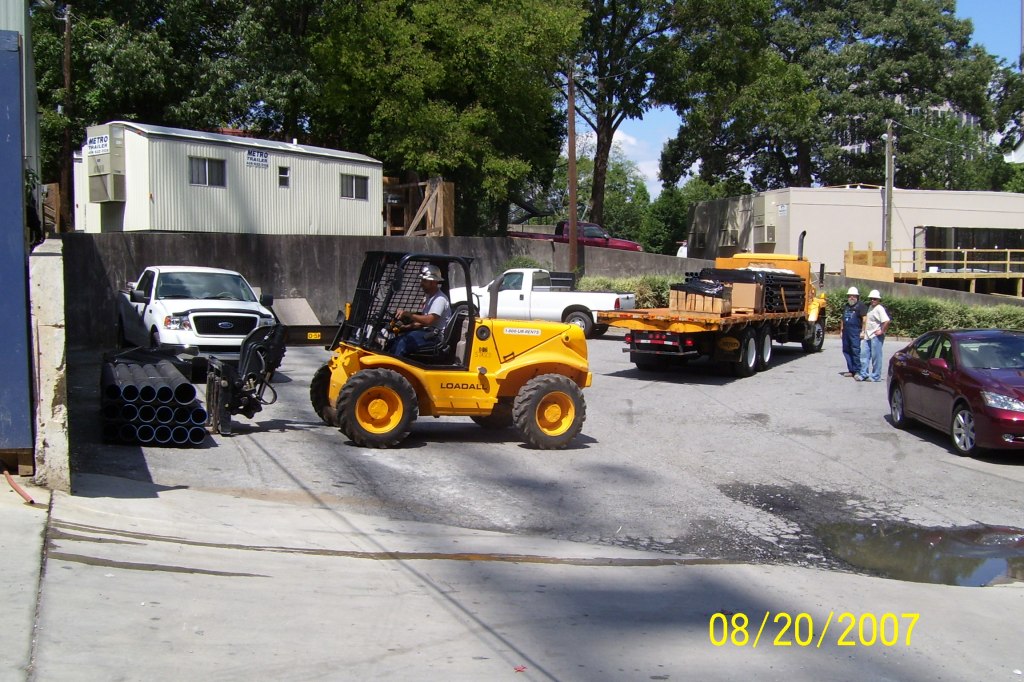
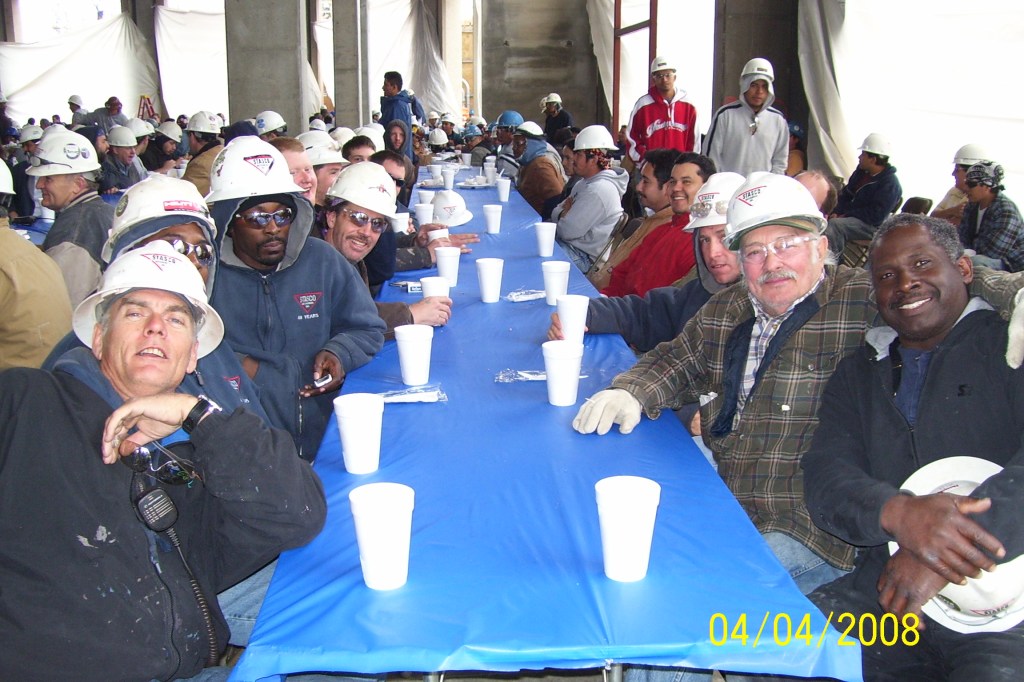
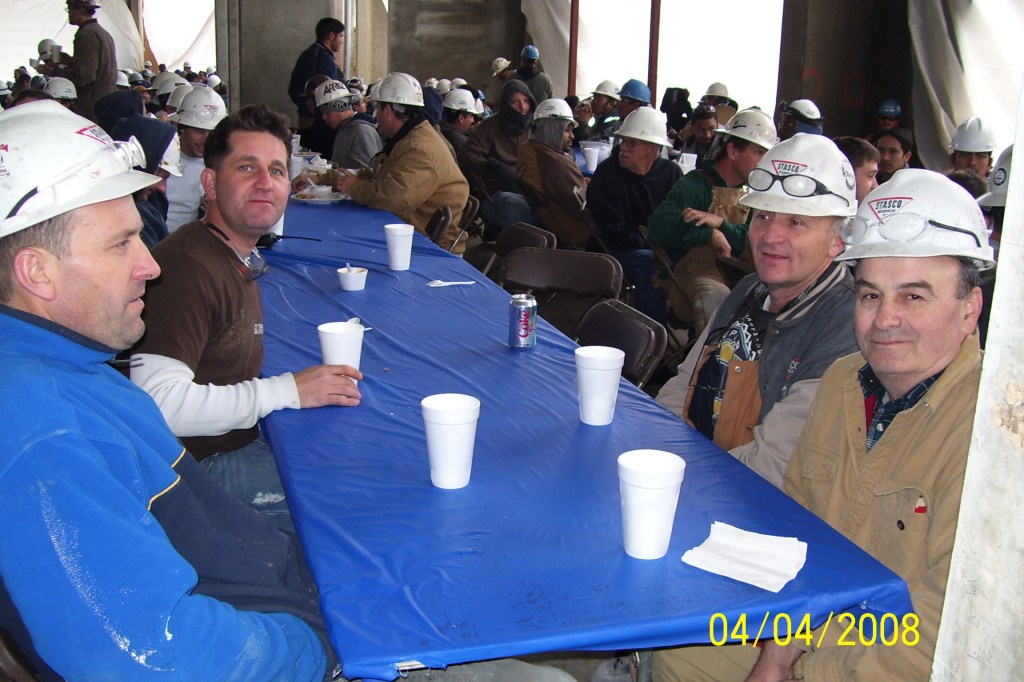
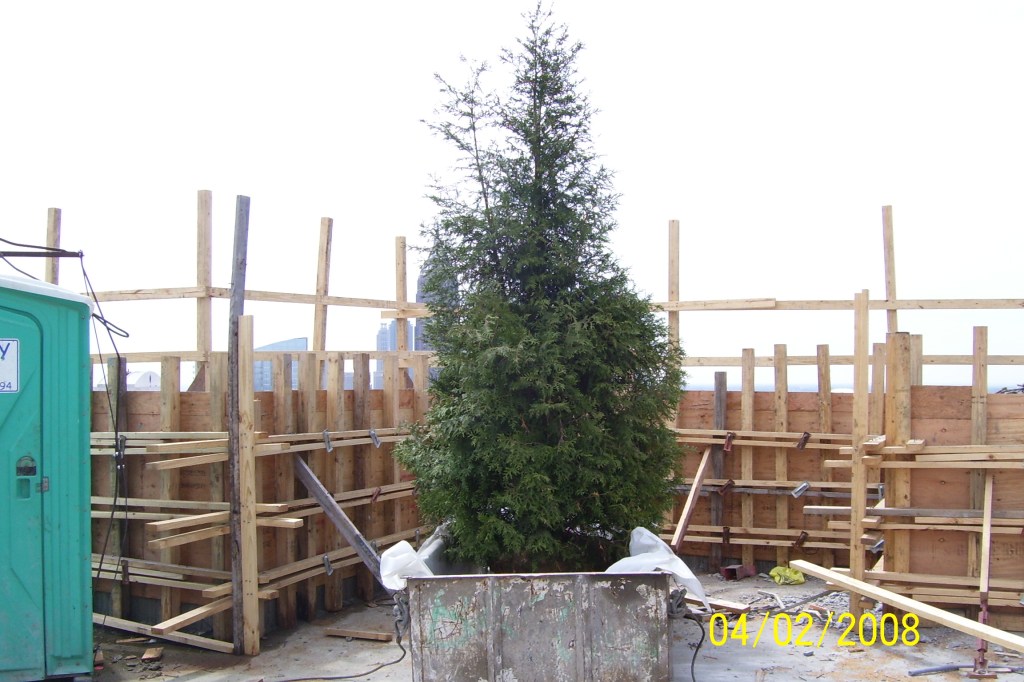
Topping out party:
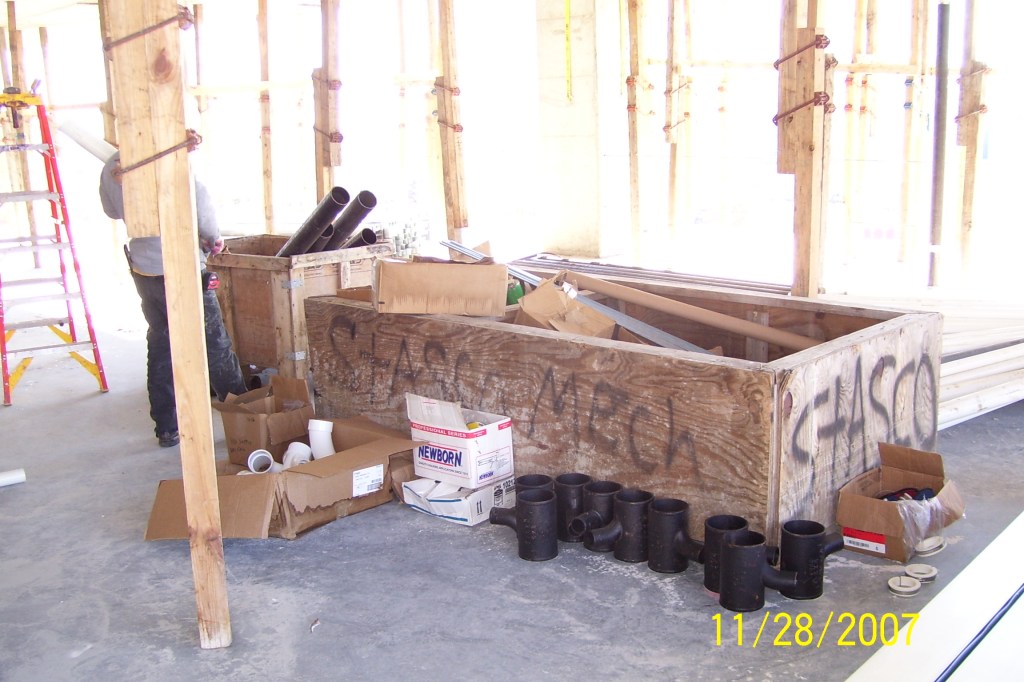
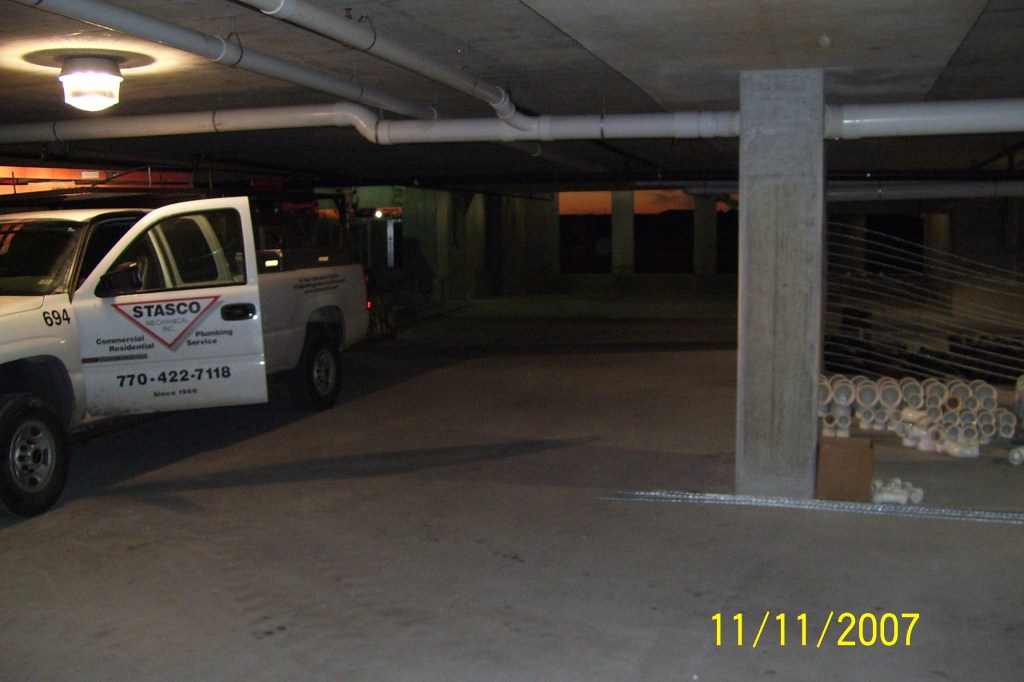
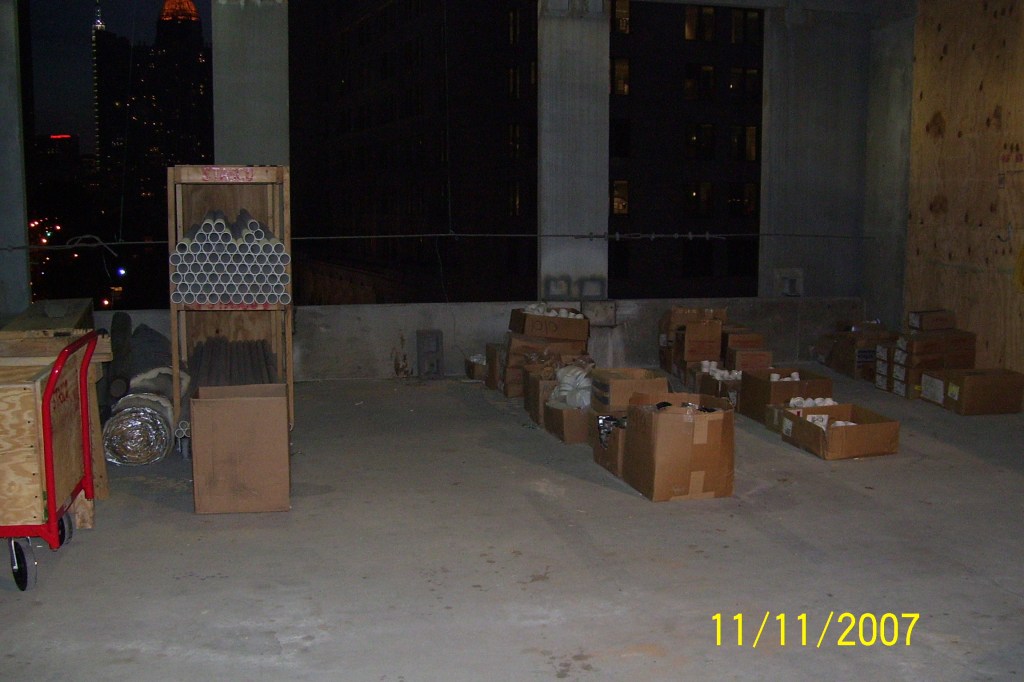
I worked hard to keep everything as organized as I possibly could. I have always believed that this increases productivity and efficiency. I’ve had many experiences of working on other people’s jobs and seeing the lack of material and/or tools slow down or stop production. I try to minimize the time spent looking for tools and material. Through good organization, everybody always knows exactly where everything is at. Plus, it is a lot easier to see when you begin to run low on material. It is easier to keep low-running supplies ordered in a timely fashion.
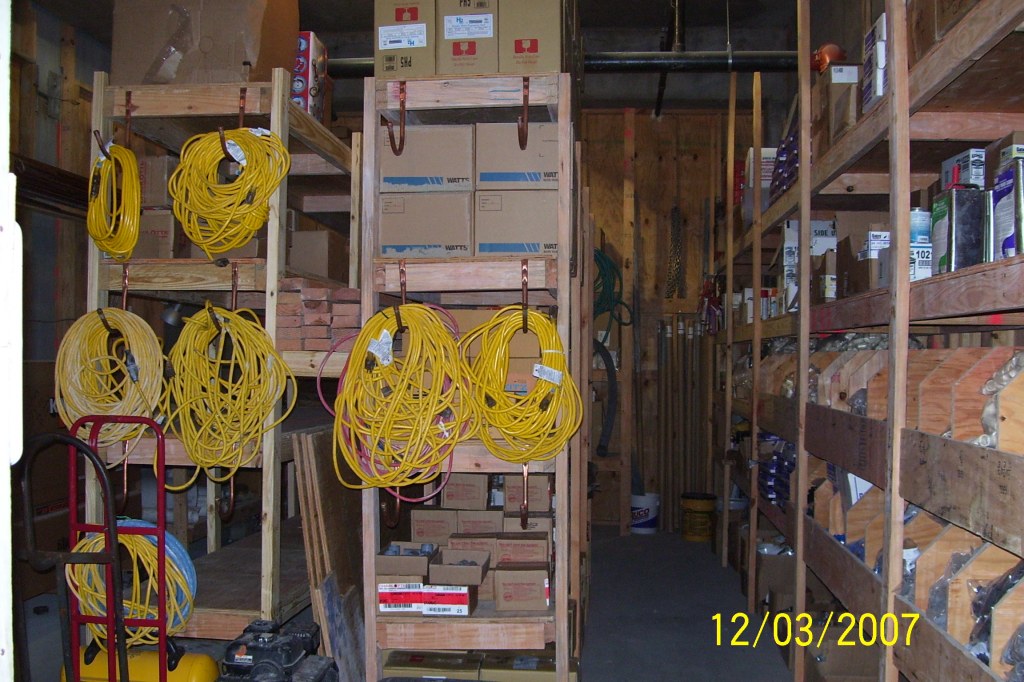
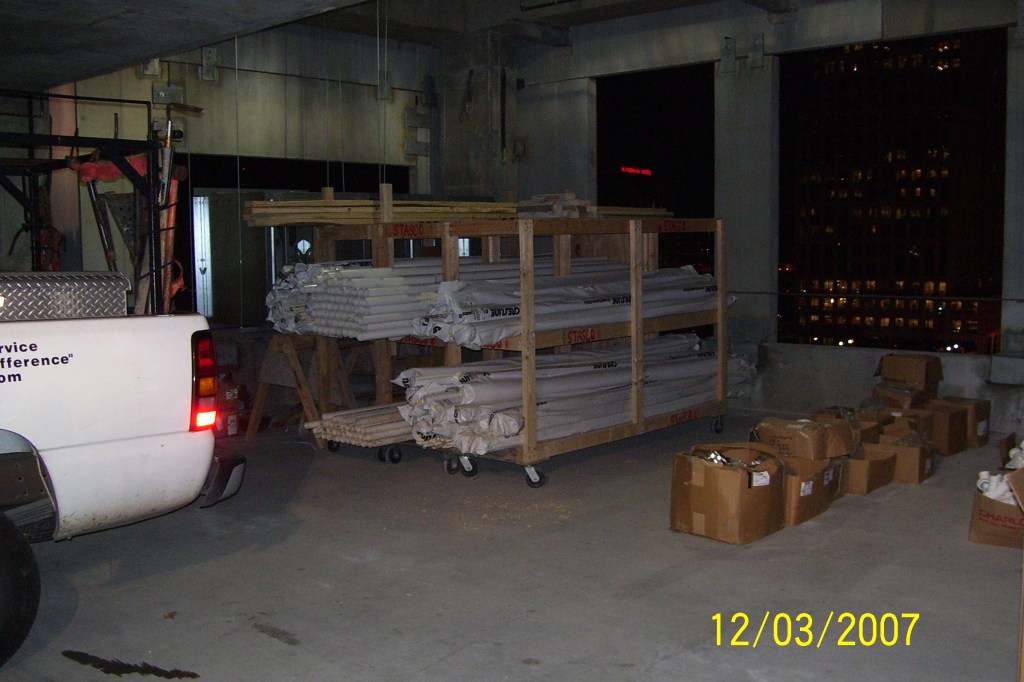
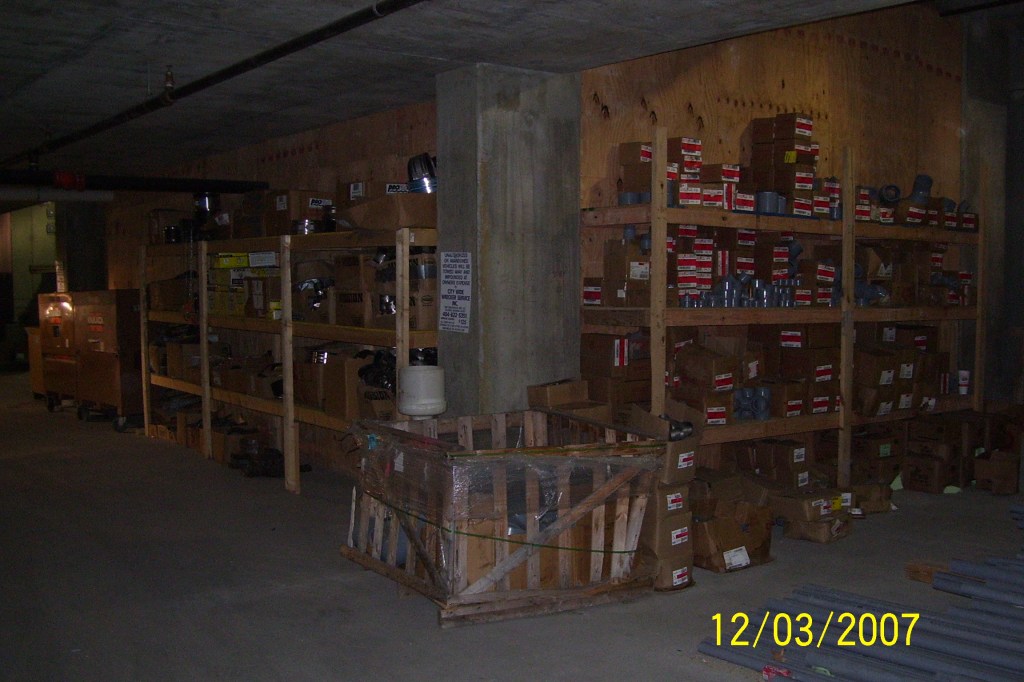
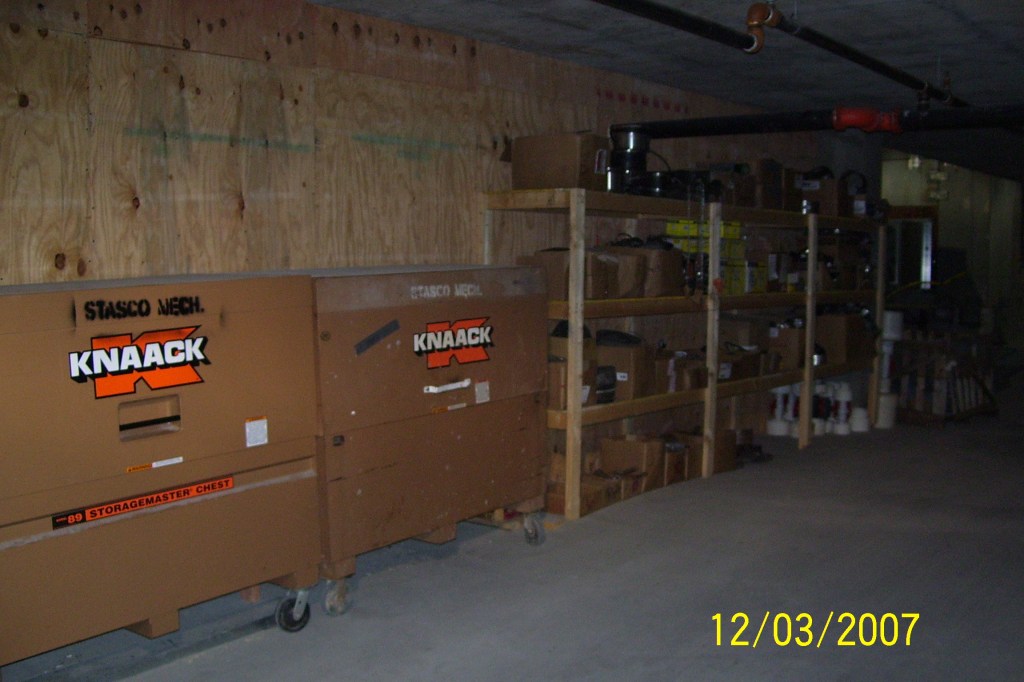
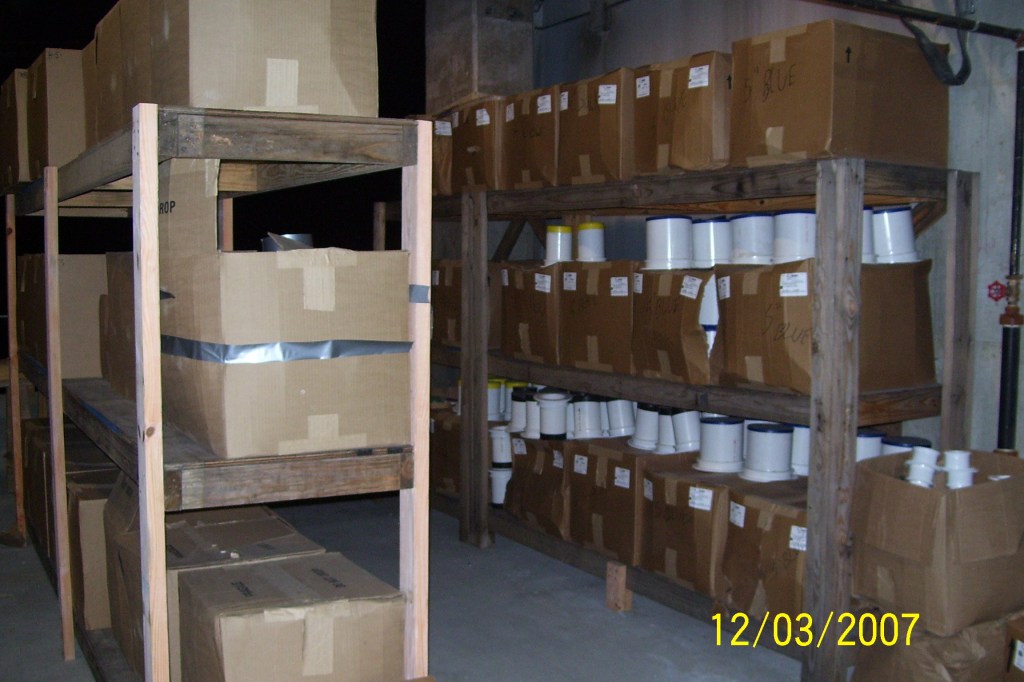
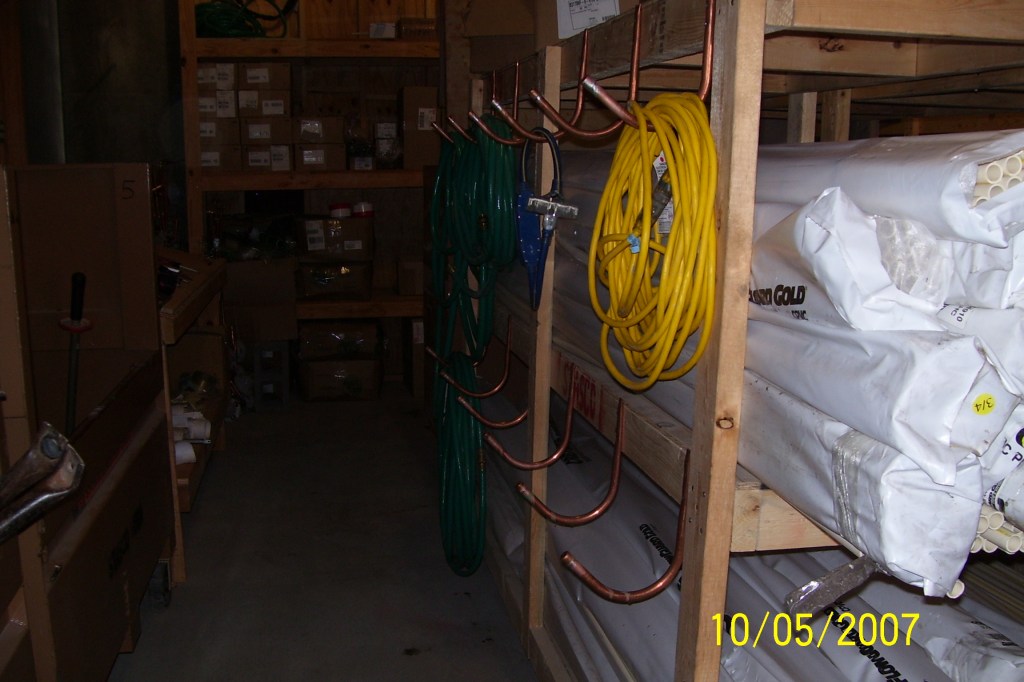
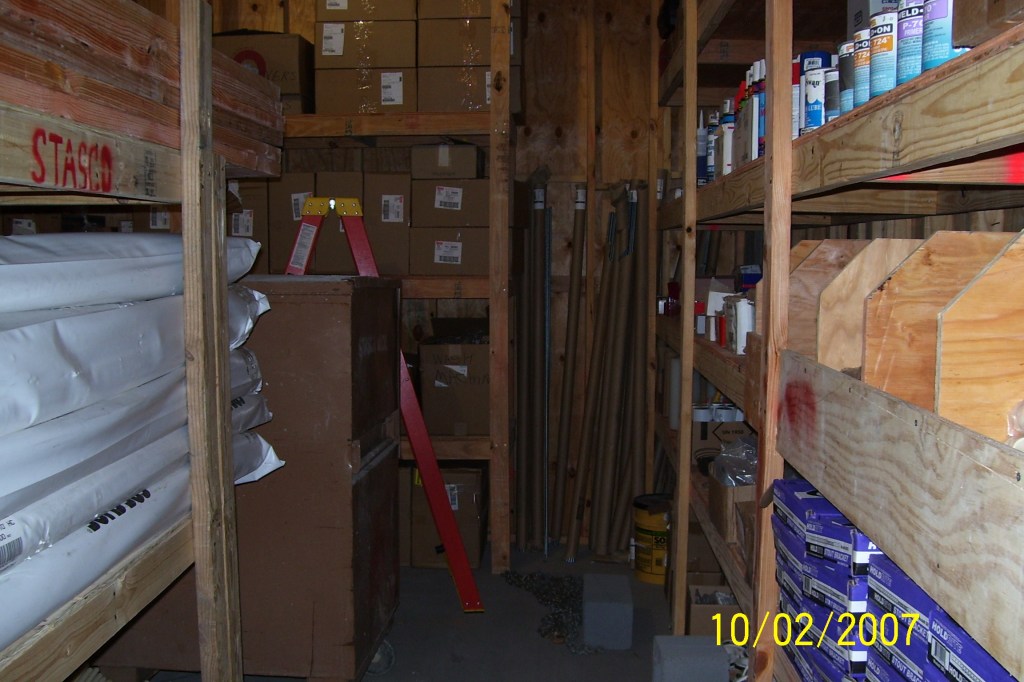
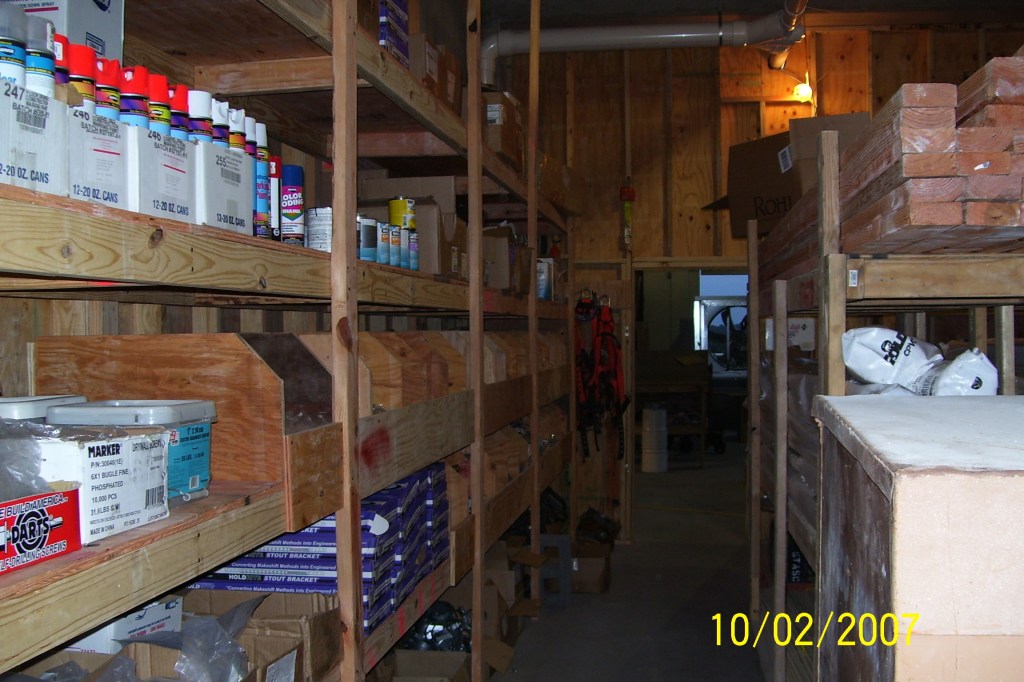
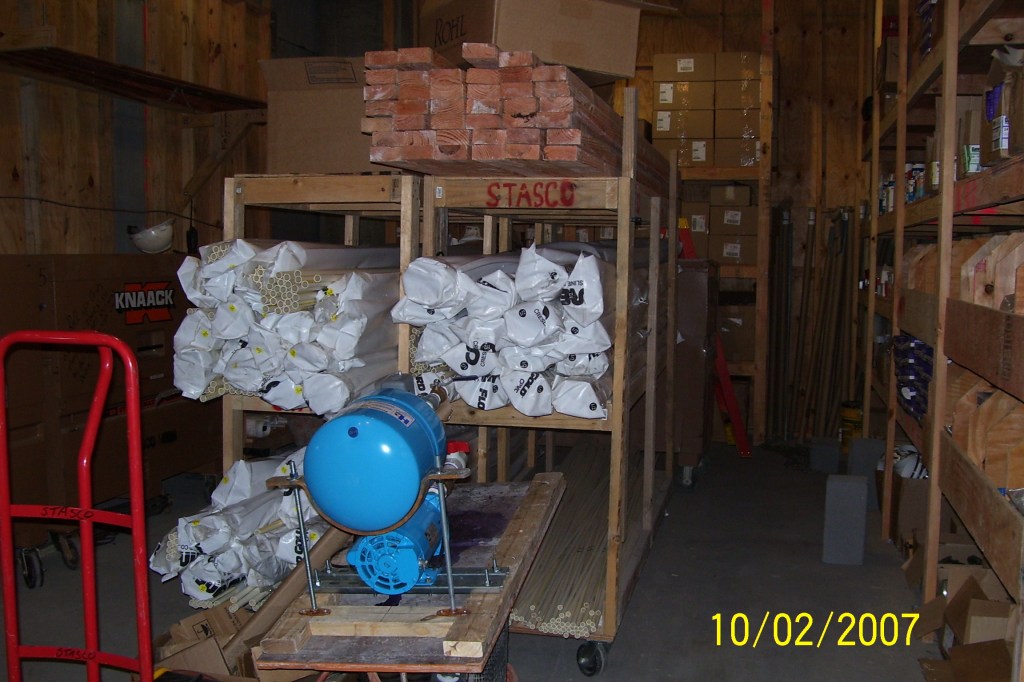
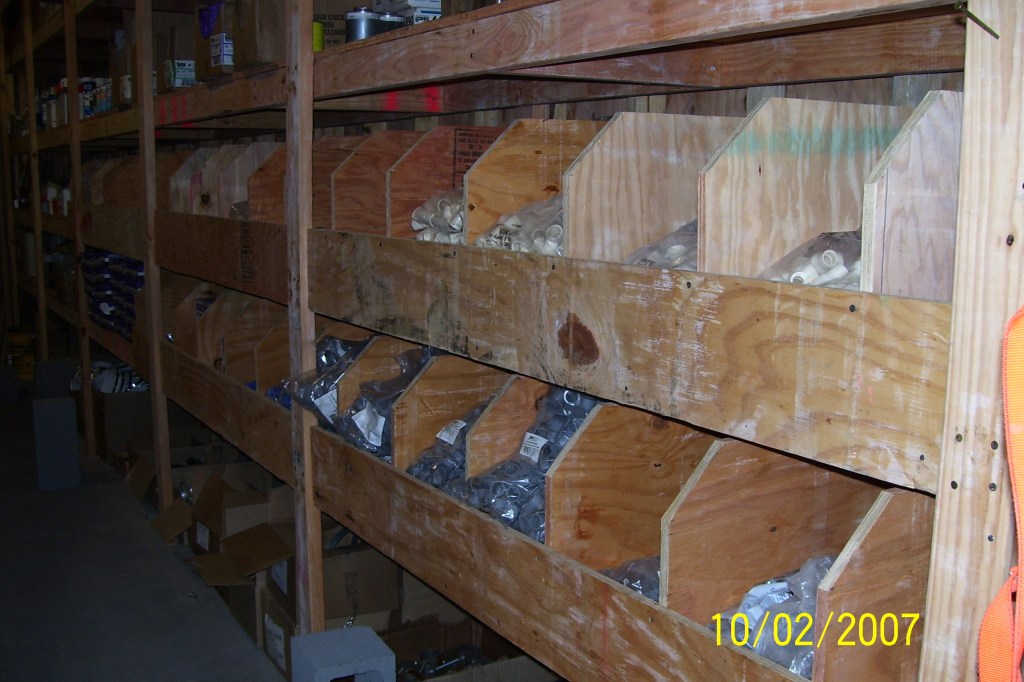
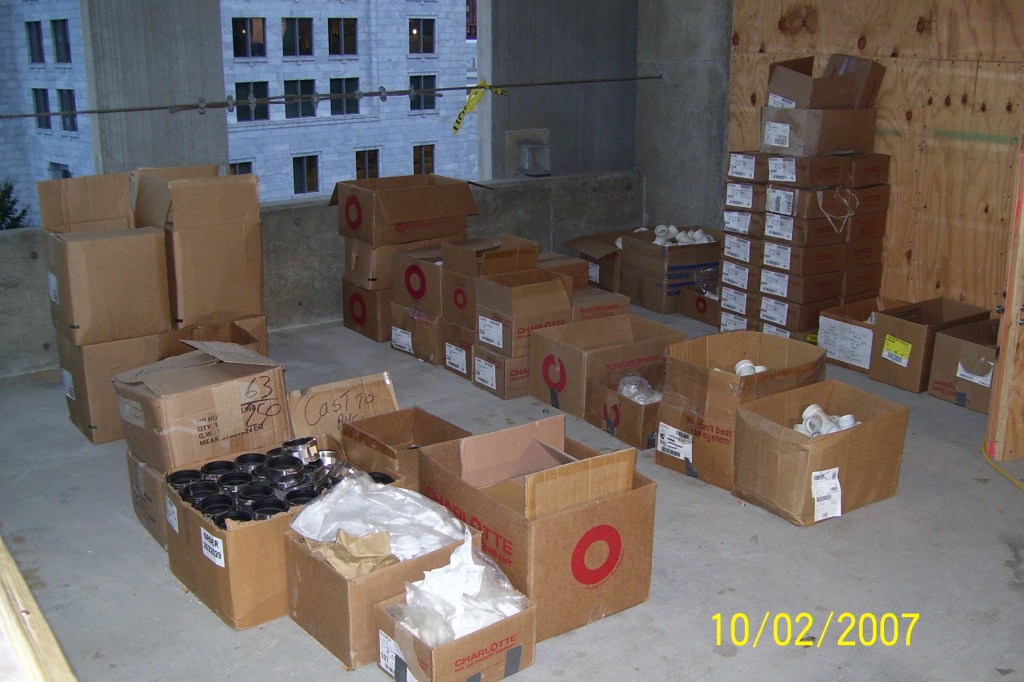
I spent many late nights at work to try to ensure that this project ran smoothly. Our storage room/area was on the 7th floor of the parking deck. I frequently drove up there late in the evening to check supply levels.
Installing the first set of grease traps for the retail spaces.
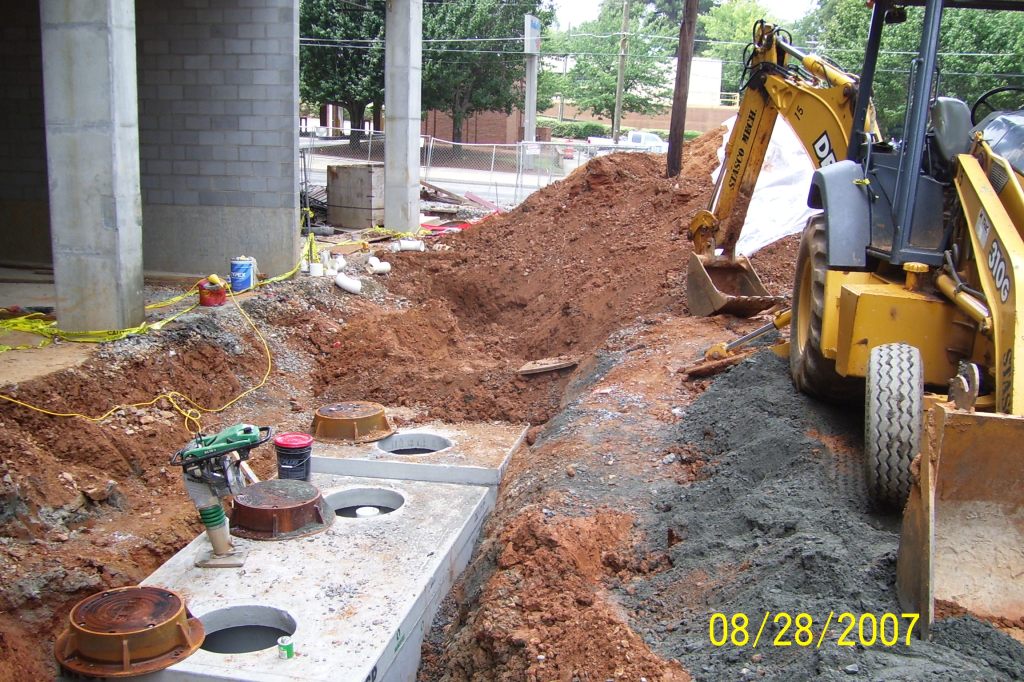
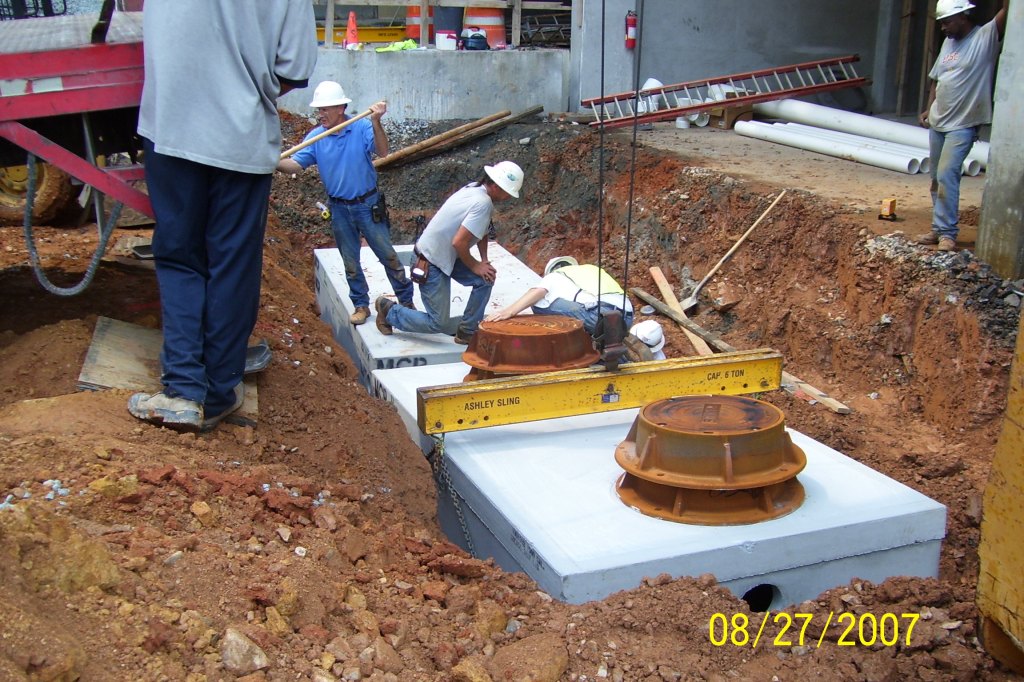
Installing the second set of grease traps for the retails spaces.
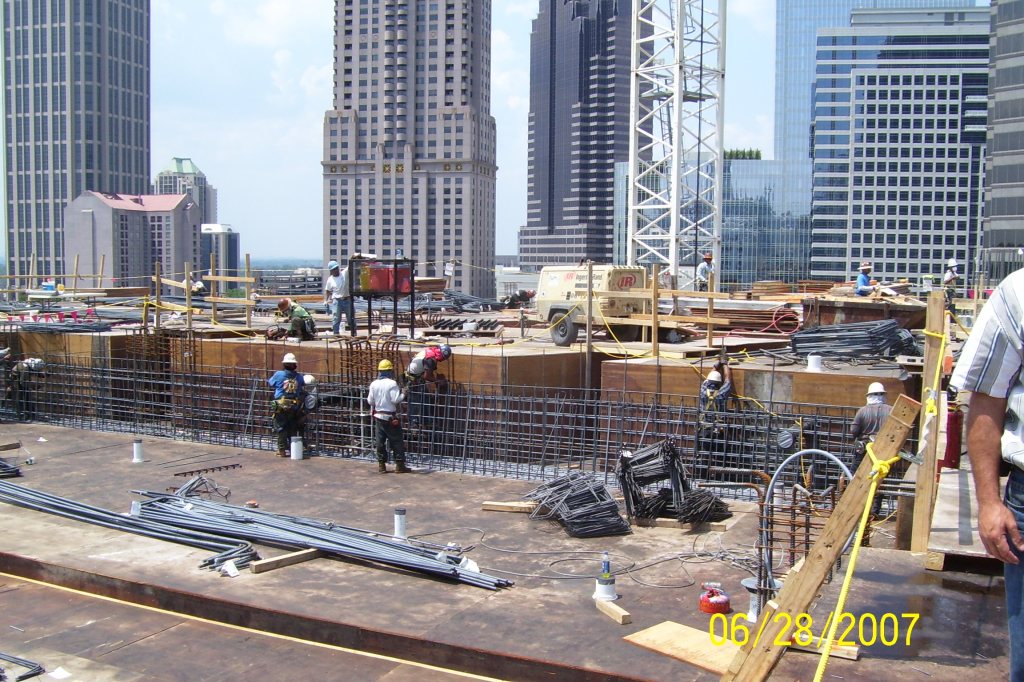
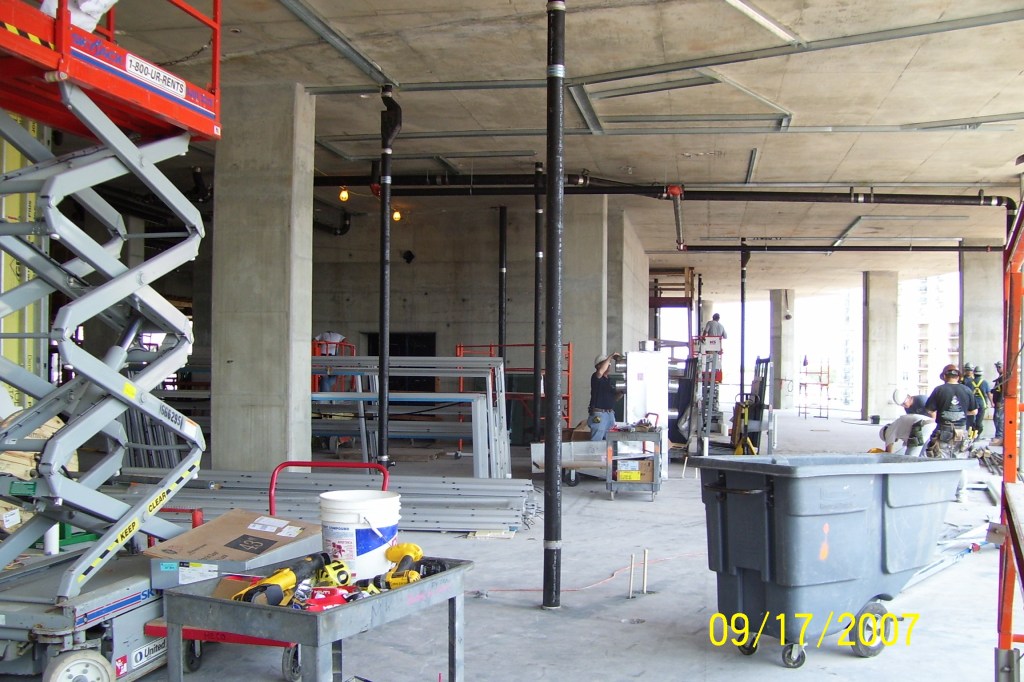
At this point in time, we had all phases of the plumbing installation occurring at the exact same time. We were setting sleeves, running cast iron and PVC drainage pipe, running water mains, doing in-wall rough-in, setting fixtures, and doing underground work simultaneously.
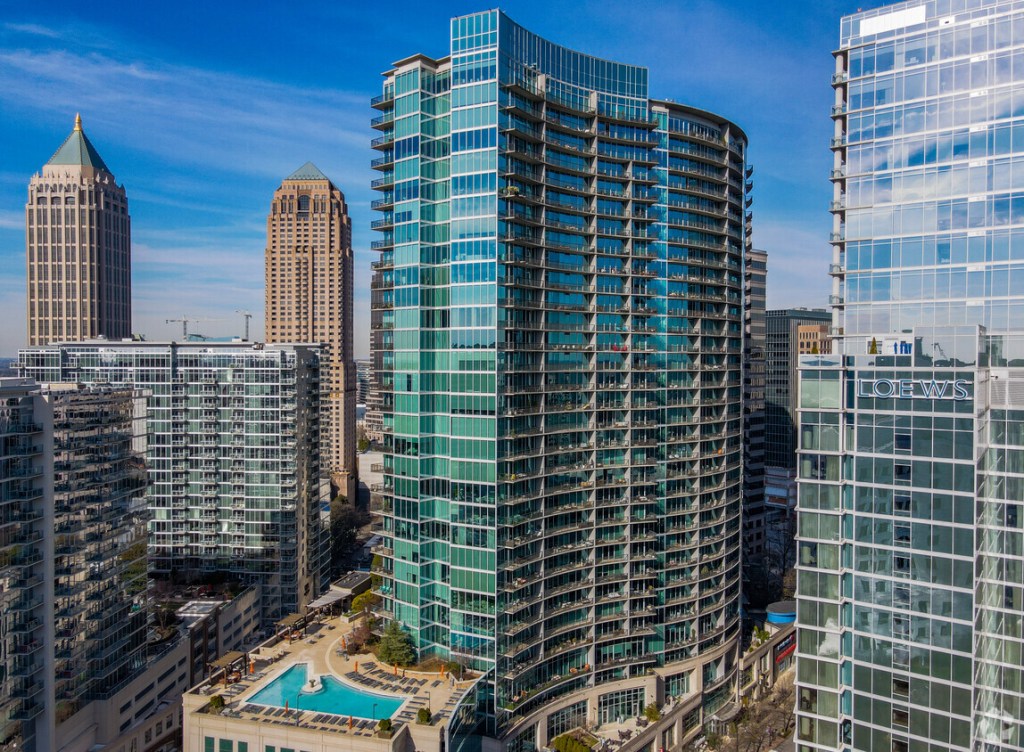
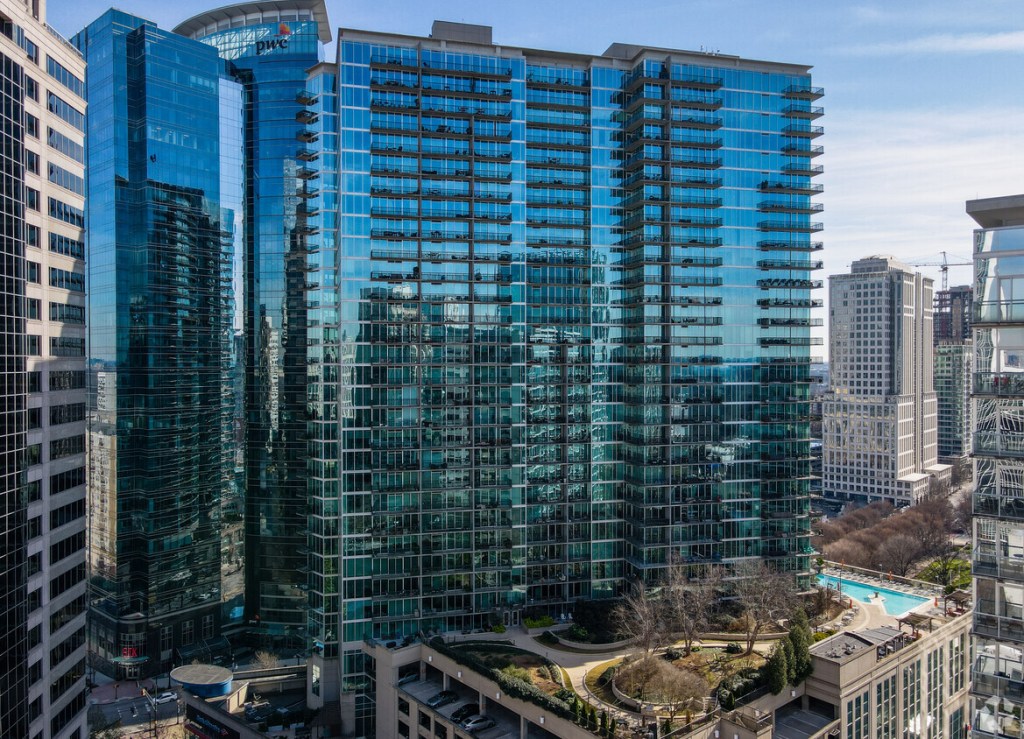
Final product (pictures from the web):

 David Stauffer